Every home chef dreams of that perfect cooking experience – where food glides effortlessly, cleanup is a breeze, and every meal feels like a triumph. Enter the Zwilling Non Stick Pan, a true staple for countless kitchens aiming for culinary excellence and convenience. Combining renowned German engineering with innovative nonstick technology, Zwilling offers a range of pans designed to elevate your everyday cooking. But with so many options, how do you choose the right one, and more importantly, how do you ensure it stands the test of time? This comprehensive guide will navigate you through the world of Zwilling nonstick pans, from their robust construction to essential care tips, ensuring your cooking adventures are always smooth sailing.
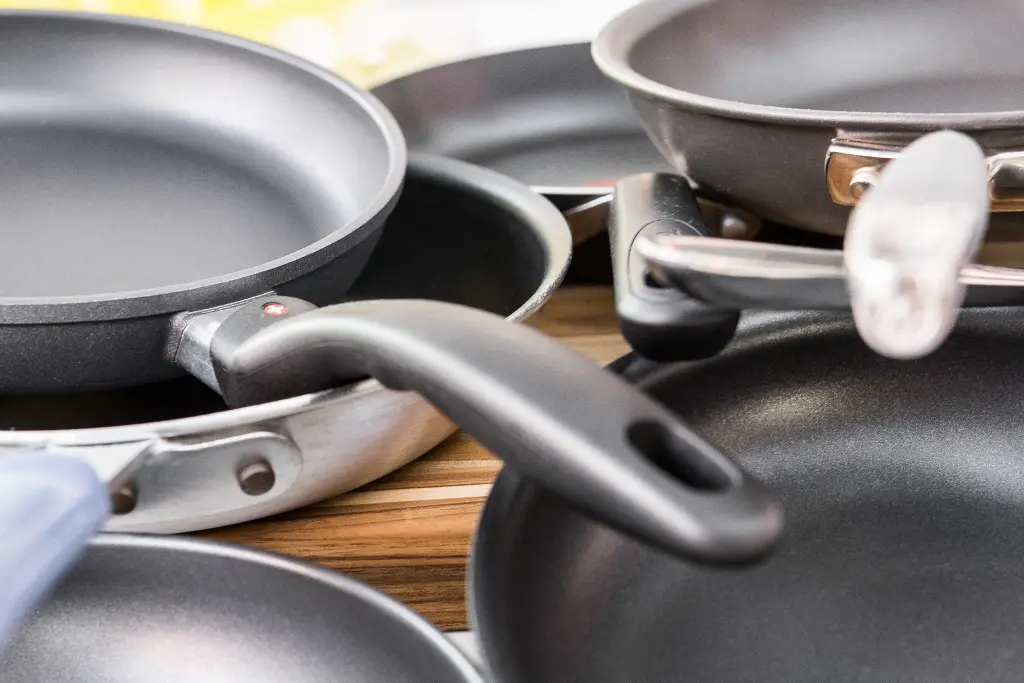
The Evolution of Nonstick Technology: A Zwilling Perspective
The journey of the nonstick pan has been one of continuous innovation, transforming kitchen routines globally. From the earliest applications of PTFE (polytetrafluoroethylene) to today’s advanced coatings, the goal has always been to prevent food from sticking, reducing the need for excessive fats and simplifying cleanup. Zwilling has been at the forefront of this evolution, meticulously developing and refining their nonstick technologies. A key commitment for the brand is ensuring that all their nonstick coatings are PFOA-free, addressing modern health and safety concerns and providing peace of mind for cooks everywhere.
Diving Deep into Zwilling Nonstick Pan Materials and Construction
A zwilling non stick pan isn’t just a pan; it’s a testament to thoughtful design and robust materials. Understanding what goes into these culinary workhorses helps appreciate their performance and longevity.
Forged Aluminum for Superior Heat Distribution
Many Zwilling nonstick pans, such as popular models like the Madura Plus, feature a forged aluminum construction. Aluminum is a fantastic conductor of heat, meaning your pan heats up quickly and, crucially, distributes that heat evenly across the entire cooking surface. This uniform heat eliminates hot spots that can lead to unevenly cooked food, ensuring everything from delicate eggs to sautéed vegetables cooks perfectly every time. This efficient heat distribution also translates to energy savings, as you often don’t need to crank up the heat to achieve desired results.
Stainless Steel Exteriors: Durability Meets Design
While aluminum forms the core for heat performance, some Zwilling nonstick lines, like the Spirit and Clad CFX collections, boast elegant stainless steel exteriors. This not only adds to the pan’s aesthetic appeal, making it a proud display piece in any kitchen, but also enhances durability. Stainless steel provides excellent resilience against warping, scratches, and dings. Furthermore, many stainless steel base Zwilling non stick pan models are induction compatible, broadening their versatility across various stovetop types.
Understanding Zwilling’s Nonstick Coatings: Duraslide vs. Ceramic
Zwilling employs different nonstick coatings, each with its own characteristics:
- Duraslide Granite: Found in lines like the Madura Plus, Duraslide Granite is a multi-layer coating celebrated for its exceptional durability. Zwilling claims it’s up to 40 times more durable than traditional nonstick coatings, thanks to an innovative plasma primer that offers ultimate scratch and abrasion resistance. This coating is designed to withstand rigorous daily use and, in some cases, can even tolerate gentle use of metal utensils, though silicone or wood is generally recommended for maximum longevity.
- Ceramic Nonstick (Ceraforce XTREME): Featured in collections like Spirit and Clad CFX, ceramic nonstick coatings are often praised for their eco-friendly production and initial high scratch and abrasion resistance. They typically perform very well at lower to medium temperatures. However, it’s worth noting that user experiences with ceramic nonstick coatings can vary, with some reporting that their nonstick properties may diminish more quickly over time compared to other advanced coatings if not meticulously cared for. For optimal performance, always adhere strictly to the care instructions for ceramic nonstick.
Regardless of the specific coating, all Zwilling nonstick pans are PFOA-free, ensuring a safer cooking environment for you and your family.
Ergonomics and Oven-Safe Features
Zwilling pays attention to the details, including handle design. Many pans feature ergonomic, stay-cool handles, often made of stainless steel, providing a comfortable and secure grip. Some handles are riveted for classic strength, while others are welded, offering a smooth interior for easier cleaning without food traps.
Oven safety is another crucial consideration. The oven-safe temperature for a zwilling non stick pan varies by model. For instance, the Madura Plus collection is typically oven safe up to 300°F (150°C), making it suitable for finishing dishes or keeping food warm. The Spirit collection generally offers a higher oven safety up to 400°F (200°C), providing more flexibility for oven-to-stove recipes. Always check the specific product specifications for your pan, especially if it has plastic or silicone components on the handle.
Mastering Your Zwilling Nonstick Pan: Usage and Care Essentials
To truly get the most out of your zwilling non stick pan and ensure its nonstick properties last for years, proper usage and diligent care are paramount. Think of it as nurturing a high-performance vehicle; a little attention goes a long way.
First Use and Seasoning
Before its maiden voyage, give your new Zwilling pan a good wash with hot water, a mild dishwashing liquid, and a soft sponge. Dry it thoroughly to prevent any water spots. Unlike cast iron, traditional nonstick pans don’t require seasoning in the same way, but some chefs like to lightly coat the surface with a small amount of cooking oil before the first use and gently heat it to create an initial protective layer.
Optimal Cooking Temperatures and Utensils
The golden rule for nonstick pans is “low to medium heat.” Nonstick coatings are designed to work efficiently at these temperatures. Using high heat can not only degrade the nonstick coating over time but also potentially damage the pan’s base. For high-heat searing, it’s best to use an uncoated stainless steel or cast-iron pan.
When it comes to utensils, stick to wood, silicone, or heat-resistant plastic. While Duraslide Granite offers enhanced scratch resistance, it’s always safer to avoid metal utensils to preserve the coating’s integrity and extend the life of your pan. As Dr. Elara Vance, a renowned Culinary Material Scientist, advises, “Treat your nonstick pan gently, and it will repay you with years of effortless cooking. Aggressive tools are the enemy of longevity for any coated surface.”
The Golden Rules of Cleaning and Maintenance
This is where the true longevity of your zwilling non stick pan is determined.
- Cool Down First: Always allow your pan to cool completely before washing it. Sudden temperature changes (thermal shock) can warp the pan or damage the nonstick coating.
- Hand Washing is King: While many Zwilling nonstick pans are labeled as “dishwasher-safe,” hand washing is strongly recommended for preserving the nonstick coating. Use warm water, a small amount of liquid dishwashing detergent, and a soft sponge or cloth. The nonstick surface makes cleanup incredibly easy, often requiring just a quick wipe.
- Dishwasher Use (If Necessary): If you must use a dishwasher, opt for a liquid dishwasher detergent and a low-temperature cycle. Avoid harsh powders or gels, which can be abrasive. Be aware that regular dishwasher use can, over time, lead to discoloration of the exterior or a gradual reduction in the nonstick coating’s lifespan.
- Avoid Harsh Cleaners: Steer clear of abrasive cleaning agents, steel wool, scouring pads, or oven cleaners, as these will scratch and damage the nonstick surface beyond repair.
- Say No to Oil Sprays: Many aerosol cooking sprays can leave a sticky residue that builds up over time and is difficult to remove, creating a film that causes food to stick. If you need oil, pour a small amount of liquid oil directly into the pan.
- Stubborn Residue? Try This Trick: For any burnt-on bits that seem reluctant to leave, mix water and vinegar in a 3:1 ratio in the pan, bring it to a gentle boil for a few minutes, then let it cool. The encrusted areas will often loosen, making them easy to remove with a soft cloth or wooden scraper.
Zwilling Nonstick Pans in Action: Best Dishes and What to Avoid
A zwilling non stick pan excels at specific culinary tasks, making certain dishes a joy to prepare. Knowing its strengths also means understanding its limitations.
Ideal Culinary Creations
Your Zwilling nonstick pan is your best friend for:
- Eggs Galore: Whether you prefer fluffy scrambled eggs, perfectly fried eggs with crispy edges, or delicate omelets, the nonstick surface ensures they slide right off onto your plate without a struggle.
- Pancakes and French Toast: Achieve beautifully golden and evenly cooked pancakes and French toast without any sticking, making breakfast a breeze.
- Delicate Proteins: Fish fillets, tofu, and other fragile ingredients that tend to break apart or stick to regular pans cook beautifully, maintaining their integrity.
- Sautéed Vegetables: Quickly sautéing vegetables to a tender-crisp perfection with minimal oil is effortless.
- Stir-fries: For medium-heat stir-fries, a nonstick pan prevents ingredients from sticking and makes tossing a joy.
When to Reach for Another Pan
While incredibly versatile, there are times when your zwilling non stick pan should stay in the cabinet:
- High-Heat Searing: For achieving a deep, crusty sear on steaks, chicken breasts, or other meats, the high temperatures required can damage the nonstick coating. Opt for a stainless steel or cast-iron skillet for these tasks.
- Deglazing: The process of deglazing, where you scrape up flavorful browned bits from the bottom of a pan, is not recommended for nonstick surfaces as it can damage the coating.
- Long-Term Storage of Acidic Foods: While generally safe for cooking, avoid storing highly acidic foods like tomato sauce or citrus-based dishes in your nonstick pan for extended periods, as this can potentially affect the coating over time.
Benefits and Health Considerations: Why Choose a Zwilling Nonstick?
Investing in a quality zwilling non stick pan brings a multitude of advantages to your kitchen.
Healthier Cooking with Less Oil
One of the most significant benefits is the ability to cook with significantly less oil or butter. This is a game-changer for health-conscious individuals, allowing you to reduce fat intake without sacrificing flavor or the satisfaction of a perfectly cooked meal.
Convenience and Time-Saving
The effortless food release and quick cleanup are unparalleled. No more scrubbing burnt-on messes or struggling to dislodge delicate foods. A swift rinse and wipe are often all it takes, saving you precious time and effort in the kitchen. This convenience encourages more home cooking, making healthy eating more accessible.
Peace of Mind with PFOA-Free Coatings
Zwilling’s commitment to PFOA-free coatings means you can cook with confidence, knowing that your cookware meets modern safety standards. This focus on healthy materials aligns with contemporary culinary practices, where both taste and well-being are prioritized.
Common Questions About Zwilling Nonstick Pans
You’ve got questions, we’ve got answers! Here are some frequently asked questions about Zwilling nonstick pans:
- Are Zwilling nonstick pans PFOA-free?
Yes, all Zwilling nonstick pans are manufactured without PFOA, ensuring a safer cooking experience for your family. - Can I use metal utensils on my Zwilling nonstick pan?
While some advanced coatings like Duraslide Granite offer enhanced scratch resistance, it is generally recommended to use wooden, silicone, or plastic utensils to prolong the life of any nonstick coating. - How long do Zwilling nonstick pans last?
The longevity of your Zwilling nonstick pan depends heavily on proper care and usage. With diligent adherence to care instructions, many users report several years of excellent performance, though ceramic coatings might show wear sooner than multi-layer PTFE-based ones. - What’s the best way to clean a Zwilling nonstick pan?
The best way is to hand wash the pan with warm water, a soft sponge, and a mild liquid dishwashing detergent after it has completely cooled down. - Can Zwilling nonstick pans go in the oven?
Yes, many Zwilling nonstick pans are oven-safe, but the maximum temperature varies by model. For instance, Madura Plus is often safe up to 300°F (150°C), while Spirit can go up to 400°F (200°C). Always check your specific pan’s guidelines. - Why is food sticking to my Zwilling nonstick pan?
Common reasons include using high heat, residue buildup from oil sprays or improper cleaning, or normal wear and tear of the nonstick coating over time. Ensure you’re following care instructions carefully.
Conclusion
The zwilling non stick pan is an indispensable ally in any kitchen, blending German precision with innovative nonstick technology to deliver a superior cooking experience. From their robust construction featuring forged aluminum and durable coatings like Duraslide Granite to their ergonomic design, these pans are built for performance. By understanding the nuances of their materials, adhering to proper usage guidelines, and committing to simple care routines, you can significantly extend the life and maintain the exceptional performance of your Zwilling nonstick pan. Embrace the joy of effortless cooking and easy cleanup, and let your Zwilling pan inspire countless delicious meals to come.