In the vibrant world of culinary arts, a reliable nonstick frying pan isn’t just a convenience; it’s a cornerstone for effortless cooking and simpler cleanup. While countless brands vie for a spot on your stovetop, Tramontina Nonstick frying pans have quietly, yet confidently, carved out a significant niche, earning a reputation for balancing quality, performance, and value. For anyone serious about elevating their home cooking without breaking the bank, understanding what makes a Tramontina nonstick pan tick is crucial. As ADB Review, your trusted source for kitchen wisdom, we’re here to guide you through everything you need to know about these everyday kitchen heroes.
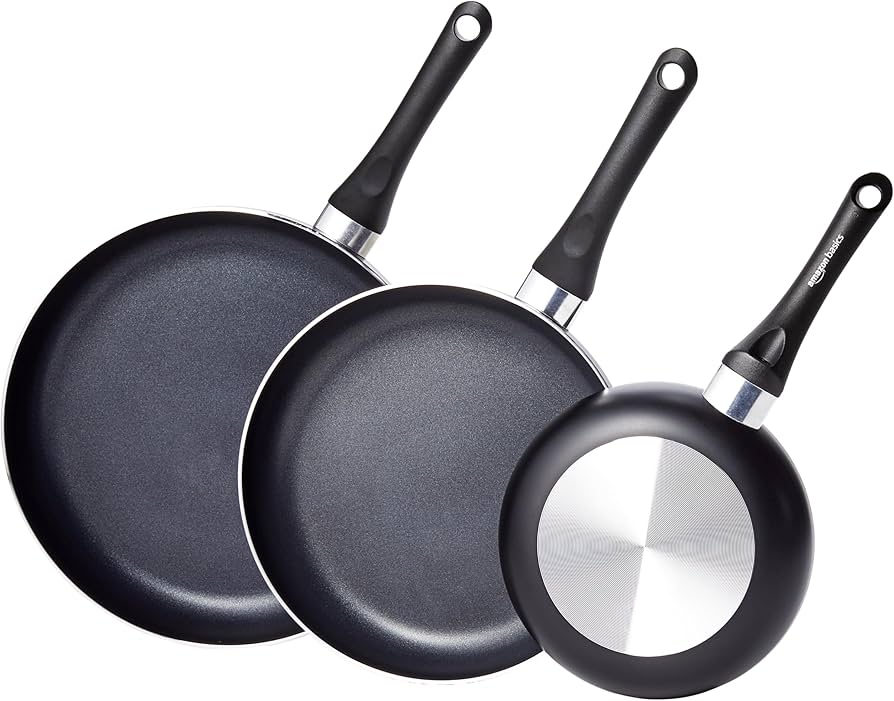
The Legacy of Nonstick: A Brief History and Tramontina’s Place
The concept of nonstick cookware revolutionized kitchens, freeing home cooks and professional chefs alike from the frustration of stuck-on food. What began with basic polytetrafluoroethylene (PTFE) coatings has evolved significantly, driven by innovation and a growing awareness of health and environmental concerns. Tramontina, a brand with a rich heritage in manufacturing high-quality household goods, has been a key player in this evolution, consistently integrating advanced nonstick technologies into its diverse range of cookware. Their commitment lies in offering solutions that perform reliably, are built to last, and cater to the varied demands of modern cooking, from the busiest family kitchens to the most delicate culinary endeavors.
What Makes a Tramontina Nonstick Pan Shine? Materials and Construction
At the heart of every excellent frying pan lies its construction, and Tramontina nonstick pans are a testament to thoughtful engineering. Most Tramontina nonstick pans feature heavy-gauge aluminum bodies. This material is a chef’s favorite for good reason: aluminum heats up rapidly and distributes heat exceptionally evenly across the cooking surface. This means fewer hot spots, leading to more consistent cooking results, whether you’re scrambling eggs or searing delicate fish. The responsiveness of aluminum also allows for quick temperature adjustments, giving you greater control over your cooking.
Beyond the core material, the nonstick coating itself is paramount. Tramontina often employs reinforced nonstick coatings designed for enhanced durability and superior food release. Many of their modern lines, particularly their ceramic nonstick options, are proudly PFOA-free, PTFE-free, and PFAS-free, offering peace of mind for health-conscious cooks. This advancement ensures you can enjoy the benefits of nonstick cooking without worrying about undesirable chemicals.
Consider the handles: an often-overlooked but critical component. Tramontina offers various handle designs, including ergonomic, silicone-wrapped handles that provide a comfortable, secure grip and stay cool on the stovetop. Some professional lines feature sturdy cast stainless steel handles, riveted for strength, though these can get hot and may require an oven mitt. A standout feature in some Tramontina Fusion pans is the rivet-free interior, which eliminates those hard-to-clean crevices where food can get trapped, making cleanup even more of a breeze.
|
Our Picks for the Best Nonstick Frying Pan in 2026
As an Amazon Associate I earn from qualifying purchases.
|
||
| Num | Product | Action |
|---|---|---|
| 1 | Bionic Turtle Design Nonstick Ceramic Frying Pan (2.5 qt, 10.3\"), Non Toxic,PFAS & PFOA Free, Dishwasher Safe, Compatible with All Stovetops, Durable Cookware for Home Cooking |

|
| 2 | Tramontina Professional 10-Inch Non Stick Frying Pan, Heavy-Gauge Aluminum Skillet with Reinforced Nonstick Coating, Red Handle, Dishwasher and Oven Safe |
|
| 3 | Amazon Basics Ceramic Nonstick Pots and Pans Cookware Set, Dishwasher & Oven Safe, Even Heating, 10-Piece Set, Copper Color |
|
| 4 | Amazon Basics Non Stick Kitchen Cookware 15-Piece Set, Non-Induction, Includes Pots, Pans, and Utensils, Black |
|
| 5 | CAROTE Nonstick Frying Pan Skillet,Non Stick Granite Fry Pan Egg Pan Omelet Pans, Stone Cookware Chef\'s Pan, PFOA Free,Induction Compatible(Classic Granite, 8-Inch) |
|
| 6 | Tramontina Professional 12-Inch Non Stick Large Frying Pan, Heavy-Gauge Aluminum Skillet with Reinforced Nonstick Coating, Red Handle, Dishwasher and Oven Safe |
|
| 7 | SENSARTE Nonstick Frying Pan Skillet with Lid, 12 Inch Large Deep Frying Pan, 5 Qt Non Stick Saute Pan with Cover, Induction Pan, Healthy Non Toxic Cooking Pan with Helper Handle, PFOA PFOS Free |
|
| 8 | SENSARTE Nonstick Frying Pan Skillet, Swiss Granite Coating Omelette Pan, Healthy Stone Cookware Chef\'s Pan, PFOA Free (8/9.5/10/11/12.5 Inch) (9.5 Inch) |
|
| 9 | Starfrit The Rock 2-PC 9.5\" (24cm) and 8\" (20cm) Non-Stick Fry Pans - Durable Forged Aluminum - Oven Safe - PFOA Free - Easy to Clean - Black |
|
| 10 | Amazon Basics Non Stick Kitchen Cookware 8-Piece Set, Non-Induction, Includes Pots and Pans, Black |
|
For those with induction cooktops, compatibility is key. Many Tramontina nonstick pans are designed with a magnetic stainless steel base, making them induction-ready and versatile for use across various heat sources, including gas, electric, and ceramic glass stoves. Always double-check the product specifications to ensure your chosen pan matches your cooktop.
“The true brilliance of a nonstick pan, particularly one from a brand like Tramontina, lies in its material synergy,” explains Chef Antoine Dubois, a renowned culinary instructor. “The careful balance of a heat-responsive base, a robust nonstick layer, and a thoughtfully designed handle culminates in a tool that genuinely enhances the cooking experience for all skill levels.”
First Use and Beyond: Proper Seasoning for Your Tramontina Pan
Even with advanced nonstick coatings, proper initial seasoning can make a significant difference in performance and longevity. Think of it as preparing the canvas before you paint.
Here’s a simple, step-by-step guide to seasoning your Tramontina nonstick pan before its first use, and periodically thereafter:
- Clean Thoroughly: Begin by hand-washing the pan with warm, soapy water to remove any manufacturing residues, then rinse and dry it completely.
- Apply Oil: Lightly rub a thin layer of cooking oil (such as vegetable, canola, or grapeseed oil) onto the entire interior surface of the pan. Avoid using nonstick aerosol cooking sprays, as they can build up and leave a sticky residue that degrades the nonstick surface over time.
- Heat Gently: Place the pan over medium heat on your stovetop for approximately two to three minutes. This gentle heat helps the oil bond with the nonstick coating, creating a more robust surface.
- Cool Down: Turn off the heat and allow the pan to cool completely.
- Final Wash: Once cool, hand-wash the pan again with warm, soapy water, rinse, and dry thoroughly.
You don’t need to repeat this process every time you cook, but re-seasoning your Tramontina nonstick pan occasionally can help revitalize its performance and extend its nonstick life.
Longevity in Every Meal: Essential Use and Care Tips
The longevity of your Tramontina nonstick pan largely depends on how you use and care for it. Adhering to a few simple guidelines can significantly extend its lifespan and keep it performing like new.
Heat Management is Key
Nonstick coatings are not designed for extremely high temperatures. Cooking with low to medium heat is crucial for preserving the nonstick surface. Excessive heat can cause the coating to break down, leading to flaking, loss of nonstick properties, and even potential release of fumes (though modern PFOA-free coatings are much safer). Tramontina nonstick pans are highly efficient at distributing heat, so you typically don’t need to crank up the dial to achieve excellent cooking results.
The Right Tools for the Job
Always reach for utensils made from silicone, nylon, bamboo, or wood when cooking with your Tramontina nonstick pan. Metal utensils, no matter how carefully used, can scratch and damage the nonstick coating, leading to premature wear. A simple switch in your tool choice can make a world of difference.
Cleaning Your Tramontina Nonstick Pan
One of the greatest joys of a Tramontina nonstick pan is its easy cleanup. For everyday cleaning, simply wash the pan by hand with warm, soapy water and a soft sponge or cloth. While many Tramontina nonstick pans are technically dishwasher-safe, handwashing is generally recommended to optimize the life, performance, and beauty of both the interior and exterior finishes.
Should you encounter burnt grease or stubborn food residue, warm water and a mild detergent usually suffice. For more extreme cases, a thorough cleaning with a product like Soft Scrub® can be effective, but always avoid abrasive cleaners, steel wool, or coarse scouring pads, as these can severely damage the nonstick surface. Remember to allow the pan to cool completely before washing it to prevent warping from sudden temperature changes.
Storage Smarts
Even when clean, improper storage can lead to damage. To prevent scratches and dings, avoid stacking other pots and pans directly inside your Tramontina nonstick pan without a protective barrier. Consider using pan protectors, dish towels, or even a paper plate between stacked pans. Hanging your pans is another excellent way to protect the cooking surface.
“Consistent care isn’t just about cleanliness; it’s about respecting your cookware,” advises Dr. Elena Petrova, a food scientist specializing in cookware materials. “Using the correct heat, appropriate utensils, and gentle cleaning methods ensures your Tramontina nonstick pan remains a reliable asset in your kitchen for years, preventing premature wear and maintaining its integrity.”
Health & Happiness: Benefits and Considerations of Tramontina Nonstick
Choosing a Tramontina nonstick pan brings a host of benefits that contribute to both culinary enjoyment and healthier living. The most immediate advantage is the ability to cook with significantly less oil or butter. This reduction in added fats not only makes your meals lighter but also allows the natural flavors of your ingredients to shine through.
For those concerned about chemical exposure, Tramontina’s move towards PFOA-free coatings and the availability of their PFAS/PTFE/PFOA-free ceramic nonstick lines offer immense peace of mind. These modern formulations provide the excellent nonstick performance you expect without the concerns associated with older chemical compounds.
The effortless food release and subsequent easy cleanup are perhaps the most celebrated features. Imagine perfectly flipped omelets gliding onto your plate, or sticky sauces wiping away with minimal effort. This makes cooking more enjoyable and significantly cuts down on post-meal chore time.
However, it’s also important to have realistic expectations regarding durability. While Tramontina nonstick pans are generally well-regarded for their quality, all nonstick coatings have a finite lifespan. Some users have reported concerns about the nonstick coating showing signs of wear or scratching over time, particularly with heavy use or if care instructions aren’t strictly followed. It’s crucial to follow the care guidelines diligently to maximize your pan’s life and understand that nonstick pans are, to some extent, consumable items that may eventually need replacement.
Culinary Companions: Foods That Love (and Don’t Love) Nonstick Pans
Understanding which foods thrive in a Tramontina nonstick pan and which might be better suited for other cookware will help you make the most of your kitchen tools.
Perfect Pairings
Tramontina nonstick pans are absolute champions for delicate foods that tend to stick. They excel at:
- Eggs: Whether scrambled, fried, or transformed into a fluffy omelet, eggs slide out effortlessly.
- Pancakes and Crepes: Achieving perfectly golden, evenly cooked pancakes and thin, delicate crepes is a breeze.
- Delicate Fish: Fish fillets, which often stick and break apart in other pans, cook beautifully in a nonstick skillet.
- Stir-fries and Sautéed Vegetables: The even heat and nonstick surface make quick work of stir-frying, preventing vegetables from clinging to the bottom.
- Reheating Leftovers: Warming up saucy pasta or last night’s stir-fry without worrying about it sticking is a great convenience.
When to Reach for Another Pan
While incredibly versatile, nonstick pans aren’t always the best choice for every culinary task:
- High-Heat Searing for BROWNING: For achieving a deep, crusty sear on steaks, chops, or other meats where a rich “fond” (the browned bits that stick to the bottom and form the base for sauces) is desired, a stainless steel or cast iron pan is generally preferred. While some Tramontina nonstick pans can handle searing well and are oven-safe up to 350-400°F, they might not produce the same level of browning or fond as other materials.
- Deglazing: The nonstick surface prevents food particles from sticking, which means there’s no fond to deglaze for pan sauces. For dishes that rely on this technique, another pan type is more suitable.
- Long-Simmering Acidic Foods: While generally safe, cooking highly acidic foods (like tomato sauces) for extended periods in any nonstick pan can, over a very long time, potentially accelerate the breakdown of the coating.
Frequently Asked Questions About Tramontina Nonstick Pans
Q1: Are Tramontina nonstick pans safe?
A: Yes, modern Tramontina nonstick pans, especially those labeled as PFOA-free and their ceramic nonstick options, are considered safe for cooking. Many ceramic lines are also PFAS/PTFE-free, offering a healthy and worry-free cooking experience.
Q2: Can I put my Tramontina nonstick pan in the oven?
A: Many Tramontina nonstick pans are oven-safe, but the maximum temperature varies by specific model. Most are safe up to 350°F (176°C) or even 400°F (204°C). Always check the product’s instruction manual or product page for the exact oven-safe temperature limit of your specific pan.
Q3: How often should I re-season my nonstick pan?
A: You don’t need to re-season your Tramontina nonstick pan after every use. However, re-seasoning periodically – perhaps every few months or if you notice a slight decrease in nonstick performance – can help maintain its properties and extend its lifespan.
Q4: What if my Tramontina nonstick coating starts to peel or scratch?
A: If the nonstick coating starts to peel or scratch, it often indicates wear and tear, which is typically not covered by a lifetime warranty, as one user unfortunately discovered. To minimize this, ensure you are always using low to medium heat, non-metal utensils, and gentle cleaning methods. If significant peeling occurs, it’s generally recommended to replace the pan.
Q5: Are Tramontina nonstick pans induction compatible?
A: Many Tramontina nonstick pans are designed with a magnetic base, making them fully compatible with induction cooktops. However, not all models are. Always verify the induction compatibility specifically for the pan you are considering before purchase.
Elevate Your Cooking with Tramontina
A quality nonstick frying pan is an indispensable tool, simplifying daily cooking and encouraging culinary exploration. Tramontina nonstick pans stand out for their robust construction, efficient heat distribution, and reliable nonstick performance, offering a fantastic balance of features that cater to both novice cooks and seasoned home chefs. By understanding their unique materials and adhering to simple care guidelines, you can ensure your Tramontina nonstick pan remains a cherished and high-performing asset in your kitchen for many meals to come. We at ADB Review hope this guide empowers you to make informed choices and truly master your kitchen with confidence. Explore the possibilities and discover the joy of cooking with a pan that truly delivers.