Stepping into the kitchen, a truly great meal often begins with the right tools. And for many home cooks, few tools are as universally beloved and indispensable as a reliable non stick frying pan. If you’re on the hunt for the best cooking companions, understanding what makes the Top Non Stick Pans truly stand out is key. At ADB Review, we believe everyone deserves cookware that performs beautifully, lasts long, and makes cooking a joy. Forget frustrating stuck-on messes and endless scrubbing; the right non-stick pan can transform your daily cooking routine, whether you’re perfecting a delicate omelet or searing a piece of fish. Let’s dive into the world of non stick and discover your next kitchen hero.
The Evolution of Non-Stick Technology: From Basic to Brilliant
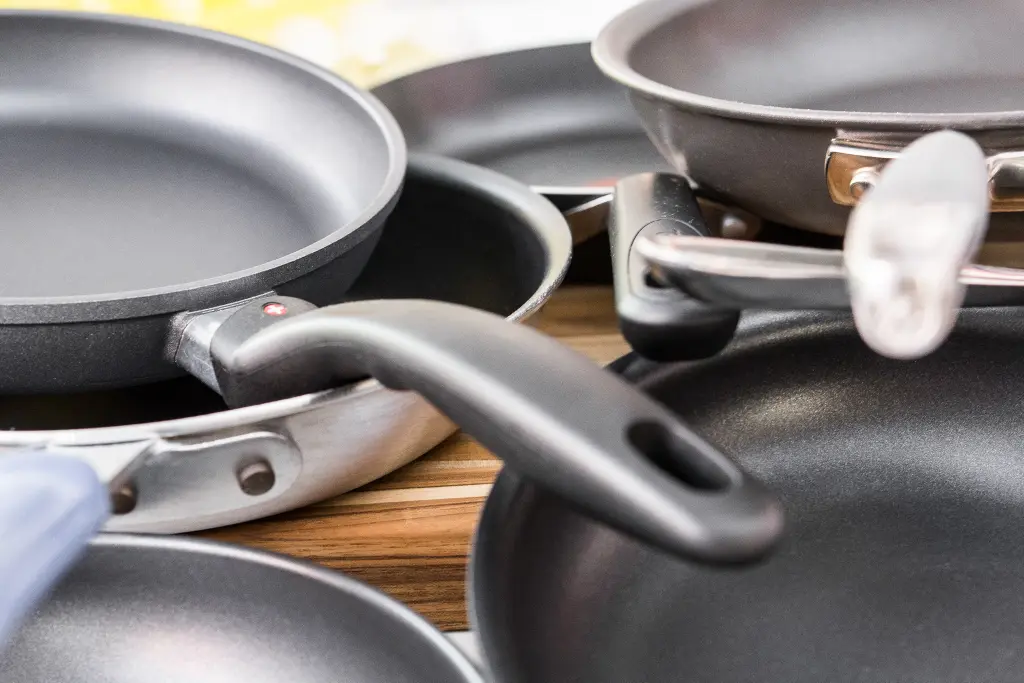
Non-stick technology has come a long way since its inception. What started as a revolutionary coating in the mid-20th century, primarily PTFE (polytetrafluoroethylene), has continuously evolved to offer improved durability, safety, and performance. Early versions were often prone to scratching and required careful handling. However, today’s top non stick pans incorporate advanced multi-layer systems, reinforced particles, and innovative bonding techniques that dramatically enhance their resilience and longevity. This ongoing innovation means consumers now have access to a wider range of high-performance options than ever before, moving beyond basic functionality to deliver truly exceptional cooking experiences.
Decoding Non-Stick Frying Pan Materials and Construction
Understanding what goes into a non-stick frying pan is crucial for making an informed choice. It’s not just about the coating; the entire construction plays a vital role in its performance, durability, and even your health.
The Heart of the Matter: Non-Stick Coatings
The non-stick surface is undoubtedly the star of the show, preventing food from clinging to the pan.
- PTFE (Teflon): This is the classic non-stick coating, renowned for its exceptional food release. Modern PTFE coatings are PFOA-free, addressing past health concerns. They are excellent for delicate foods and require minimal oil.
- Ceramic: These coatings are typically made from inorganic materials, often silicon dioxide-based. They are popular for their “green” marketing, often being free of PFOA and PTFE. Ceramic pans offer good non-stick properties, especially when new, and can withstand higher temperatures than traditional PTFE. However, their non-stick properties can degrade faster if not properly maintained.
- Anodized Aluminum: While not a coating itself, anodized aluminum is a process that hardens aluminum, making it more durable and somewhat naturally non-stick (though often still coated). It’s an excellent base material for many top non stick pans due to its even heat distribution.
- Greblon/QuanTanium/Etc.: Many brands use proprietary names for their multi-layer, reinforced non-stick systems. These often combine various materials to enhance scratch resistance, durability, and food release.
Dr. Eleanor Vance, a Materials Scientist specializing in cookware coatings, notes, “Today’s advanced non-stick formulations are a testament to chemical engineering, designed not just for easy food release, but also for resilience under everyday cooking conditions.”
Underneath It All: Pan Cores
The core material of your pan dictates its heat conductivity and compatibility with various stovetops.
- Aluminum: Lightweight and an excellent heat conductor, aluminum is a common choice. However, it can warp if exposed to extreme temperature changes. Many aluminum non-stick pans feature an encapsulated or induction-compatible base.
- Stainless Steel: Known for its durability and aesthetic appeal, stainless steel itself is not a good heat conductor. Therefore, non-stick stainless steel pans often feature an aluminum core or clad construction to ensure even heating. This combination results in a robust pan with good heat distribution.
- Cast Iron (Enameled or Pre-seasoned): While traditionally requiring seasoning, some cast iron pans come with an enamel coating (which offers some non-stick properties) or are pre-seasoned to create a natural non-stick surface. They offer superior heat retention but are heavy.
Handle with Care: Ergonomics and Oven Safety
Don’t overlook the handle! A comfortable, stay-cool handle is essential for safe and enjoyable cooking. Many top non stick pans feature ergonomic designs made from silicone, phenolic resin, or stainless steel. Pay attention to whether the pan is oven-safe and to what temperature. This versatility allows you to start dishes on the stovetop and finish them in the oven, expanding your culinary possibilities.
Mastering Your Non-Stick Investment: Usage and Care
To ensure your non-stick pan remains one of your top non stick pans for years to come, proper usage and diligent care are paramount. Treating your pan right can significantly extend its lifespan and maintain its exceptional performance.
First Steps: Seasoning Your New Pan (If Applicable)
While most modern non-stick pans come pre-seasoned or don’t require traditional seasoning, some ceramic or hybrid options may benefit from a quick initial seasoning. Always check the manufacturer’s instructions. A typical process involves washing the pan, drying it thoroughly, rubbing a thin layer of cooking oil over the surface, and heating it gently for a few minutes. This can help “cure” the surface.
Gentle Heat, Happy Pan: Cooking Best Practices
- Avoid High Heat: Non-stick coatings perform best on low to medium heat. High heat can damage the coating over time, causing it to break down and lose its non-stick properties.
- Use Appropriate Utensils: Stick to silicone, wooden, or plastic utensils. Metal utensils can scratch and chip the non-stick surface, drastically reducing its effectiveness.
- Mind Your Oils: While non-stick pans require less oil, a little bit can help. Avoid aerosol cooking sprays, as they can leave a sticky residue that builds up and harms the coating.
- Preheating: Preheat your pan for a minute or two on medium heat before adding food. This ensures even cooking and better food release.
Cleanliness is Key: Washing and Storage
- Cool Down Before Cleaning: Never plunge a hot non-stick pan into cold water. The sudden temperature change can cause warping and damage the coating. Let it cool completely.
- Gentle Washing: Use warm, soapy water and a soft sponge or cloth. Abrasive scrubbers and harsh detergents can degrade the non-stick surface.
- Thorough Drying: Dry your pan immediately after washing to prevent water spots and potential mineral buildup.
- Smart Storage: If stacking pans, place a soft cloth or pan protector between your non-stick pans to prevent scratches.
Chef Antoine Dubois, a renowned culinary instructor, emphasizes, “A non-stick pan is a tool for finesse, not brute force. Treat it with respect, and it will reward you with effortlessly cooked meals.”
Top Non Stick Pans: Tips, Tricks, and Health Insights
Beyond basic care, a few clever tips can enhance your experience and keep your non stick pan performing at its peak.
Extending Pan Life: Simple Hacks
- Don’t Overcrowd: Cooking too much food at once can lower the pan’s temperature and lead to steaming rather than searing, potentially causing food to stick.
- Clean Thoroughly, Not Harshly: Ensure you remove all food residue after each use. Even invisible bits can accumulate and compromise the non-stick surface over time.
- Occasional Re-seasoning: For certain non-stick types (especially ceramic or hybrid), a light re-seasoning with oil after several uses can help maintain the non-stick properties.
Non-Stick and Your Health: What You Need to Know
Concerns about chemicals like PFOA (perfluorooctanoic acid) and PFOS (perfluorooctane sulfonate) in non-stick cookware are valid. However, virtually all modern top non stick pans are PFOA and PFOS-free. These substances were historically used in the manufacturing process but have been phased out due to health concerns. When choosing a pan, always look for explicit “PFOA-free” and “PFOS-free” labels for peace of mind. While non-stick coatings are generally safe for cooking, avoid overheating them to extreme temperatures (above 500°F or 260°C), as this can cause fumes.
Maria Chen, a Home Economics Consultant, advises, “For healthy cooking, prioritize PFOA and PFOS-free non-stick pans. Their safety profile today is excellent, provided you use them as directed and avoid extreme overheating.”
Dishes That Shine (and Those That Don’t)
Non-stick pans excel at certain culinary tasks. They are perfect for:
- Delicate foods: Eggs (omelets, scrambled, fried), pancakes, crepes, fish fillets.
- Sticky ingredients: Cheese, stir-fries with sugary sauces.
- Dishes requiring minimal oil: Lightly sautéed vegetables, grilled sandwiches.
However, non-stick pans are generally not ideal for:
- High-heat searing: Achieving a deep, dark crust on steaks or chops is better done in cast iron or stainless steel.
- Deglazing: Scraping up flavorful bits (fond) from the bottom of the pan can damage the non-stick coating.
- Baking with high oven temperatures: Always check the pan’s oven-safe limit.
Your Questions Answered: FAQs About Top Non Stick Pans
We understand you might have lingering questions about selecting and caring for the top non stick pans. Here are some common queries we hear.
How long do top non stick pans typically last?
With proper care, a high-quality non-stick pan can last anywhere from 3 to 5 years, sometimes longer. Its lifespan largely depends on how frequently it’s used and how well it’s maintained, particularly avoiding high heat and metal utensils.
Are ceramic non stick pans truly safer than traditional ones?
Modern traditional non-stick pans (PTFE-based) are PFOA and PFOS-free, making them safe for home use. Ceramic coatings also offer a non-toxic alternative, but their non-stick properties often degrade faster than high-quality PTFE if not meticulously cared for.
Can I use metal utensils on any non stick pan?
No, it’s strongly advised to avoid metal utensils on virtually all non-stick pans, regardless of brand or coating type. Metal can scratch and compromise the non-stick surface, leading to flaking and reduced performance.
What’s the best way to remove burnt-on food from a non stick pan?
If food gets stuck, fill the pan with warm, soapy water and let it soak for 15-20 minutes. Then, gently clean with a soft sponge or cloth. Avoid harsh scrubbing pads or abrasive cleaners that can damage the coating.
Are all non stick pans suitable for induction cooktops?
Not all non-stick pans are induction-compatible. For an induction cooktop, the pan must have a magnetic base. Always check the product specifications for an “induction compatible” label before purchasing.
Conclusion
Choosing from the top non stick pans available today means investing in convenience, efficiency, and a smoother cooking experience. With advancements in materials and construction, these kitchen workhorses have never been better. By understanding the different types of coatings and core materials, and by committing to simple care routines, you can enjoy effortlessly cooked meals and easy clean-up for years to come. At ADB Review, we’re confident that with the right knowledge, you can select the perfect non stick pan that not only meets your culinary needs but also exceeds your expectations. So go ahead, explore the possibilities, and elevate your everyday cooking with a truly exceptional non stick pan!