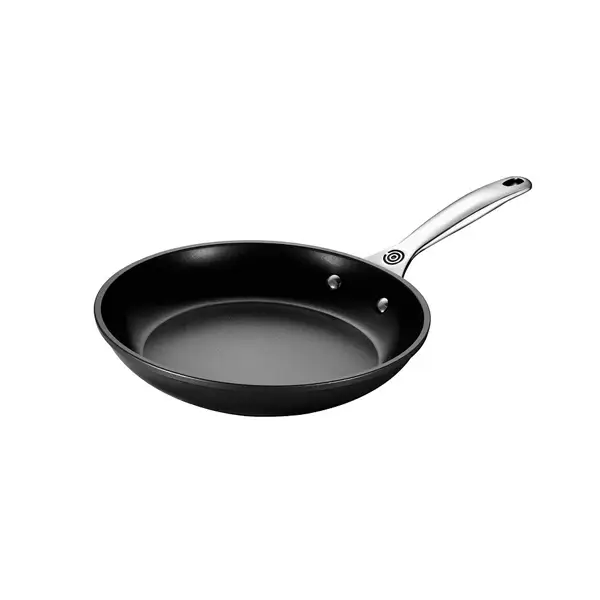
 Ever wondered if cooking could be less about scrubbing and more about savoring? For many of us, the non-stick frying pan is a kitchen superhero, turning tricky dishes into triumphs. And when it comes to non-stick, Tefal has been a name synonymous with innovation and reliable performance for decades. These aren’t just pans; they’re an invitation to healthier, easier cooking, revolutionizing how we approach everything from a quick omelet to a perfectly seared steak. Let’s dive into what makes a Tefal non-stick frying pan a true kitchen essential and how you can get the absolute best out of yours.
The Science Behind the Sizzle: Understanding Tefal’s Non-Stick Technology
A Legacy of Innovation: The Birth of Non-Stick
Imagine a world before non-stick pans. Food sticking, endless scrubbing – it was a different era for home cooks. Tefal changed all that, famously introducing the world’s first non-stick frying pan in 1956. This pioneering spirit continues to drive their commitment to making cooking simpler and more enjoyable for everyone. It’s a legacy built on understanding the needs of home chefs and delivering solutions that truly make a difference.
What Makes it Non-Stick? The PTFE Story
At the heart of a Tefal non-stick frying pan is a remarkable material called Polytetrafluoroethylene, or PTFE. Now, you might hear a lot of chatter about non-stick coatings, but here’s the reassuring truth: health authorities across Europe and the U.S., including EFSA, FDA, and ANSES, have all recognized PTFE as a harmless substance. It’s inert, meaning it won’t react with your food, water, or cleaning products, even if accidentally ingested. In fact, PTFE is so safe that it’s used in medical applications like pacemakers and joint prostheses. For over two decades, Tefal has also guaranteed that their non-stick coatings are PFOA, lead, and cadmium-free, putting your health and safety first.
Beyond the Basics: Exploring Tefal’s Coating Technologies
Tefal doesn’t just offer “non-stick”; they offer a range of advanced coatings designed for varying levels of durability and performance. You’ll find coatings like Titanium Force, Titanium Pro, and the ultra-durable Titanium Excellence, with some claiming to last up to three times longer than standard coatings. These aren’t just fancy names; they represent different levels of reinforcement, ensuring that whether you’re a casual cook or a culinary enthusiast, there’s a Tefal non-stick frying pan engineered to meet your needs and stand the test of time. Some ranges even feature Mineralia stone-effect coatings, enriched with minerals for enhanced resistance and healthy cooking, also being PFOA, lead, and cadmium free.
The Smart Spot: Thermo-Signal™ Technology
One of Tefal’s most clever innovations is the Thermo-Signal™ (formerly Thermo-Spot®) indicator. This little red dot in the center of many Tefal non-stick frying pans is your secret weapon for perfect cooking. When it turns a solid red, your pan has reached the optimal temperature for cooking, typically between 285°F and 380°F. Why is this a game-changer? Hitting the right temperature from the start ensures even cooking, locks in flavors, gives your food a beautiful color, and helps preserve the non-stick coating by preventing overheating. It takes the guesswork out of preheating, making your cooking journey smoother and your results consistently delicious.
Choosing Your Perfect Partner: Finding the Right Tefal Non-Stick Frying Pan
Selecting the right Tefal non-stick frying pan is like finding the perfect dance partner – it needs to match your style and needs.
Size Matters: Matching Pan to Portion
The size of your frying pan plays a huge role in successful cooking. For single servings, an 8.5-inch pan is often ideal, while a 10.5-inch or 11-inch pan is a versatile choice for two to three people, easily handling everything from crispy veggies to larger proteins. For family meals, a 12-inch or 26-28 cm pan offers ample space. Consider what you cook most often and how many people you’re usually feeding to pick the sweet spot.
Hob Compatibility: Induction and Beyond
Not all pans work on all stovetops, but most Tefal non-stick frying pans are designed to be compatible with various hobs, including gas, electric, ceramic, and induction. If you have an induction hob, a quick magnet test is all you need: if a magnet sticks firmly to the bottom of the pan, it’s induction-ready. This ensures you get efficient heat transfer and consistent cooking performance, no matter your kitchen setup.
Handle with Care: Fixed vs. Removable
Tefal offers both fixed and removable handle options. Fixed handles, often made of sturdy stainless steel or stay-cool Bakelite, provide robust and comfortable handling. The Ingenio range, however, features clever detachable handles, offering unparalleled versatility. These allow the pans to go from stove to oven (up to 250°C), then directly into the fridge, and stack neatly for optimal storage. Just remember to remove the handle before oven use or placing it in the dishwasher to prevent overheating and ensure its longevity.
The Art of Care: Maximizing Your Tefal Pan’s Lifespan
A Tefal non-stick frying pan is an investment in easier cooking, and with a little tender loving care, it will serve you faithfully for years.
First Impressions Last: Initial Preparation
Before its maiden voyage, give your new Tefal non-stick frying pan a good wash in hot, soapy water to remove any dust. Dry it thoroughly, then rub a tiny amount of cooking oil into the non-stick coating with a paper towel. This “seasoning” step helps condition the surface and ensures optimal non-stick performance right from the start.
Heat Management: The Golden Rule of Non-Stick
This is crucial: avoid using high heat with your non-stick pan. Cooking at excessively high temperatures doesn’t significantly speed up cooking and can actually damage the non-stick coating over time, leading to discoloration or even warping. Medium to low heat is generally sufficient for most dishes and will extend the life of your pan. Also, steer clear of thermal shock – never put a hot pan under cold water or onto a cold surface, as sudden temperature changes can cause the base to warp and become wobbly, leading to uneven cooking. Always let your pan cool down completely before cleaning.
Gentle Tools, Lasting Results
To prevent scratches and preserve the non-stick coating, always use plastic, silicone, or wooden utensils. While some Tefal ranges might tolerate certain metal utensils (check your specific product’s instructions), it’s always safer to stick to softer options. Avoid knives, forks, and whisks directly in the pan, and never cut food inside it. These small habits make a big difference in preventing wear and tear.
Cleaning Up: Hand Wash for Longevity
For the longest lifespan of your Tefal non-stick frying pan, hand washing is highly recommended. Warm water and mild dish soap with a soft nylon sponge are usually all you need. It’s essential to clean the pan after every use to remove any film of grease or food residue, which can cook on and cause stains or sticking next time. If stubborn food residue occurs, you can boil water and a splash of vinegar in the pan, or create a paste of baking soda and water to gently scrub with a non-abrasive sponge. While some Tefal pans are dishwasher safe, repeated dishwasher use, especially with harsh detergents, can dull the finish and potentially shorten the coating’s life. If you do use a dishwasher, opt for liquid or gel detergents. After washing, re-coat the interior with a little cooking oil from time to time to prevent the non-stick surface from drying out.
Storage Savvy: Protecting Your Investment
Even how you store your Tefal non-stick frying pan matters. To avoid scratches, stack pans with a felt protector or a soft cloth in between. If hanging, ensure they don’t rub against other metal objects. Simple precautions can keep that non-stick surface pristine.
Cooking Smarter: Tips and Tricks for Your Tefal Non-Stick
Oil or No Oil? Finding the Balance
One of the great joys of a Tefal non-stick pan is the ability to cook with little to no oil, making it fantastic for healthier meals. For delicate items like eggs or pancakes, you might not need any oil at all. However, for stir-frying or grilling, a small amount of oil can help extend the life of the coating and achieve that perfect sear. It’s all about balance and personal preference for flavor and texture.
Dishes That Shine: What to Cook
Tefal non-stick frying pans are incredibly versatile. They are perfect for:
- Eggs: Fluffy omelets, sunny-side-up, scrambled – they slide right off!
- Pancakes & Crepes: Golden brown and evenly cooked, every time.
- Delicate Fish: Pan-searing without fear of skin sticking.
- Stir-fries: Vegetables and meats cook beautifully with minimal oil.
- Sautéing: Quick cooking of onions, garlic, and other aromatics.
They excel at everyday meals where easy food release is key.
What to Avoid: Preserving Performance
While versatile, some cooking tasks are best left to other types of pans. Avoid extreme high-heat searing of large cuts of meat, as this can damage the non-stick coating. Also, as mentioned, never use metal utensils or cut food directly in the pan. By understanding these limitations, you’ll ensure your Tefal non-stick pan remains your go-to for its intended purpose.
Health & Safety with Tefal Non-Stick
Dispelling Myths: PFOA, Lead, and Cadmium Free
Tefal has been a leader in reassuring consumers about the safety of non-stick coatings. As a brand, they’ve made a firm commitment for over two decades to not use PFOA, lead, or cadmium in their non-stick coatings. This is regularly verified by independent laboratories, ensuring that your Tefal non-stick frying pan is a safe and reliable choice for your kitchen. You can cook with peace of mind, knowing your cookware adheres to stringent health standards.
When to Say Goodbye: Recognizing Wear
Even the best non-stick pans have a lifespan. While rare under normal use, non-stick coatings can wear off due to repeated overheating, scratching, or abrasive cleaning. If you notice food starting to stick consistently, significant discoloration, deep scratches, or if the pan base becomes wobbly due to warping, it might be time to consider replacing your pan. Taking good care of it will significantly extend its useful life, but recognizing when it’s reached its limit is part of responsible cooking.
FAQ
Can I use metal utensils in my Tefal non-stick pan?
While some newer Tefal ranges might claim compatibility with certain metal utensils (excluding knives and whisks), it’s strongly recommended to use plastic, silicone, or wooden utensils to prolong the life of your non-stick coating and prevent scratches.
Is it safe to cook with a scratched non-stick pan?
Small surface marks or abrasions are generally normal and won’t affect the pan’s performance or safety. However, if the coating is deeply gouged or flaking extensively, it might be best to consider replacing it, primarily for performance rather than health concerns, as PTFE is inert.
How do I know when my Tefal non-stick pan is hot enough?
Many Tefal non-stick frying pans feature the Thermo-Signal™ (formerly Thermo-Spot®) indicator, a red dot in the center that turns solid red when the pan has reached the optimal cooking temperature (between 285°F and 380°F). This is your cue to start cooking for perfect results.
Can I put my Tefal non-stick pan in the dishwasher?
While some Tefal pans are dishwasher safe, hand washing with warm water and a mild detergent using a soft sponge is generally recommended to extend the life of the non-stick coating. If using a dishwasher, choose gentle liquid or gel detergents and avoid harsh tablets.
Why does my non-stick pan sometimes become wobbly?
A pan can warp and become wobbly due to thermal shock, which occurs when an overheated empty pan comes into contact with cold water or a cold surface. Always let your pan cool completely before cleaning to prevent this.
Conclusion
The Tefal non-stick frying pan truly stands as a testament to intelligent kitchen design, offering an exceptional blend of convenience, performance, and health-conscious engineering. From its pioneering origins to innovative features like Thermo-Signal™ and a steadfast commitment to PFOA-free coatings, Tefal has consistently aimed to simplify cooking and elevate your culinary experience. By understanding the science behind these amazing tools and embracing straightforward care practices, you’re not just buying a pan; you’re investing in years of effortless meals, healthier choices, and more joyful moments in the kitchen. So go ahead, embrace the ease of your Tefal non-stick frying pan, experiment with new recipes, and rediscover the sheer pleasure of cooking.