Have you ever found yourself wondering if your trusty non-stick pan is truly as safe as it is convenient? In today’s kitchen, the quest for healthier cooking often starts with the cookware we choose. Moving beyond traditional coatings, the world of Non Stick Pans Without Teflon offers a compelling array of options that promise both performance and peace of mind. As your strategic advisor at ADB Review, we’re here to cut through the confusion and empower you to make informed decisions for your culinary adventures.
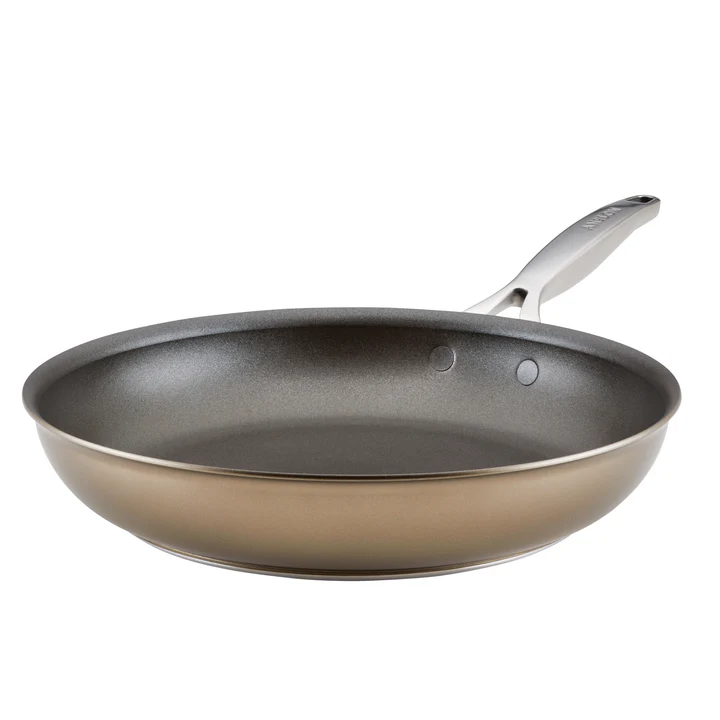
The Non-Stick Revolution: A Look Beyond Traditional Coatings
For decades, Teflon, a brand name for Polytetrafluoroethylene (PTFE), dominated the non-stick market. Its unparalleled slipperiness made flipping pancakes and scrambling eggs a breeze. However, concerns regarding its safety, particularly at high temperatures, have led many home cooks to seek alternatives. While manufacturers largely phased out perfluorooctanoic acid (PFOA) – a chemical previously linked to various health issues – from PTFE production after 2013, the debate continues. Modern PTFE pans are PFOA-free, yet they can still release harmful fumes if overheated above 500°F (260°C), potentially causing flu-like symptoms.
Why Choose Non-Stick Pans Without Teflon?
Choosing non stick pans without teflon is a proactive step towards a healthier kitchen. Beyond the concern of high-heat fume release, these alternatives often boast superior durability and a different manufacturing footprint. For many, it’s about avoiding chemicals like PTFE, PFOA, and increasingly, the broader category of PFAS (per- and polyfluoroalkyl substances) altogether. This choice reflects a desire for cookware that aligns with a holistic approach to wellness, offering a cooking experience free from worry about potential chemical exposure.
Unpacking the Best Non-Stick Materials Beyond Teflon
The good news is that the market is brimming with innovative materials that deliver excellent non-stick performance without relying on Teflon. Let’s explore the leading contenders:
Ceramic Non-Stick: The Modern Contender
Ceramic non-stick cookware has surged in popularity as a primary alternative to traditional PTFE coatings.
What is ceramic non-stick? Unlike plastic-based PTFE, ceramic coatings are typically mineral-based, often derived from sand. These coatings are usually applied over an aluminum or hard-anodized aluminum base. Brands like Caraway, GreenPan, and GreenLife have pioneered this space, offering visually appealing and functionally effective options.
Benefits:
- PTFE, PFOA, & PFAS-Free: A major draw is the absence of these chemicals, addressing health concerns directly.
- Good Non-Stick Properties: They offer excellent food release, making cooking and cleanup notably easier.
- Higher Heat Tolerance: Many ceramic pans can withstand higher oven temperatures (up to 550-600°F) without the risk of toxic fume release associated with overheating traditional non-stick.
- Induction Compatible: A wide range of ceramic non-stick pans feature induction-compatible bases.
- Lighter Weight: Generally lighter than cast iron or carbon steel, making them easier to handle.
Drawbacks:
- Durability Concerns: While effective, ceramic coatings tend to be less durable than PTFE over the long term and can lose their non-stick properties faster. Expect a lifespan of 1-3 years with regular use.
- Prone to Chipping: The coating can be susceptible to chipping if mishandled.
- Requires Careful Heat Management: While tolerant of higher temperatures, extreme or prolonged high heat can still degrade the coating over time, impacting its non-stick performance.
Choosing ceramic non-stick means embracing a slightly different cooking style, prioritizing medium heat and gentle care to extend its life.
The Enduring Strength of Carbon Steel
For those who value longevity and versatility, carbon steel is an exceptional choice among non stick pans without teflon.
What is carbon steel? Essentially a hybrid between cast iron and stainless steel, carbon steel pans are made from a thin sheet of iron and carbon alloy. They are pressed into shape and, like cast iron, develop a natural non-stick surface through a process called seasoning.
Benefits:
- Extremely Durable: With proper care, a carbon steel pan can last a lifetime, even becoming an heirloom.
- High Heat Tolerance: These pans can withstand incredibly high temperatures (up to 1200°F), making them suitable for searing, broiling, grilling, and even campfire cooking. They won’t release toxic fumes.
- Natural Non-Stick: The more you cook and season it, the more non-stick it becomes, creating a naturally slick surface.
- Versatile: Excellent for searing, frying, and oven-to-stove cooking. Induction compatible.
Drawbacks:
- Requires Seasoning & Specific Care: Carbon steel demands regular seasoning and hand washing without harsh soaps to maintain its non-stick layer. Acidic foods can strip the seasoning.
- Not Instantly Non-Stick: Unlike coated pans, it doesn’t offer instant food release from day one; it builds up over time.
- Heavier: While lighter than cast iron, it’s still heavier than typical aluminum non-stick pans.
Made In Carbon Steel is a notable brand in this category, offering pans that excel in performance for dedicated cooks.
Cast Iron: A Timeless Non-Stick Alternative
Often hailed as the workhorse of the kitchen, cast iron offers a robust and dependable non-stick experience without any synthetic coatings.
What is cast iron? Made from molten iron poured into molds, cast iron cookware is heavy and retains heat exceptionally well. Its stick-resistant properties develop through seasoning – essentially baking layers of oil onto the surface to create a natural, polymerised coating.
Benefits:
- Incredibly Durable: Truly built to last generations, cast iron is virtually indestructible.
- Excellent Heat Retention: Once heated, it holds heat remarkably well, making it ideal for searing and even baking.
- Affordable: High-quality cast iron, such as Lodge, is often very budget-friendly.
- Naturally Non-Stick: A well-seasoned cast iron pan can rival the non-stick performance of coated pans.
- Versatile: Oven, broiler, grill, and open flame safe. Naturally induction compatible.
Drawbacks:
- Very Heavy: Its weight can be a deterrent for some, making it less maneuverable.
- Slow to Heat: Due to its density, cast iron takes longer to heat up evenly.
- Requires Diligent Care: Needs regular seasoning and hand washing to prevent rust and maintain its non-stick properties. Rough bottoms can scratch glass stovetops.
As Culinary Strategist Dr. Amelia Chen often advises, “For sheer durability and uncompromising performance, a well-cared-for cast iron skillet is an investment that pays dividends for decades. It’s truly one of the best non stick pans without teflon for those willing to embrace its unique care.”
Mastering Your Non-Stick Pan Without Teflon: Usage & Care Guide
No matter which type of non stick pans without teflon you choose, proper usage and care are paramount to maximizing its performance and longevity.
How to Properly Use Your Non-Teflon Non-Stick Pan?
The key to success often lies in gentle heat and mindful cooking. For ceramic, carbon steel, and cast iron:
- Use Low to Medium Heat: Most non-Teflon non-stick surfaces perform best at medium temperatures. High heat can damage ceramic coatings or strip seasoning from carbon steel and cast iron.
- Preheat Gently: Allow your pan to preheat for a few minutes over low to medium heat before adding food. This ensures even heat distribution and prevents thermal shock.
- Use Appropriate Oils: While many non-stick pans allow for cooking with less oil, always use a small amount of cooking oil or butter. Avoid aerosol cooking sprays, as they can leave a residue that builds up and becomes sticky over time.
Essential Care Tips for Longevity
To ensure your non stick pans without teflon remain in top condition:
- Hand Washing is Best: Always hand wash your non-stick pans. Harsh dishwashers and abrasive detergents can degrade coatings or strip seasoning.
- Avoid Metal Utensils: Stick to silicone, wood, or plastic utensils to prevent scratching the delicate non-stick surface of ceramic pans. For carbon steel and cast iron, while more forgiving, non-metal utensils are still recommended to protect the seasoning.
- Proper Storage: Store pans carefully to prevent scratches. Use pan protectors or place paper towels between stacked pans.
- Seasoning (for Carbon Steel and Cast Iron): Regularly season these pans with a thin layer of cooking oil, baking it in an oven or heating it on a stovetop. This builds and maintains their natural non-stick layer.
Health and Environmental Insights
Choosing non stick pans without teflon isn’t just a trend; it’s a conscious decision with health and environmental implications.
Are Non-Teflon Non-Stick Pans Truly Healthier?
Generally, yes. By opting for pans free from PTFE, you eliminate the risk of potentially harmful fumes being released if the pan is accidentally overheated. Ceramic coatings are often marketed as “non-toxic” due to their mineral base, free from PFAS, lead, and cadmium. Cast iron and carbon steel, being uncoated, pose no risk of chemical leaching from their cooking surface, provided they are properly seasoned and maintained. This shift offers a significant step towards reducing chemical exposure in your daily cooking.
Environmental Impact: A Greener Kitchen Choice?
The environmental footprint of cookware is a complex topic. Ceramic non-stick pans, particularly those using Thermolon coatings, often boast lower CO2 emissions during production compared to PTFE. However, their generally shorter lifespan compared to traditional non-stick or durable alternatives like cast iron and carbon steel is a consideration. Cast iron and carbon steel, being extremely durable and lasting a lifetime, inherently reduce waste, making them a highly sustainable choice in the long run.
Choosing Your Perfect Non-Stick Pan Without Teflon: A Strategic Approach
Deciding on the best non stick pans without teflon depends on your cooking habits, budget, and willingness to commit to maintenance.
| Feature | Ceramic Non-Stick (e.g., Caraway, GreenPan) | Carbon Steel (e.g., Made In) | Cast Iron (e.g., Lodge) |
|---|---|---|---|
| Non-Stick Level | Very good (initially), degrades over time | Good (with seasoning), improves with use | Good (with seasoning), improves with use |
| Durability | Moderate, coating can chip/wear | Excellent, lasts a lifetime | Excellent, lasts a lifetime |
| Heat Tolerance | High (550-600°F oven safe) | Very High (up to 1200°F) | Very High |
| Maintenance | Low-medium (hand wash, gentle use) | High (seasoning, specific washing) | High (seasoning, specific washing) |
| Weight | Lightweight to Medium | Medium | Heavy |
| Induction Comp. | Often yes | Yes | Yes |
| Primary Benefit | PTFE/PFOA-free, easy initial release | Longevity, high heat searing | Longevity, heat retention, affordability |
Consider your daily cooking routine: If you prefer minimal effort and prioritize immediate non-stick properties without the worry of Teflon, a ceramic non-stick pan might be your ideal. If you’re a passionate cook who values durability, high-heat searing, and doesn’t mind a bit of maintenance, carbon steel or cast iron will become cherished kitchen companions.
Frequently Asked Questions
Are non stick pans without teflon safe for high heat?
While generally safer than Teflon at high temperatures due to the absence of PTFE fume release, ceramic non-stick pans still benefit from cooking on low to medium heat to preserve their coating. Carbon steel and cast iron, however, are excellent for high-heat cooking and searing.
How often should I replace my ceramic non-stick pan?
Ceramic non-stick pans typically last between 1 to 3 years with regular use before their non-stick properties significantly diminish. Factors like cooking frequency, heat levels, and care routine can influence this lifespan.
Can I use metal utensils on non-Teflon non-stick pans?
It is generally recommended to avoid metal utensils on ceramic non-stick pans to prevent scratching the coating and shortening its lifespan. For cast iron and carbon steel, while they are more robust, non-metal utensils like silicone or wood are still advisable to protect the seasoning.
What foods should I avoid cooking in non-Teflon non-stick pans?
For ceramic non-stick, very high-sugar foods or extremely acidic dishes can sometimes challenge the coating’s integrity over time. For carbon steel and cast iron, highly acidic foods (like tomato sauce or vinegar-based dishes) should be cooked sparingly, as they can strip away the seasoning.
Are “PFOA-free” and “Teflon-free” the same thing?
No, they are not. PFOA-free refers to the absence of perfluorooctanoic acid, which was historically used in the manufacturing of PTFE (Teflon) coatings but has largely been phased out. “Teflon-free” means the pan does not use PTFE or similar fluoropolymer coatings at all, opting for entirely different materials like ceramic, carbon steel, or cast iron.
Conclusion
Embracing non stick pans without teflon is more than just a culinary preference; it’s a statement about your commitment to healthier cooking and sustainable living. From the vibrant allure of ceramic to the enduring legacy of carbon steel and cast iron, the options are diverse and exciting. Each material offers a unique balance of performance, durability, and care requirements, allowing you to tailor your cookware to your personal cooking philosophy. We encourage you to explore these alternatives, experiment with new techniques, and share your experiences. At ADB Review, we stand ready to be your trusted guide in navigating the ever-evolving landscape of kitchen innovation, ensuring your choices lead to delicious meals and lasting satisfaction.