There’s nothing quite like a perfectly cooked omelette – golden-brown on the outside, light and fluffy on the inside, and effortlessly sliding from pan to plate. For home cooks and seasoned chefs alike, the secret to this culinary magic often lies in one indispensable tool: the non-stick omelette pan. At ADB Review, we believe in empowering your kitchen adventures with expert insights, and today, we’re diving deep into why the right non-stick omelette pan is a game-changer, and how to choose, use, and care for it like a pro.
The Journey of Slick Surfaces: A Brief History
The concept of a non-stick surface revolutionized cooking. Before its advent, delicate foods like eggs were a constant battle against sticking and tearing. The true breakthrough arrived with Polytetrafluoroethylene (PTFE), commonly known as Teflon, in the mid-20th century. Initially developed for industrial purposes, its incredible non-stick properties quickly found a home in our kitchens.
Over the decades, non-stick technology has evolved significantly. Early concerns regarding PFOA (perfluorooctanoic acid) in manufacturing led to its phase-out by 2013, making modern PTFE-based non-stick omelette pans safe for everyday use when handled correctly. Today, innovations continue with ceramic and other advanced coatings, offering cooks more choices than ever before for their favorite non-stick omelette pan. This ongoing evolution ensures that you can enjoy the convenience and health benefits of low-oil cooking with peace of mind.
Decoding the Materials: What Makes Your Non-Stick Omelette Pan Shine?
Understanding the materials that comprise your non-stick omelette pan is key to appreciating its performance and ensuring its longevity. From the base to the coating, each element plays a crucial role.
The Heart of Non-Stick: Coatings Explained
When you think of a non-stick omelette pan, you’re likely thinking about its coating. There are two primary types dominating the market today:
- PTFE (Teflon): This is the classic. Modern PTFE coatings are PFOA-free and provide an exceptionally slick, low-friction surface that makes food release a dream. They excel at low to medium heat, ensuring your omelettes glide out with minimal effort. The key is to avoid overheating, which can degrade the coating over time.
- Ceramic: Often marketed as a “green” or “natural” alternative, ceramic coatings are typically made from inorganic materials and are free from PFAS, PFOA, and PTFE. They offer good non-stick properties and heat distribution. While generally durable, some ceramic pans may require more careful handling and can lose their non-stick efficacy faster than high-quality PTFE if not properly maintained.
Beneath the Surface: Core Materials and Construction
The coating sits atop a base material, which significantly impacts the pan’s heat conduction and durability.
- Aluminum: Lightweight and an excellent heat conductor, aluminum is a popular choice for non-stick omelette pans. It heats up quickly and evenly, preventing hot spots that can scorch delicate eggs.
- Hard-Anodized Aluminum: This material undergoes an electrochemical process, creating a hardened, scratch-resistant surface. It combines the superior heat conduction of aluminum with enhanced durability, often featuring a non-stick coating on top.
- Stainless Steel Base: Many non-stick pans, particularly those with aluminum cores, incorporate a stainless steel base. This not only adds to the pan’s stability and warp resistance but also makes it compatible with induction stovetops, expanding its versatility.
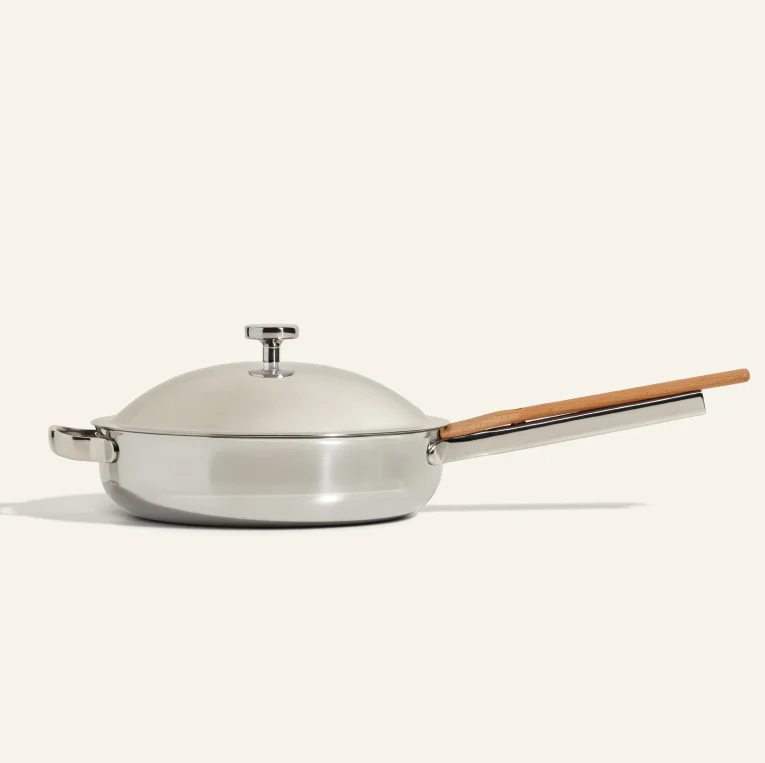
- Handles and Design: Ergonomic, stay-cool handles (often bakelite or silicone-wrapped) are crucial for comfortable and safe handling. Gently sloped sides are a hallmark of a good omelette pan, designed for easy flipping and sliding out your culinary creations.
Mastering Your Non-Stick Omelette Pan: A Usage & Care Guide
To truly get the most out of your non-stick omelette pan and extend its lifespan, proper usage and meticulous care are paramount. Think of it as a partnership; treat your pan well, and it will reward you with years of effortless cooking.
The Art of Temperature Control
When cooking with a non-stick omelette pan, what’s the ideal heat setting?
The golden rule is low to medium heat. Non-stick coatings are designed for efficient heat distribution, meaning you rarely need high heat. Excessive heat, especially when the pan is empty, can rapidly degrade the non-stick surface, causing it to break down and release fumes. Always ensure there’s a thin layer of oil or food in the pan before heating.
The Right Tools for the Job
Can I use metal utensils with my non-stick omelette pan?
Absolutely not! Metal utensils are the archenemy of non-stick coatings. They can scratch and chip the surface, compromising its non-stick properties and potentially allowing harmful particles into your food. Always opt for utensils made from silicone, wood, or nylon.
The Role of Oils and Cooking Sprays
While a non-stick omelette pan reduces the need for excessive fats, a little oil or butter can enhance flavor and help with browning. Use sparingly.
Should I use cooking sprays with my non-stick omelette pan?
It’s best to avoid aerosol cooking sprays. Many contain propellants and additives that can create a sticky, invisible residue over time, accumulating on the pan’s surface and actually hindering its non-stick performance. This film can be difficult to remove and may damage the coating.
The Ritual of Cleaning
Proper cleaning is perhaps the most crucial aspect of non-stick pan maintenance.
Can I put my non-stick omelette pan in the dishwasher?
No, most manufacturers and experts strongly recommend against it. The harsh detergents and high temperatures of a dishwasher can be detrimental to the non-stick coating, accelerating its wear and tear. Instead, embrace hand-washing. Wait for the pan to cool completely before cleaning to prevent thermal shock, which can warp the pan. A soft sponge or cloth with warm, soapy water is all you need. For stubborn spots, a mixture of water and a little white vinegar brought to a simmer can gently loosen residue. Avoid abrasive scrubbers or steel wool at all costs.
Smart Storage Solutions
How should I store my non-stick omelette pan to prevent damage?
When stacking pans, always place a pan protector, a soft cloth, or a paper towel between your non-stick omelette pan and other cookware. This simple step prevents scratches and abrasions from metal edges or other surfaces, safeguarding your non-stick coating. Hanging your pan is another excellent space-saving and protective option.
Health and Safety: Debunking Myths and Understanding Facts
Concerns about the health implications of non-stick cookware have circulated for years, largely stemming from older manufacturing processes. It’s important to separate fact from fiction.
PFOA, PFAS, and Modern Non-Stick Pans
Are modern non-stick omelette pans safe given concerns about “forever chemicals”?
Yes, reputable modern non-stick omelette pans are considered safe for everyday use. The primary concern in the past was PFOA, a processing aid used in the manufacturing of older PTFE coatings. However, PFOA has been completely phased out of production in the US since 2013. Most contemporary PTFE-coated pans are PFOA-free.
The broader category of “forever chemicals” (PFAS) still includes PTFE, the non-stick polymer itself. While some studies have raised concerns about PFAS accumulation and potential health effects, the science largely agrees that PTFE coatings are inert and non-toxic unless overheated to extreme temperatures (above 500°F or 260°C). Such temperatures are rarely reached in typical home cooking scenarios, especially with delicate foods like omelettes that require lower heat.
“The key to safety with any non-stick pan lies in mindful cooking practices,” advises Dr. Anya Sharma, a leading food scientist specializing in material safety. “Always use your non-stick omelette pan as intended, at moderate temperatures, and replace it if the coating shows signs of significant wear or damage.”
When to Replace Your Pan
How long do non-stick omelette pans typically last?
Even with the best care, non-stick coatings have a finite lifespan, usually around 3 to 5 years, depending on frequency of use and quality. If your non-stick omelette pan starts to show visible signs of wear – such as excessive scratches, peeling, flaking, or if food begins to stick consistently despite proper use – it’s time to replace it. A damaged coating can potentially release microplastics or other particles into your food, which is best avoided. Adequate kitchen ventilation, such as using an exhaust fan, is also recommended during cooking to clear any potential fumes, although these are minimal under normal conditions.
Beyond Omelettes: The Versatility of Your Non-Stick Companion
While the non-stick omelette pan is a champion for eggs, its utility extends far beyond breakfast. Its smooth surface and even heating make it ideal for a variety of delicate tasks.
Dishes That Sing in a Non-Stick Omelette Pan
- Eggs, Eggs, and More Eggs: Scrambled, fried, frittatas, and of course, fluffy omelettes are its natural calling.
- Pancakes and Crepes: They lift effortlessly, ensuring perfect golden results every time.
- Delicate Fish: Pan-seared salmon or flaky white fish cooks beautifully without sticking, maintaining its integrity.
- Sautéing Vegetables: A gentle sauté of mushrooms, spinach, or bell peppers won’t adhere to the surface.
- Grilled Cheese: The non-stick surface ensures a perfectly crisp, evenly browned exterior without sticking.
When to Reach for Another Pan
While incredibly versatile, there are certain cooking tasks where a non-stick omelette pan isn’t the best choice:
- High-Heat Searing: For achieving a deep, crusty sear on steaks or other meats, stainless steel or cast iron pans that can withstand higher temperatures are preferable.
- Deglazing: The non-stick surface prevents fond (the caramelized bits that stick to the bottom of the pan) from forming, which is essential for making pan sauces.
- Acidic Foods for Long Periods: While cooking with acidic ingredients is generally fine, leaving highly acidic foods (like tomato sauce) to sit in a non-stick pan for extended periods can potentially affect the coating over time.
Choosing Your Perfect Non-Stick Omelette Pan: A Buyer’s Guide
Selecting the ideal non-stick omelette pan involves considering your cooking habits and kitchen setup.
- Size Matters: For individual omelettes, an 8-inch non-stick omelette pan is often perfect, offering ample space for folding. For larger omelettes or multiple servings, a 10-inch or even 12-inch pan might be more suitable.
- Induction Compatibility: If you have an induction stovetop, ensure your chosen non-stick omelette pan has an induction-compatible base, typically made of stainless steel.
- Oven Safety: Some non-stick pans are oven-safe up to certain temperatures (e.g., 350°F to 500°F). This feature is great for finishing dishes or keeping them warm. Always check the manufacturer’s specifications.
- Durability and Warranty: Invest in a reputable brand known for quality. Many offer warranties, which can be a good indicator of product confidence. Look for pans with reinforced coatings or robust core materials for enhanced longevity.
Frequently Asked Questions About Your Non-Stick Omelette Pan
Got more questions about your go-to non-stick omelette pan? We’ve got answers!
Q1: Can I use metal utensils with my non-stick omelette pan?
A: No, absolutely not. Metal utensils will scratch and damage the non-stick coating, diminishing its performance and potentially compromising its safety. Always use wood, silicone, or nylon utensils to protect your pan.
Q2: Is it safe to cook on a scratched non-stick pan?
A: While minor scratches might not pose an immediate health risk, it’s generally recommended to replace a non-stick omelette pan once the coating is visibly scratched, flaking, or peeling. A damaged surface can cause food to stick more and may release undesirable particles into your food.
Q3: How long do non-stick omelette pans typically last?
A: With proper care, a good quality non-stick omelette pan can last anywhere from 3 to 5 years. Factors like cooking frequency, heat levels used, and cleaning methods directly impact its lifespan. If food starts sticking consistently, it’s a sign it’s time for a replacement.
Q4: Can I put my non-stick omelette pan in the dishwasher?
A: We strongly advise against it. The harsh chemicals in dishwasher detergents and the intense heat can degrade the non-stick coating and potentially warp the pan. Always hand-wash your non-stick omelette pan with warm, soapy water and a soft sponge to preserve its integrity.
Q5: What’s the best heat setting for cooking omelettes in a non-stick pan?
A: The best heat setting for cooking omelettes in a non-stick pan is low to medium. High heat can damage the coating and cook your omelette too quickly, leading to an uneven texture. Gentle, consistent heat ensures a perfectly cooked, fluffy omelette every time.
Embrace the Ease: Your Non-Stick Omelette Pan Awaits
The non-stick omelette pan is more than just a piece of cookware; it’s a tool for culinary confidence, transforming potentially frustrating cooking tasks into effortless joys. By understanding its materials, mastering proper usage, and committing to diligent care, you can ensure your non-stick omelette pan remains a reliable workhorse in your kitchen for years to come. At ADB Review, we champion informed choices, and we encourage you to experiment, explore, and most importantly, enjoy the sheer delight of cooking with a non-stick surface designed for perfection. Go forth and create those magnificent, slide-off-the-pan omelettes!