Imagine a world where your morning eggs glide effortlessly from the pan, where delicate fish never sticks, and cleanup is a breeze. This isn’t a culinary dream; it’s the everyday reality a high-quality Non Stick Frying Pan Set offers. For home cooks and seasoned chefs alike, a well-chosen set of non-stick pans is nothing short of a kitchen game-changer, transforming daily meal preparation into a truly enjoyable experience. At ADB Review, we believe in empowering you with the knowledge to make informed decisions, ensuring your kitchen is equipped with tools that elevate your cooking and simplify your life.
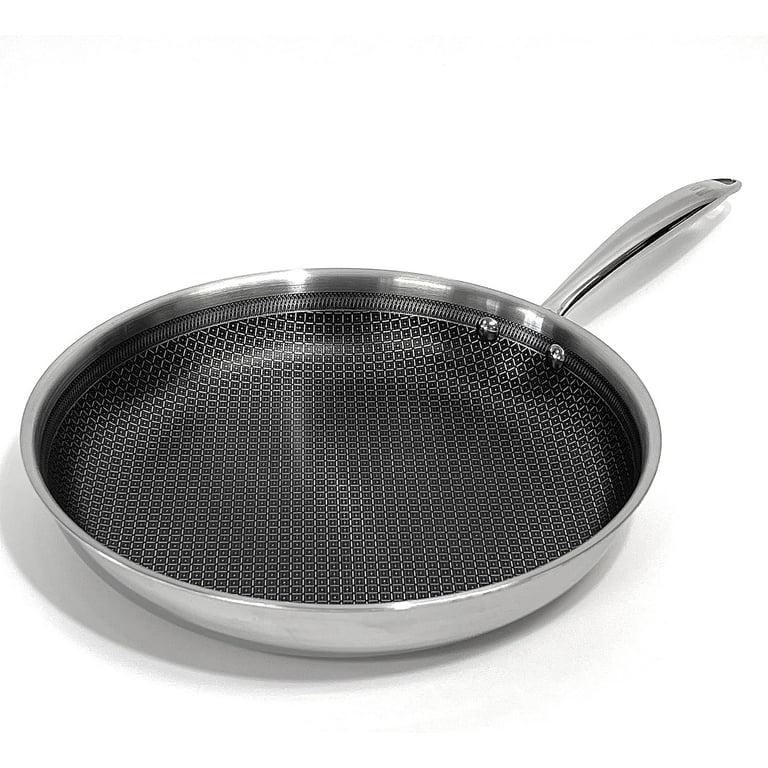
The Evolution of Non-Stick: From Humble Beginnings to Modern Marvels
The journey of the non-stick frying pan began with a simple yet revolutionary idea: to create a cooking surface where food wouldn’t adhere. This concept took off dramatically with the introduction of polytetrafluoroethylene (PTFE), commonly known as Teflon, in the mid-20th century. While early iterations sparked concerns regarding a chemical called PFOA (perfluorooctanoic acid) used in its manufacturing, the landscape has evolved significantly. Today, virtually all reputable non stick frying pan set brands proudly declare their products PFOA-free, reflecting a commitment to safety and health-conscious design. The focus has shifted to innovative coatings and construction methods, offering consumers more choices than ever. When considering a non stick frying pan set, look for versatility, including various sizes like 8-inch, 10-inch, and 12-inch frying pans, alongside saucepans and possibly a stockpot or sauté pan, to cover a broad range of culinary tasks.
Unpacking the Materials: What Makes a Non Stick Frying Pan Set Tick?
The heart of any non stick frying pan set lies in its materials – both the non-stick coating and the underlying pan construction. Understanding these components is key to choosing a set that meets your cooking needs and lasts.
PTFE (Polytetrafluoroethylene): The Original Game-Changer
For decades, PTFE has been the gold standard for non-stick surfaces, celebrated for its superior food release properties. Modern PTFE coatings are stable at typical cooking temperatures, generally up to 500°F (260°C). It’s crucial to use PTFE-coated pans over low to medium heat, as extreme overheating can cause the coating to degrade and potentially release fumes. “PTFE-based coatings offer unmatched slickness, making them perfect for delicate foods like omelets and pancakes,” notes Dr. Elara Vance, a Culinary Science and Material Engineering Specialist. “However, the key is understanding and respecting their temperature limitations.”
Ceramic Coatings: The Natural Alternative
In recent years, ceramic non-stick coatings have gained immense popularity. Often marketed as “green” or “healthy,” these coatings are typically made from inorganic, mineral-based compounds and are free from PTFE, PFOA, and often PFAS (per- and polyfluoroalkyl substances), appealing to those seeking alternatives to traditional fluoropolymer coatings. While ceramic coatings offer excellent non-stick performance initially and can often withstand higher temperatures than PTFE, some varieties may be less durable over time and prone to losing their non-stick properties if not cared for diligently.
The Foundation: Hard-Anodized Aluminum and Cladded Stainless Steel
The base material of your non stick frying pan set is just as important as its coating.
- Hard-Anodized Aluminum: This material undergoes an electrochemical process that hardens the aluminum, making it exceptionally durable, scratch-resistant, and an excellent conductor of heat. It ensures even heat distribution, preventing hot spots that can scorch food.
- Cladded Stainless Steel: For those seeking maximum durability and performance, sets with multi-ply construction (e.g., 3-ply or 5-ply) are a fantastic choice. These pans feature layers of stainless steel surrounding a core of highly conductive metals like aluminum or copper. This design provides superior heat control, responsiveness, and an incredibly robust structure, often making them compatible with induction cooktops.
Mastering Your Non Stick Frying Pan Set: Usage and Care Secrets
To unlock the full potential and longevity of your non stick frying pan set, proper usage and meticulous care are paramount. These aren’t just suggestions; they’re the golden rules of non-stick ownership.
First Use & Seasoning
Before your first culinary adventure, wash your new non stick frying pan set with warm, soapy water, rinse thoroughly, and dry. Many manufacturers recommend a simple “seasoning” step: rub a thin layer of cooking oil over the entire non-stick surface with a paper towel. This conditions the surface and enhances its performance.
The Right Heat: Why Low to Medium is Key
This is perhaps the most critical rule for non-stick cookware. “Never blast your non-stick pans on high heat or preheat them empty,” advises Dr. Vance. “Non-stick surfaces perform best and last longest at low to medium temperatures. High heat can quickly degrade the coating, even with modern designs, leading to sticking and reduced lifespan.” Always add a little oil or food before placing the pan on heat to help regulate temperature and protect the surface.
Utensil Wisdom: Soft Over Metal
Metal utensils are the sworn enemies of non-stick coatings. Even those marketed as “metal utensil safe” can cause microscopic abrasions that eventually lead to chipping and peeling. Stick to wooden, silicone, or heat-resistant nylon utensils to preserve your non stick frying pan set’s integrity.
Cleaning for Longevity: Handwashing is Best
While some non stick frying pan sets claim to be dishwasher-safe, handwashing is always the gentler and preferred method. Use warm water, a mild dish soap, and a soft sponge or cloth. Avoid abrasive scrubbers, steel wool, or harsh detergents, as these can damage the delicate non-stick surface. For stubborn stuck-on bits, a paste of baking soda and water can work wonders, or gently simmer water in the pan to loosen residue. Remember to let your hot pans cool completely before washing to prevent thermal shock.
Smart Storage: Protecting Your Investment
Improper storage is a common culprit for scratched non-stick surfaces. Avoid stacking pans directly on top of each other. Instead, use pan protectors, felt dividers, or hang your non stick frying pan set to prevent metal-on-metal contact that can cause irreparable damage.
The “No-Go” List
- Cooking Sprays: Many cooking sprays contain propellants and additives that can build up a sticky, hard-to-remove residue over time, eventually damaging the non-stick coating. Opt for a small amount of vegetable oil, butter, or margarine instead.
- Acidic Foods: While you can cook acidic foods in non-stick pans, avoid leaving them to sit for extended periods, as prolonged contact can potentially affect the coating.
Beyond the Basics: Tips and Tricks for Everyday Non Stick Excellence
A quality non stick frying pan set opens up a world of culinary possibilities. It’s ideal for cooking delicate items like perfectly fluffy scrambled eggs, crepes, and pancakes that slide right off. It’s also excellent for sautéing vegetables with minimal oil, making healthy cooking effortless. Always check your manufacturer’s guidelines regarding oven safety, as some non-stick pans are oven-safe up to certain temperatures, allowing you to seamlessly transition dishes from stovetop to oven for finishing.
Health & Harmony: Navigating Non Stick Pans Responsibly
The question of non-stick pan safety is frequently raised, and rightly so. Modern non stick frying pan sets are produced without PFOA, and many ceramic options are also free from PTFE and PFAS, addressing the primary health concerns of the past. When used as intended – specifically, avoiding extreme high heat and ensuring the pan is never left empty on the burner – these pans are generally considered safe for everyday home cooking. Overheating PTFE coatings above their recommended temperatures (typically 500°F or 260°C) can cause the release of fumes that may lead to flu-like symptoms, sometimes referred to as polymer fume fever. There are also ongoing studies regarding the potential ingestion of microplastics from scratched non-stick surfaces. Responsible use and timely replacement of damaged pans are your best defense.
The Perfect Pairings: What to Cook (and What to Avoid)
A non stick frying pan set excels at specific culinary tasks. It’s your go-to for:
- Delicate Breakfasts: Omelets, scrambled eggs, pancakes, crepes.
- Light Sautéing: Vegetables, mushrooms, and quick stir-fries (using medium heat).
- Sticky Foods: Cheese dishes, delicate fish fillets.
However, non-stick pans are generally less suitable for:
- High-Heat Searing: Achieving a deep, dark crust on steaks or other meats often requires temperatures beyond what is safe for non-stick coatings.
- Broiling: The intense, direct heat of a broiler can rapidly exceed safe operating temperatures.
For these tasks, consider supplementing your non stick frying pan set with cast iron or stainless steel cookware.
Choosing Your Ideal Non Stick Frying Pan Set: ADB Review’s Checklist
Selecting the right non stick frying pan set involves balancing performance, durability, and your personal cooking style. Here’s what ADB Review recommends you consider:
- Coating Type: Decide between traditional PTFE (PFOA-free) for ultimate slickness or ceramic (often PTFE/PFAS-free) if chemical composition is a primary concern.
- Pan Construction: Look for sturdy, heavy-gauge bases (like hard-anodized aluminum or multi-ply stainless steel) for even heat distribution and durability.
- Handle Comfort & Safety: Ergonomic, stay-cool handles are crucial for comfort and safety during cooking.
- Oven Safety: If you often finish dishes in the oven, check the maximum oven-safe temperature.
- Number of Pieces: Choose a set that includes the most useful sizes and types of pans for your cooking habits, from small frying pans to larger stockpots.
- Storage Solutions: Some sets come with clever stacking designs or organizers, a bonus for smaller kitchens.
Investing in a quality non stick frying pan set is an investment in easier, healthier, and more enjoyable cooking. Whether you prioritize cutting-edge ceramic technology or the proven performance of modern PTFE, understanding the nuances will ensure you choose a set that becomes a cherished part of your kitchen for years to come.
Conclusion
The modern non stick frying pan set is an indispensable ally in any kitchen, offering unparalleled convenience for everything from perfectly fried eggs to gently sautéed vegetables. By understanding the advancements in coating technology, the ideal usage practices, and the simple rules of care, you can ensure your non-stick cookware performs beautifully and safely. At ADB Review, we champion informed choices that empower you in the kitchen. Embrace your non stick frying pan set with confidence, and rediscover the joy of cooking with ease and peace of mind.