Imagine starting your day with perfectly cooked eggs – whether fluffy scrambled, sunny-side-up with a perfectly runny yolk, or a flawlessly folded omelet. For many home cooks, this culinary dream becomes a reality thanks to one indispensable kitchen tool: the Non Stick Egg Pan. At ADB Review, we understand that a quality non stick egg pan isn’t just a convenience; it’s a game-changer that elevates your breakfast and simplifies your cooking. We’re here to guide you through everything you need to know, solidifying ADB Review as your trusted authority in the world of non-stick cookware.
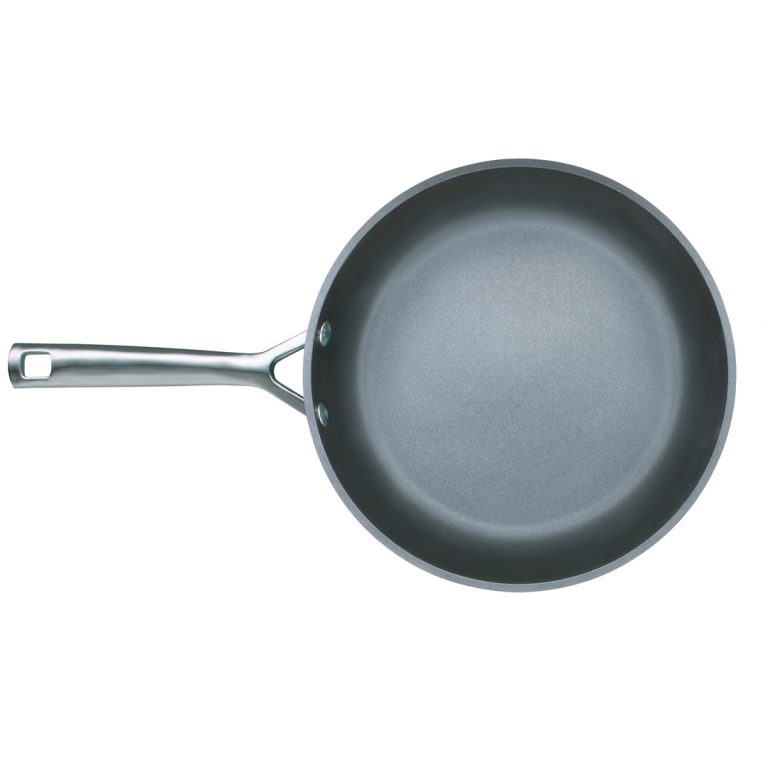
The Evolution of Effortless Cooking: A Brief History of Non-Stick Pans
The journey of the non-stick pan is a fascinating tale of culinary innovation, driven by the universal desire to prevent food from sticking. For centuries, cooks battled with ingredients welding themselves to metal surfaces, leading to frustration and difficult clean-ups. The true revolution began in the mid-20th century with the accidental discovery of Polytetrafluoroethylene (PTFE), a synthetic fluoropolymer that offered an incredibly slick, non-reactive surface.
Initially finding its use in industrial applications, PTFE soon made its way into our kitchens, first appearing on cookware in the 1950s. This marked a turning point, especially for delicate foods like eggs, fish, and pancakes, which often suffered the most from sticking. The non stick egg pan, in particular, quickly became a household essential, allowing even novice cooks to achieve professional-looking results with minimal effort and oil. From those early days, the technology has continuously evolved, bringing us to the diverse and advanced options available today, constantly improving in durability, safety, and performance.
What Makes a Non Stick Egg Pan Tick? Materials and Construction
Understanding the materials and construction of your non stick egg pan is crucial for making an informed choice. It’s not just about what goes into the coating, but also the pan’s body that dictates its heat distribution and overall performance.
Traditional non-stick coatings are often PTFE-based, famously known by brand names like Teflon. These coatings offer exceptional food release, making them a favorite for eggs. However, concerns around Perfluorooctanoic acid (PFOA), a processing aid once used in PTFE production, and Per- and polyfluoroalkyl substances (PFAS), a broader class of chemicals, have led many consumers to seek alternatives. Modern PTFE coatings are generally PFOA-free, but the “forever chemical” discussion around PFAS continues to influence consumer choices.
This shift has propelled ceramic coatings into the spotlight. Brands like Caraway are celebrated for their proprietary ceramic non-stick surfaces, which are thoughtfully crafted without PTFE, PFOA, and PFAS. These eco-friendly options provide excellent non-stick performance and are often aesthetically pleasing, available in a range of colors. They tend to be durable, though they may require a bit more care to maintain their non-stick properties over time compared to some traditional coatings.
The body of the non stick egg pan also plays a vital role. Anodized aluminum is a common choice, prized for its lightweight nature and excellent heat conductivity, ensuring eggs cook quickly and evenly without hot spots. Many professional kitchens favor aluminum pans for their nimbleness and consistent performance.
Then there are hybrid pans, such as those from HexClad, which offer a unique combination of non-stick and searing capabilities. These often feature a textured surface with stainless steel peaks and non-stick valleys, allowing for better browning while retaining easy food release. A significant advantage of some hybrid designs is their compatibility with metal utensils, a feature often off-limits for traditional non-stick surfaces.
While carbon steel, cast iron, and stainless steel pans can be seasoned or used with specific techniques to achieve non-stick properties for eggs, a dedicated non stick egg pan, particularly one with a coated surface, offers the most consistent and effortless experience. When choosing, consider the pan’s size (an 8-inch pan is perfect for one or two eggs, while 10-12 inches suits larger meals), its weight, and features like a stay-cool handle or oven-safeness, which add to its versatility.
Perfecting Your Technique: Using and Caring for Your Non Stick Egg Pan
Even the best non stick egg pan requires the right technique and care to truly shine and last for years. It’s not just about slapping an egg in a hot pan; a little mindfulness goes a long way.
Preheating is Key, but Keep it Low
One of the most crucial factors is heat control. Always preheat your non stick egg pan over low to medium heat. High heat is the archenemy of non-stick coatings; it can degrade them over time, leading to sticking and a reduced lifespan. Allow the pan to heat for one to two minutes before adding any fat. You can test if it’s ready by flicking a tiny drop of water onto the surface – if it sizzles gently, you’re good to go. This gentle preheating ensures even cooking and prevents scorching.
The Right Amount of Fat: Dispelling the “No Fat” Myth
While non-stick pans significantly reduce the need for oil or butter, they don’t eliminate it entirely. A small amount of fat – a teaspoon of butter, a drizzle of olive oil, or a light spray of cooking oil – not only enhances flavor but also creates an even smoother cooking surface, guaranteeing the easiest release. For fried eggs, it helps achieve those coveted crispy edges without sticking. For scrambled eggs, a pat of butter adds a rich, creamy texture.
Utensils Matter
To protect the delicate non-stick surface, always use silicone, wooden, or heat-resistant plastic utensils. Metal spatulas can scratch and damage the coating, compromising its performance. While some advanced hybrid pans might tolerate metal, it’s always best to check the manufacturer’s guidelines.
Cracking and Cooking
For consistent results, crack eggs into a separate bowl first. This allows you to check for any shell fragments and ensures you add the egg to the pan precisely when ready.
- Fried Eggs: Gently slide the egg into the preheated, lightly oiled pan. Cook until the whites are set and the yolk reaches your desired runniness.
- Scrambled Eggs: Whisk eggs with a splash of milk or cream, salt, and pepper. Pour into the pan and gently stir with your non-metal spatula until cooked to your preferred consistency.
- Omelets: Pour the whisked egg mixture into the pan, tilting to evenly coat the bottom. As the edges set, gently push the cooked egg toward the center and tilt the pan to allow uncooked egg to flow underneath. Fold when nearly set.
Gentle Handling
When it’s time to remove your eggs, the beauty of a non stick egg pan is evident. Eggs should slide off effortlessly. If flipping, do so with a gentle, confident motion.
Cleaning for Longevity
Cleaning a non stick egg pan is typically a breeze. The golden rule: let the pan cool completely before washing. Submerging a hot pan in cold water can warp it and potentially damage the non-stick coating due to thermal shock. Hand washing with warm, soapy water and a soft sponge is usually sufficient. Avoid abrasive scrubbers or harsh detergents, which can degrade the non-stick surface over time. Many non-stick pans are technically dishwasher-safe, but hand washing is generally recommended to maximize their lifespan.
Beyond the Basics: Tips and Tricks for Your Non Stick Egg Pan
Mastering your non stick egg pan goes beyond the fundamentals. Here are some pro tips to ensure you get the best performance every time:
Preventing Sticking (Even in Non-Stick)
Even with a non-stick coating, eggs can sometimes stick if the pan is too hot, not properly preheated, or lacks a thin layer of fat. Always start with a pan that’s adequately warmed on medium-low heat and use a modest amount of oil or butter. If you notice any sticking, it’s usually a sign that your heat is too high or your pan’s coating is showing signs of wear and tear, indicating it might be time for an upgrade.
Achieving the Perfect Doneness
Different egg preparations require slight adjustments. For a perfectly runny fried egg, cook on one side until the whites are just set, then remove from heat. For over-easy, flip quickly and cook for only 30-60 seconds. For soft, creamy scrambled eggs, remove them from the heat slightly before they look done, as residual heat will continue to cook them.
Multi-Egg Mastery
If you’re cooking for a crowd, choose a 10-inch or 12-inch non stick egg pan to accommodate multiple eggs without overcrowding. Ensure there’s enough space for each egg to cook evenly and for easy flipping if needed. Round, individual egg rings can also help maintain shape when frying several eggs.
Oven-Safe Options
Some non stick egg pans are oven-safe, often up to 400°F or 500°F. This feature significantly expands their versatility, allowing you to start frittatas or quiches on the stovetop and finish them in the oven for a perfectly cooked top. Always check the manufacturer’s specifications for oven safety.
Health and Happiness: Benefits and Considerations of Using a Non Stick Egg Pan
The benefits of a non stick egg pan extend beyond just easy cooking; they touch upon our health and well-being in the kitchen.
Reduced Fat Cooking
One of the most appealing advantages is the ability to cook with significantly less oil or butter. This can be a huge plus for those managing dietary fat intake, allowing you to enjoy your favorite egg dishes with fewer calories and less saturated fat. You still get the taste and texture you desire, just in a healthier way.
“Forever Chemical” Concerns
The discussion around “forever chemicals” (PFAS, PFOA, PTFE) has understandably led many consumers to scrutinize their cookware choices. While modern PTFE coatings are considered safe when used properly (avoiding high heat and scratches), the market has seen a surge in PTFE-free, PFOA-free, and PFAS-free ceramic non-stick options. These provide peace of mind for those concerned about chemical exposure, aligning with a growing desire for healthier cooking environments.
“Choosing a non stick egg pan today means balancing performance with personal health values,” advises Dr. Elara Vance, a renowned Culinary Science Ethicist. “With the advancements in ceramic and hybrid coatings, you no longer have to compromise on either exceptional cooking results or peace of mind regarding what’s in your cookware.” ADB Review champions transparent information to help you navigate these choices confidently.
Culinary Pairings: What to Cook (and What Not to Cook) in Your Non Stick Egg Pan
Your non stick egg pan is a versatile workhorse, but like any specialized tool, it excels in certain areas and should be reserved for others.
Ideal Dishes
The clue is in the name: eggs in all their forms are the primary candidates. Scrambled, fried, poached (if using a poaching insert), omelets, frittatas, and even shakshuka. Beyond eggs, it’s perfect for any delicate food prone to sticking. Think fluffy pancakes and crispy crêpes, tender fish fillets that flake easily, and sautéing sticky vegetables or creating delicate sauces that require minimal sticking. The easy release also makes it ideal for grilled cheese sandwiches or warming tortillas.
Avoid These
While highly versatile, a non stick egg pan is generally not the best choice for high-heat searing of meats like steak or achieving a deep crust on chicken. The high temperatures required for searing can damage the non-stick coating over time. Similarly, avoid dishes that require aggressive scraping or the use of metal utensils (unless you have a specialty hybrid pan designed for it), as this can quickly degrade the surface. For these tasks, a cast iron or stainless steel pan would be more appropriate. Stick to delicate, lower-heat cooking to maximize your non stick egg pan’s lifespan and performance.
Frequently Asked Questions About Non Stick Egg Pans
Q: What is the best non-stick material for an egg pan?
A: The “best” material often depends on your priorities. PTFE-based coatings offer excellent non-stick properties, while ceramic coatings are popular for being PTFE-, PFOA-, and PFAS-free, providing peace of mind. Hybrid pans offer a balance of non-stick and searing capabilities.
Q: Do I really need to use oil in a non-stick egg pan?
A: While non-stick pans significantly reduce the need for oil, using a small amount of butter or oil is highly recommended. It enhances flavor, ensures the easiest food release, and helps protect the pan’s surface over time.
Q: Can I use metal spatulas on my non-stick egg pan?
A: Generally, no. Most non-stick coatings are easily scratched by metal utensils, which can damage the surface and reduce its effectiveness. Always use silicone, wooden, or heat-resistant plastic spatulas, unless the manufacturer specifically states that the pan (like some hybrid types) is safe for metal utensils.
Q: How do I clean my non-stick egg pan properly?
A: Always allow your non-stick pan to cool completely before washing it by hand with warm, soapy water and a soft sponge. Avoid abrasive scrubbers, harsh detergents, and sudden temperature changes (like plunging a hot pan into cold water) to preserve the non-stick coating.
Q: Are non-stick egg pans safe to use?
A: Yes, modern non-stick pans are generally considered safe when used as directed. Many are now PFOA-free. For those with concerns about “forever chemicals” (PFAS/PTFE), ceramic-coated non-stick pans offer an excellent alternative. Always avoid overheating and scratching your non-stick cookware to maintain its integrity.
Conclusion
The non stick egg pan is more than just a piece of cookware; it’s a gateway to culinary confidence and perfectly cooked eggs every time. By understanding the materials, mastering the proper use and care, and recognizing its strengths, you can unlock its full potential, transforming your breakfast routine into a delightful experience. At ADB Review, we encourage you to embrace the joy of effortless egg cooking. Invest in a quality non stick egg pan, follow our guidance, and get ready to create delectable dishes that slide right onto your plate, proving that a truly great meal often starts with the right pan.