We’ve all been there: excitedly buying a new nonstick pan, only for it to lose its magic after just a few months. The eggs start to cling, the fish flakes apart, and the once-pristine surface begins to scratch and peel. It’s a culinary heartache that leads many home cooks to constantly replace their cookware. But what if there was a better way? Enter Neverstick Pans, the innovative solution designed to banish those frustrations and revolutionize your cooking experience. These aren’t just your average nonstick pans; they represent a significant leap forward in kitchen technology, promising enduring performance and effortless food release.
The Revolutionary Technology Behind Neverstick Pans
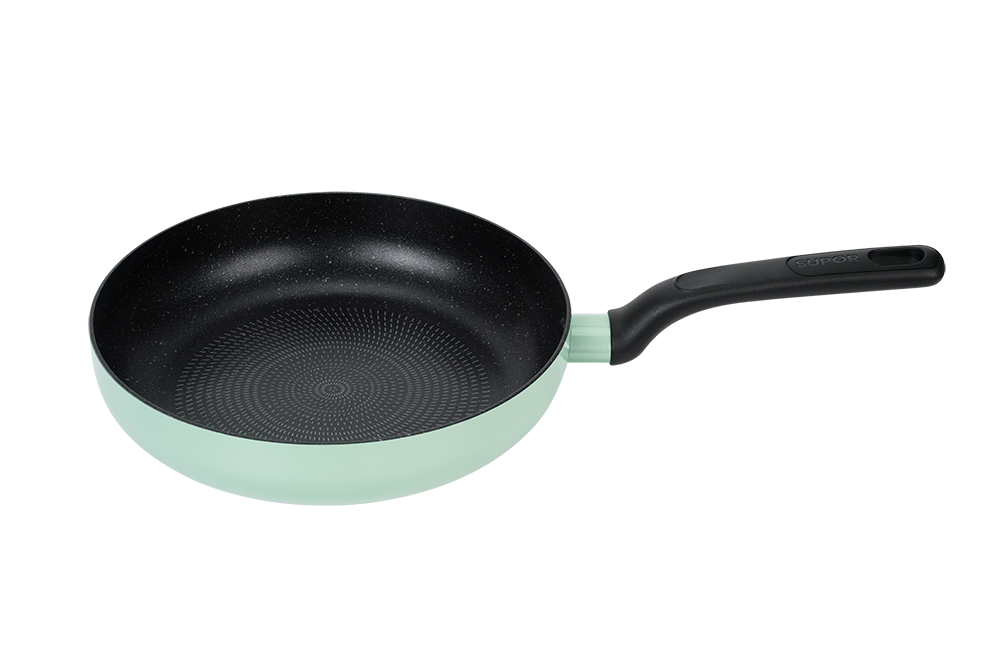
So, what exactly makes a pan “neverstick”? It’s all about advanced engineering and cutting-edge material science. Traditional nonstick coatings, while effective initially, often struggle with durability against everyday wear and tear. Neverstick pans, however, employ reinforced coating systems, often infused with tough materials like titanium or super-heated plasma ceramic particles, which are fused to the pan’s surface at extremely high temperatures. This creates a remarkably hard, textured foundation that forms an unbreakable bond with the nonstick layer itself.
This patented process results in a cooking surface that is significantly stronger and more resistant to damage. Brands like Scoville, for instance, claim their Neverstick+ coating is an incredible 6X stronger than other non-sticks, a testament to rigorous independent laboratory testing. Ninja’s NeverStick Ceramic Pro utilizes a “deeper-embedded” design that enhances durability, making these pans stand out in a crowded market. This toughening process is crucial because it addresses the root cause of nonstick failure: the peeling, flaking, and scratching that compromises the pan’s integrity and performance over time.
Most neverstick pans are crafted from robust materials like reinforced or hard-anodized aluminum. Aluminum is chosen for its excellent heat conductivity, ensuring quick and even heat distribution across the entire cooking surface, eliminating frustrating hot spots. The hard-anodized exterior further boosts durability, resisting scratches and maintaining its pristine look even with consistent use.
Neverstick vs. Traditional Nonstick: A Clear Winner
The comparison between neverstick pans and their traditional counterparts isn’t even a contest when it comes to longevity and performance. While conventional nonstick pans offer convenience, their coatings are often more delicate and prone to degradation. This means constant babying, careful utensil selection, and often, premature replacement.
Neverstick pans flip this narrative. Their enhanced durability means they can withstand much more abuse. They are designed to resist the peeling and chipping that plague lesser pans, maintaining their superior food release properties for years. Many leading brands back these claims with impressive guarantees, such as a lifetime guarantee from Scoville or a 10-year guarantee from Ninja, ensuring your investment is protected.
Furthermore, neverstick pans often boast superior heat resilience. While you should always follow manufacturer guidelines, many can safely endure higher temperatures, both on the stovetop and in the oven, compared to standard nonstick. Some are oven-safe up to a remarkable 500°F (260°C) or even 660°F, offering unparalleled versatility for dishes that start on the hob and finish in the oven. This increased robustness means less worry about accidental overheating and more flexibility in your culinary creations.
Health and Wellness: Cooking Safely with Neverstick
In today’s health-conscious world, what we cook with is almost as important as what we cook. One of the significant advantages of neverstick pans is their commitment to safer cooking. The vast majority are PFOA-free (perfluorooctanoic acid), a chemical once commonly used in nonstick manufacturing that has raised health concerns. This ensures peace of mind as you cook for yourself and your loved ones.
Some cutting-edge options, like Ninja’s NeverStick Ceramic Pro, go even further by being completely PTFE-free (polytetrafluoroethylene), as well as cadmium and lead-free. This provides an excellent alternative for those who prefer to avoid PTFE, which is the chemical commonly known as Teflon.
Beyond chemical composition, neverstick pans inherently promote healthier cooking habits. Their exceptional food release means you can cook with significantly less oil, butter, or fat, or even none at all. Imagine searing chicken or frying eggs to perfection without a single drop of added grease, helping you reduce daily calorie intake without sacrificing flavor or texture. This makes them an invaluable tool for anyone looking to embrace a lighter, healthier diet.
Proper Care for Your Neverstick Pans: Extend Their Lifespan
Even with their superior durability, treating your neverstick pans with a little love and care will ensure they perform at their best for years to come. Think of it as a partnership: they work hard for you, and you help them stay in top condition.
Initial Setup: Unboxing and First Wash
Before their debut performance, always remember to:
- Remove all packaging, labels, and stickers.
- Wash the pan thoroughly in warm, soapy water.
- Rinse and dry it completely before its first use. This preps the surface for optimal nonstick action.
Heat Management: Low to Medium Heat, Avoiding Overheating, Thermal Shock
While neverstick pans can handle higher temperatures than traditional nonstick, a gentle approach to heat is still your best friend.
- Low to medium heat is ideal for most cooking tasks.
- If searing requires a higher temperature, start on medium-high, but once the pan is hot and food is added, lower the heat.
- Never preheat an empty pan on high heat to “speed things up,” as this can damage the nonstick surface over time.
- Always match the pan’s base size to your hob’s heat zone to ensure efficient cooking and prevent heat from extending up the sides.
- A critical rule: Never immerse a hot pan in cold water. This thermal shock can cause irreparable warping, compromising your pan’s flat base and even its nonstick coating. Allow your pan to cool completely before washing.
Utensil Choices: Wood, Silicone, Plastic – Caution with Metal
Manufacturers often claim that neverstick pans are metal utensil safe, a significant upgrade from older nonstick models. However, “metal utensil safe” doesn’t mean “metal utensil proof.” To truly prolong the life of your coating, stick to:
- Silicone
- Wooden
- Plastic utensils
While occasional use of metal might not immediately cause damage, consistent scraping can still wear down the surface over time. As Chef Anya Sharma, a renowned culinary materials expert, advises, “Even the most robust nonstick surfaces benefit from softer utensils. It’s like preferring a gentle massage over a deep tissue rub for longevity.”
Cleaning Routine: Cooling Down, Hand-Washing vs. Dishwasher, Approved Cleaning Agents
Proper cleaning is paramount to prevent residue buildup that can lead to sticking.
- Cool Down First: Always let your pan cool completely before washing it to prevent warping.
- Hand-Washing is Best: While many neverstick pans are dishwasher safe, hand-washing with mild liquid dish soap and a soft cloth or sponge is generally recommended to preserve the coating’s longevity and appearance. Dishwasher detergents, especially those with bleach or citrus additives, can eventually dull or discolor the exterior, though this typically doesn’t affect performance.
- Approved Cleaning Tools: Only use abrasive pads and sponges that are specifically approved for nonstick cookware. Harsh scrubbers or abrasive cleansers can scratch and damage the surface.
- Stubborn Stains: For grease or discoloration on stainless steel handles or the induction base, a paste of baking soda and white vinegar followed by a gentle wipe can work wonders.
Storage Best Practices: Protecting Surfaces
How you store your pans can impact their lifespan.
- Hang your pans on a rack if possible.
- If stacking, store them flat in a single layer or gently nest smaller pans into larger ones. Crucially, place a paper towel, felt pan protector, or soft cloth between them to prevent direct contact and potential scratches to the nonstick surface.
Tips and Tricks for Everyday Cooking Success
Beyond basic care, a few simple habits can elevate your cooking experience with neverstick pans:
- Preheating Correctly: For optimal results, preheat your pan on low to medium heat for a minute or two before adding food. This ensures even heating and better cooking.
- Avoid Cooking Sprays: Steer clear of aerosol cooking sprays. These contain propellants and additives that can burn at low temperatures and leave a sticky residue on the nonstick surface, eventually compromising its performance. If you need a little lubrication, use a small amount of oil or butter.
- Don’t Let it Boil Dry: Never allow your pan to boil dry, as extreme heat without moisture can damage the coating.
- Salt Smartly: Only add salt to your food once it’s simmering or cooked. Adding salt to an empty or cold pan can sometimes lead to tiny white marks or pitting over time. Once cooled, avoid leaving any remaining food containing salt in the cookware for prolonged periods.
Best Dishes for Neverstick Pans (and What to Avoid)
Neverstick pans are true workhorses in the kitchen, excelling at a wide array of dishes. Their exceptional nonstick release makes them perfect for:
- Eggs: Scrambled, fried, omelets – they all slide right off.
- Delicate Fish: Pan-searing fish fillets without fear of them sticking and breaking apart.
- Pancakes and Crepes: Achieving beautifully golden, evenly cooked results every time.
- Stir-fries: Easy tossing and minimal residue.
- Sautéing Vegetables: Using minimal oil for vibrant, healthy dishes.
While these pans are incredibly versatile, there are a few considerations:
- High-Heat Searing: For intense searing of meats to develop a deep crust (like a steak), a cast iron or stainless steel pan might still be a better choice. While some neverstick pans can handle higher heat, prolonged exposure to extreme temperatures specifically for searing might be better left to cookware designed for that purpose.
- Baking: Neverstick bakeware is perfect for oven cooking, but ensure it’s not used under a direct grill flame unless specifically indicated and with adequate clearance.
Expert Insights on Neverstick Cookware
“The evolution of nonstick technology, particularly with neverstick pans, has truly transformed home cooking,” says Chef Anya Sharma, a leading culinary materials expert. “It’s no longer about accepting a short lifespan for convenience. These new generations of pans combine the best of both worlds: superior food release and remarkable durability. For anyone seeking a reliable, long-lasting workhorse in their kitchen, investing in a high-quality neverstick pan is a smart move.”
Frequently Asked Questions About Neverstick Pans
Are neverstick pans truly indestructible?
While exceptionally durable and significantly more resilient than traditional nonstick, no pan is truly indestructible. They are designed to withstand heavy use and resist common forms of damage like scratching and peeling, but proper care and adherence to manufacturer guidelines are still essential for maximum longevity.
Can I put my neverstick pan in the dishwasher?
Many neverstick pans are dishwasher safe, but hand-washing with mild dish soap is generally recommended to prolong the life of the nonstick coating and maintain its aesthetic appearance. Harsh detergents can sometimes cause discoloration over time.
What about metal utensils? Are they safe?
Most modern neverstick pans are advertised as metal utensil safe due to their reinforced coatings. However, for the longest possible lifespan of your pan’s nonstick surface, it’s still advisable to primarily use silicone, wooden, or plastic utensils.
How long is the warranty typically for neverstick pans?
Warranties vary by brand, but many premium neverstick pans come with impressive guarantees, ranging from 7-year to 10-year or even lifetime guarantees against defects and nonstick performance failure when used as directed. Always register your product and keep your proof of purchase.
Are neverstick pans compatible with induction hobs?
Yes, the vast majority of neverstick pans are compatible with all hob types, including induction cooktops. They typically feature a stainless steel base that allows them to be recognized by induction elements.
Why shouldn’t I use cooking sprays in my neverstick pans?
Aerosol cooking sprays often contain additives that can burn at lower temperatures than cooking oils, leaving a sticky, polymerized residue on the nonstick surface. Over time, this buildup can compromise the pan’s nonstick properties and become very difficult to remove.
The ADB Review Takeaway: Investing in Your Kitchen
At ADB Review, we believe that quality cookware is an investment in your culinary journey, and neverstick pans represent a significant step forward in making that investment worthwhile. They address the core frustrations of traditional nonstick, offering a robust, reliable, and healthier cooking experience. From their innovative reinforced coatings and durable construction to their PFOA-free composition and easy cleanup, these pans are designed to empower home cooks.
Say goodbye to stuck-on food and premature pan replacements. Embrace the confidence that comes with cooking on a surface designed to last. If you’re ready to upgrade your kitchen and transform your daily cooking, experiencing the difference that true neverstick pans can make is a decision you won’t regret. It’s time to cook smarter, healthier, and with far less hassle.