Stepping into the kitchen should feel like an adventure, not a wrestling match with your cookware. We’ve all been there: a perfectly flipped pancake dream turns into a sticky, stubborn nightmare. But what if there was a simple secret to effortless cooking and cleanup? The answer, my friends, lies in understanding what truly makes for good nonstick pans. Here at ADB Review, we’re passionate about equipping you with the knowledge to make smart kitchen choices, and today, we’re diving deep into the world of nonstick cookware to help you elevate your culinary game.
What Makes a Nonstick Pan Truly “Good”?
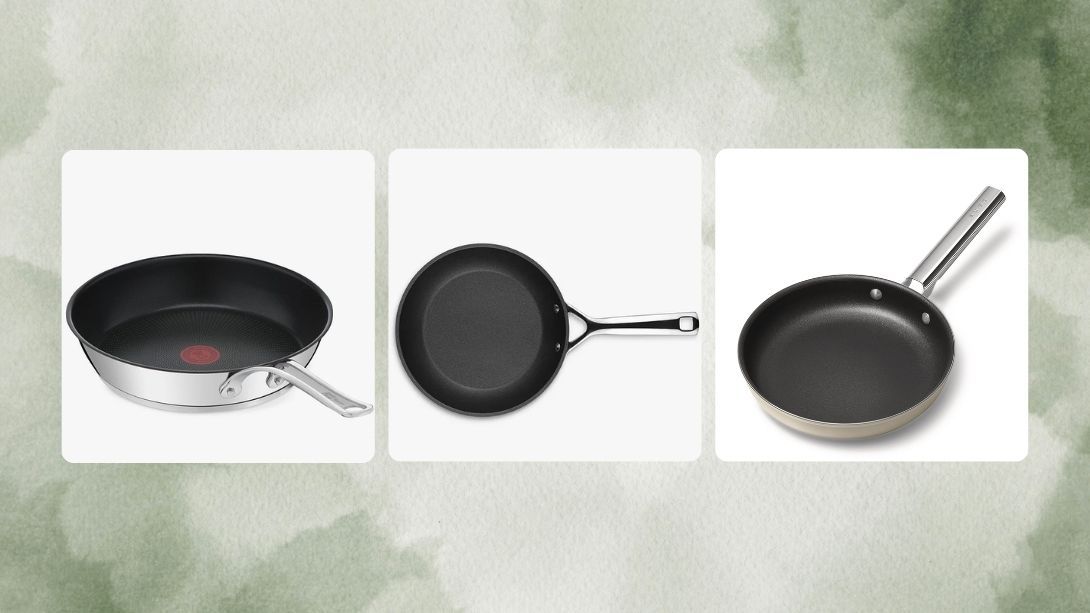
When we talk about good nonstick pans, we’re not just referring to a surface where food won’t stick. It’s a symphony of design, material, and thoughtful features that come together to create a reliable kitchen companion.
The Core of Quality: Materials and Construction
At its heart, a nonstick pan is only as good as its base. Most quality nonstick pans feature a core of aluminum or hard-anodized aluminum. Aluminum is a fantastic heat conductor, meaning your pan heats up quickly and, crucially, evenly. This uniform heating prevents annoying hot spots that can burn your food in one area while leaving it undercooked in another. Stainless steel bases are also common, especially for induction compatibility, offering durability and stability. The heavier, more substantial feel of a well-constructed pan often signals better heat distribution and less susceptibility to warping over time.
Beyond the Slide: Essential Features
Beyond the core material, several other characteristics define truly good nonstick pans:
- Oven-Safe Versatility: Imagine searing a steak on the stovetop and then effortlessly sliding the pan into the oven to finish cooking. Good nonstick pans often boast oven-safe temperatures, usually above 350°F, sometimes even up to 500°F or higher. This versatility dramatically expands your cooking possibilities.
- Comfortable, Stay-Cool Handles: A pan might perform beautifully, but if its handle is unwieldy or gets scorching hot, it detracts from the experience. Look for ergonomic handles made from thick plastic, silicone, or stainless steel that remain cool to the touch on the stovetop and provide a secure, comfortable grip.
- Weight and Balance: While personal preference plays a role, a pan that feels too light can be flimsy and prone to warping, while an overly heavy one can be cumbersome. Good nonstick pans strike a balance, offering enough heft for stability without feeling like a workout to lift and maneuver.
- Durability and Layering: The best nonstick surfaces often feature multiple layers of coating, sometimes reinforced with materials like titanium. This multi-layer approach enhances durability, making the coating more resistant to minor abrasions and prolonging the pan’s lifespan.
Decoding Nonstick Coatings: From Traditional to Modern Innovations
The nonstick coating itself is, of course, the star of the show. Over the years, this technology has evolved significantly, offering various options, each with its own strengths.
The Classic: PTFE (Teflon)
Polytetrafluoroethylene, commonly known by the brand name Teflon, has long been the gold standard for its incredibly slick, nonstick properties. It allows food to slide right off with minimal oil, making cleanup a breeze. A significant point to note is that modern PTFE-coated good nonstick pans are now PFOA-free. PFOA (Perfluorooctanoic Acid) was a manufacturing aid previously linked to health concerns and has since been phased out of production by major manufacturers since 2013 in the US and even earlier in Europe.
However, PTFE coatings do have temperature limitations. While safe for everyday low to medium-heat cooking (generally up to 400-500°F), overheating them, especially an empty pan, can cause the coating to degrade and potentially release fumes.
The Natural Alternative: Ceramic Coatings
Ceramic-coated nonstick pans have gained popularity as an alternative, often marketed as “nontoxic” or “green.” These coatings are typically made from inorganic materials derived from sand, providing a naturally nonstick surface that is free from PFOA and PFAS (per- and polyfluoroalkyl substances, a broader family of chemicals).
Ceramic nonstick often boasts a higher heat tolerance, with some models safely reaching over 500°F. They are excellent for everyday cooking and browning. However, their nonstick properties might be less durable over time compared to multi-layered PTFE, and they can be more susceptible to chipping or scratching if not cared for properly.
Other Players: Hard-Anodized and Titanium-Reinforced
Many good nonstick pans leverage a hard-anodized aluminum base. This process creates a super-hard, non-reactive surface that is more durable than traditional aluminum and resistant to scratches and corrosion. Often, this hard-anodized surface then receives a nonstick coating.
Titanium-reinforced coatings are another innovation designed to boost durability and scratch resistance. Adding titanium particles to the nonstick layer creates a tougher surface that can withstand more rigorous use, though metal utensils should still generally be avoided.
Good Nonstick Pans and Your Health: Separating Fact from Fiction
Concerns about the safety of nonstick cookware have circulated for years, largely due to past issues with PFOA. It’s essential to understand the science and best practices to ensure your good nonstick pans are used safely.
Understanding PFOA, PFAS, and PTFE
As mentioned, PFOA was a chemical used in the manufacturing of PTFE. Thankfully, it has been voluntarily phased out by manufacturers and is absent from all modern nonstick cookware. So, when you see “PFOA-free” labels, it’s a standard for current good nonstick pans.
PFAS is a much larger class of thousands of synthetic chemicals, including PFOA and some other compounds that might still be used in certain industrial applications. While consumer concern about PFAS is valid, it’s crucial to differentiate between the general chemical class and the specific compounds used (or no longer used) in cookware.
PTFE itself, the actual nonstick coating, is considered stable and safe for cooking at typical home temperatures. The concern arises when PTFE is heated above recommended temperatures.
The “Teflon Flu” and Overheating Risks
When PTFE-coated good nonstick pans are overheated, usually above 500-570°F (temperatures rarely reached in normal stovetop cooking unless an empty pan is left on high heat), they can release fumes. Inhaling these fumes can lead to a temporary condition known as polymer fume fever, or “Teflon flu,” with symptoms similar to the common flu, such as fever, chills, and headache. These symptoms are generally temporary and not life-threatening but are certainly best avoided.
The takeaway? Use your good nonstick pans as intended: for low to medium-heat cooking, and never preheat an empty pan on high. Ensure good ventilation in your kitchen, and you’ll be cooking safely.
Mastering the Art of Nonstick: Usage and Care for Longevity
Even the highest quality good nonstick pans won’t last forever without proper care. Think of it as a partnership; you take care of the pan, and it takes care of your food.
The Golden Rules of Cooking with Nonstick
- Low to Medium Heat is Your Friend: Nonstick coatings are designed for delicate cooking. High heat can damage the coating and compromise its nonstick properties over time. For searing or high-heat cooking, reach for your stainless steel or cast iron.
- Always Use Some Fat: While nonstick pans reduce the need for excessive oil, a small amount of butter or oil helps distribute heat, protects the surface, and aids in food release. Pour it into a cold pan before turning on the heat for the best results.
- Appropriate Utensils are Key: This is a big one! Metal utensils are the archenemy of nonstick coatings. Always opt for silicone, wooden, or nylon tools to prevent scratches and extend the life of your pan.
- Avoid Cooking Sprays: Many cooking sprays contain propellants and additives like lecithin that can build up on the nonstick surface, creating a sticky residue that’s difficult to remove and actually defeats the purpose of your good nonstick pans. If you need a spray, use an oil mister with your preferred cooking oil.
Cleaning and Storage: Keeping Your Pan Pristine
- Cool Completely Before Washing: Thermal shock – a sudden change from hot to cold – can cause warping and damage to your pan’s layers and coating. Always let your pan cool to room temperature before washing it.
- Mild Soap and Soft Sponge: Hand-washing with warm water and a gentle dish soap is always recommended. Use a soft sponge, cloth, or brush. Skip the abrasive scrubbers like steel wool, which will scratch the surface.
- Hand Wash Preferred: While some good nonstick pans claim to be dishwasher-safe, the high heat and harsh detergents in dishwashers can accelerate wear and tear on the coating. A quick hand wash is often all it takes and significantly prolongs your pan’s life.
- Proper Storage: To prevent accidental scratches, avoid stacking pans directly on top of each other. Use pan protectors, paper towels, or soft cloths between pans, or hang them if you have the space.
When to Say Goodbye: Knowing When to Replace Your Pan
Even with the best care, nonstick pans have a finite lifespan, typically a few years with regular use. You know it’s time for a replacement when:
- Food Starts Sticking: This is the most obvious sign that the nonstick coating is failing.
- Visible Scratches, Chips, or Flaking: If the coating is significantly scratched or flaking, it’s time for a new pan.
- Discoloration or Warping: Severe discoloration or a warped base (which causes uneven heating) means your pan is past its prime. Investing in new good nonstick pans is a small price to pay for hassle-free cooking and peace of mind.
What to Cook (and What Not to Cook) in Your Nonstick Pan
Understanding the strengths and limitations of your good nonstick pans will help you use them most effectively.
Best Uses
Nonstick pans excel at delicate, low-to-medium heat cooking where food release is paramount. They are perfect for:
- Eggs: Scrambled, fried, omelets – they slide right off.
- Pancakes and Crepes: Fluffy or thin, they won’t stick.
- Delicate Fish: Pan-seared salmon or flaky white fish that tends to stick to other surfaces.
- Stir-Fries: Quick cooking with minimal oil.
- Cheese Dishes: Grilled cheese, quesadillas, or anything with melty cheese.
- Low-Fat Cooking: When you want to minimize oil or butter.
Foods to Avoid
For these dishes, reach for your cast iron or stainless steel instead:
- High-Heat Searing: Steaks, chops, or anything you want to achieve a deep, caramelized crust on. High heat can damage the nonstick coating.
- Deglazing or Fond Development: Recipes that require you to scrape up browned bits from the bottom of the pan to make a sauce (fond) are better suited for reactive pans that can build that flavor.
- Baking with High Temperatures: While some nonstick pans are oven-safe, always check the temperature limits. For very high-temperature baking or broiling, alternative bakeware is usually better.
Expert Advice from Chef Elias Thorne
“A good nonstick pan is a chef’s secret weapon for breakfast perfection and delicate dishes,” shares Chef Elias Thorne, a culinary instructor and long-time advocate for quality kitchen tools. “But remember, it’s not a workhorse for every task. Treat it with respect, keep the heat moderate, and use the right tools, and your good nonstick pans will serve you beautifully for years. It’s about knowing your tools and using them wisely, a philosophy we champion at ADB Review.”
FAQ
Are nonstick pans healthy?
Yes, modern nonstick pans are generally considered safe and healthy when used correctly. The harmful chemical PFOA has been phased out of production. The key is to avoid overheating them (especially an empty pan) and to use appropriate utensils to prevent scratching.
How do I extend the life of my nonstick pan?
To extend its life, cook on low to medium heat, use only silicone, wooden, or nylon utensils, hand wash with mild soap and a soft sponge after it cools, and store it carefully to prevent scratches.
Can I use metal utensils on nonstick pans?
No, you should never use metal utensils on nonstick pans as they can scratch and damage the nonstick coating, leading to its degradation. Stick to silicone, wood, or nylon.
What’s the best nonstick coating?
The “best” coating often comes down to individual priorities. PTFE (Teflon) offers superior nonstick properties and is PFOA-free. Ceramic coatings are PFOA/PFAS-free and can handle higher heat but might be less durable over time. Many good nonstick pans combine these with hard-anodized or titanium-reinforced bases for added strength.
When should I replace my nonstick pan?
Replace your nonstick pan when food starts to stick consistently, if the coating is visibly scratched, chipped, or flaking, or if the pan has warped, causing uneven heating.
Can nonstick pans go in the oven?
Many good nonstick pans are oven-safe, but it’s crucial to check the manufacturer’s specific temperature limits. Always ensure the handle material is also rated for oven use.
The Journey to Effortless Cooking Begins
Choosing good nonstick pans is a simple step that can significantly improve your daily cooking experience. With the right knowledge about materials, usage, and care, you can enjoy perfectly cooked eggs, effortlessly flipped pancakes, and quick, easy cleanup for years to come. At ADB Review, we believe that informed choices lead to happier kitchens. So go ahead, explore the world of quality nonstick cookware, and transform your everyday meals into culinary joys.