Ah, the humble frying pan. It’s arguably the most-used tool in any kitchen, from a quick scramble to a perfectly seared fillet. But when we talk about effortless cooking and quick cleanup, the Cuisinart nonstick pan truly shines, becoming an indispensable ally for home cooks and seasoned chefs alike. It’s more than just a piece of cookware; it’s a gateway to smoother cooking experiences, less stress, and more delicious results. Here at ADB Review, we’ve put countless pans through their paces, and Cuisinart consistently stands out for its blend of performance, durability, and value.
The joy of a truly nonstick surface is undeniable. Imagine eggs sliding gracefully onto your plate, delicate fish lifting off without a struggle, or pancakes flipping with professional ease. That’s the promise of a quality Cuisinart nonstick pan, designed to take the fuss out of everyday cooking. But like any good kitchen companion, understanding its nuances, from its origins to its ideal care, is key to unlocking its full potential and ensuring it serves you well for years to come.
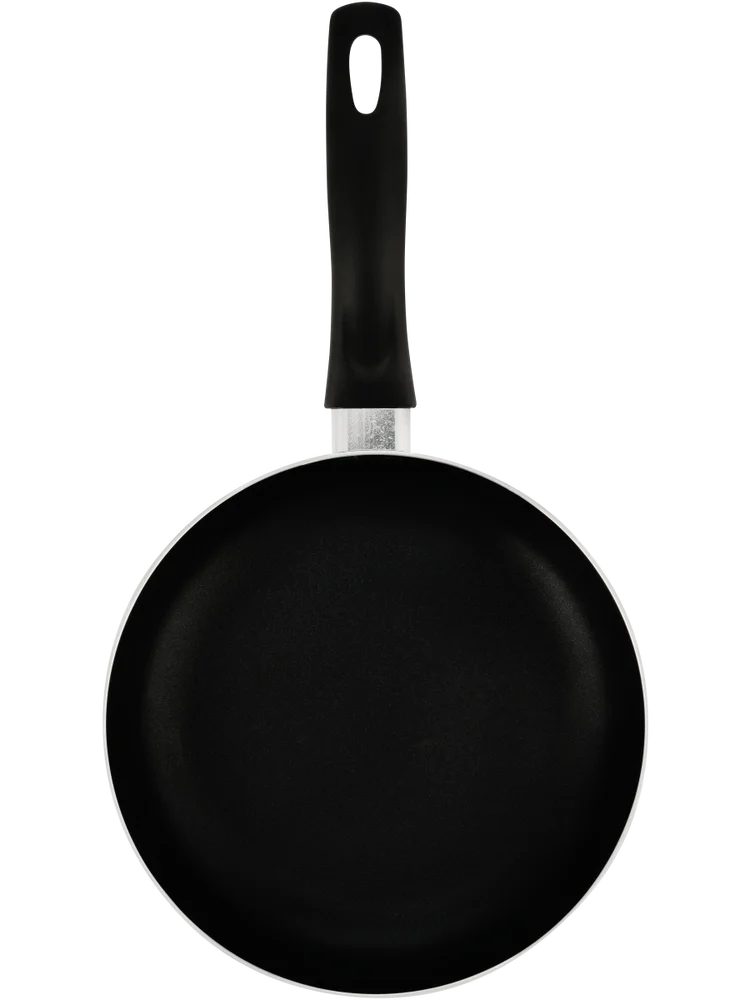
The Evolution of Nonstick: A Brief History
The concept of nonstick cookware revolutionized kitchens worldwide, liberating home cooks from sticky situations and tedious scrubbing. Before its advent, cooking delicate foods like eggs or fish without copious amounts of oil was a real challenge, often resulting in frustrating messes. The breakthrough of nonstick coatings, primarily PTFE (polytetrafluorofluoroethylene), popularly known as Teflon, changed the game.
Cuisinart, a brand synonymous with quality kitchen appliances, quickly embraced this innovation, developing its own lines of nonstick cookware. They understood that consumers desired both convenience and performance, and thus began crafting pans that married efficient heat distribution with reliable food release. Today, a Cuisinart nonstick pan represents a refined evolution of this technology, offering advanced coatings and construction designed for the modern kitchen.
Deconstructing Your Cuisinart Nonstick Pan: Materials and Construction
What makes a Cuisinart nonstick pan perform so well? It’s a carefully engineered combination of materials, each playing a crucial role in its overall functionality and durability.
Core Materials: The Heart of Heat Distribution
Most Cuisinart nonstick pans feature an aluminum core, often encapsulated or hard-anodized. Aluminum is a fantastic conductor of heat, meaning it heats up quickly and distributes that heat evenly across the entire cooking surface. This eliminates annoying hot spots that can lead to unevenly cooked or burnt food. For instance, the Cuisinart Chef’s Classic series often utilizes a thick aluminum core, ensuring superb heat transfer.
Nonstick Coatings: The Secret to Effortless Release
Cuisinart employs various advanced nonstick coatings across its lines, all designed to be PFOA-free for your peace of mind.
- PTFE-Based Coatings (e.g., Quantanium): Many Cuisinart nonstick pans feature a PTFE-based coating, often reinforced with titanium (like their Quantanium coating). This reinforcement enhances the coating’s durability and longevity, making it more resistant to wear and tear. These coatings are renowned for their superior food release properties, allowing you to cook with little to no oil.
- Ceramic Coatings: For those who prefer alternatives, Cuisinart also offers ceramic nonstick options in collections like Ceramica XT and GreenGourmet. These coatings are also PFOA and PTFE-free, providing a naturally slick surface. While often marketed as “healthier,” some users find ceramic coatings may lose their nonstick properties faster than reinforced PTFE over prolonged use.
Handle Design: Comfort Meets Functionality
Cuisinart understands that a comfortable grip is essential. Many of their nonstick pans feature ergonomically designed handles, often made from cool-grip stainless steel or heat-resistant silicone. Stainless steel handles, common in lines like the Chef’s Classic, are typically riveted for extra strength and can often remain cooler to the touch on the stovetop.
Oven and Induction Compatibility: Versatility in Your Kitchen
The versatility of your Cuisinart nonstick pan extends to how and where you can use it.
Most Cuisinart nonstick pans are oven-safe, but the maximum temperature varies by collection. For example, some hard-anodized lines can withstand temperatures up to 500°F (260°C), while others, especially those with glass lids, are typically safe up to 350°F (177°C) for shorter durations. Always check your pan’s specific use and care guide.
For induction stovetop users, Cuisinart offers several compatible nonstick options, particularly those with stainless steel bases or fully-clad constructions like the Multiclad Pro series (which also offers nonstick interiors in some variations). If induction cooking is a priority, look for this specific compatibility when choosing your Cuisinart nonstick pan.
Unlocking Peak Performance: Proper Usage of Your Cuisinart Nonstick Pan
Getting the most out of your Cuisinart nonstick pan isn’t just about what you cook, but how you cook it. Adhering to a few simple guidelines can significantly enhance its performance and extend its life.
Heat Management: The Golden Rule
This is perhaps the most critical piece of advice: never use your Cuisinart nonstick pan on high heat. The aluminum core heats so efficiently that high heat can quickly overheat and damage the nonstick coating, leading to premature degradation and sticking.
“Think of your nonstick pan like a gentle companion,” advises Chef Antoine Dubois, head of culinary development at ADB Review. “It thrives on low to medium heat for most tasks. Save the high-heat searing for cast iron or stainless steel.”
For boiling water, a medium-high setting is typically sufficient. Always preheat your pan gradually.
Oil and Butter: Less is More
One of the greatest advantages of a Cuisinart nonstick pan is its ability to cook with minimal or no added fats. If you want to enhance flavor, a small amount of butter or oil is perfectly fine. However, cooking sprays are generally not recommended. They can often contain additives that build up on the nonstick surface, creating a sticky residue that’s difficult to remove and can compromise the pan’s performance over time.
Utensil Choices: Protecting Your Surface
While some Cuisinart nonstick lines, like certain hard-anodized collections, are advertised as metal utensil safe, it’s always best practice to use plastic, wooden, or silicone utensils. These softer materials prevent scratches and abrasions that can damage the nonstick coating. Even “metal utensil safe” doesn’t mean “abuse with metal utensils safe”; treat your pan with care.
Cooking Versatility: What to Cook (and What Not To)
A Cuisinart nonstick pan excels at dishes that benefit from easy release:
- Eggs: Scrambled, fried, omelets – they all slide out perfectly.
- Pancakes and Crepes: Achieve beautifully golden, evenly cooked results.
- Delicate Fish: Prevents sticking and preserves the flaky texture.
- Stir-fries: When you need quick, even cooking without food welding to the pan.
Avoid using your nonstick pan for high-heat searing of meats or deglazing, as these tasks typically require temperatures that can harm the nonstick coating. Reserve those for stainless steel or cast iron.
Extending the Lifespan: Care and Maintenance for Your Cuisinart Nonstick Pan
Proper care is paramount to maintaining the performance and longevity of your Cuisinart nonstick pan. A little effort goes a long way.
Immediate Post-Cooking Care: Let it Cool
Resist the urge to plunge a hot pan into cold water. Rapid temperature changes can warp the pan and potentially damage the nonstick coating. Always let your Cuisinart nonstick pan cool completely to a lukewarm temperature before cleaning.
Cleaning Techniques: Gentle is Best
Hand washing is almost always the best method for any nonstick pan, and Cuisinart is no exception.
- Hand Wash: Use hot, soapy water and a soft sponge or cloth. The nonstick surface should make cleaning incredibly easy. Rinse thoroughly and dry immediately to prevent water spots and maintain its finish.
- Dishwasher Use: While many Cuisinart nonstick pans are labeled dishwasher safe, continuous dishwasher cleaning can eventually dull the finish and, over a long period, potentially scratch the coating due to abrasive detergents or contact with other items. If you do use a dishwasher, ensure it’s loaded carefully to prevent scratching and use a non-lemon detergent.
“For pristine nonstick performance, always choose hand washing,” recommends Maria Rodriguez, a cookware restoration specialist. “It’s a small investment of time that pays dividends in pan longevity.”
Stubborn Stains: Gentle Solutions
Should you encounter stubborn residue, avoid abrasive cleaners, steel wool, or harsh scrubbing pads. Instead, fill the pan with hot water and a small amount of dish soap, let it soak for a while (until lukewarm), then gently loosen the residue with a soft sponge or plastic spatula. For burnt-on food, a paste of baking soda and water can be a gentle abrasive.
Storage Solutions: Preventing Scratches
Careless storage is a common culprit for damaged nonstick surfaces. To prevent scratches and dings, avoid stacking pans directly on top of each other without protection. Use pan protectors, felt pads, or even a paper towel between stacked pans. Hanging your pans from a rack is an ideal solution.
The Health Perspective: Benefits and Considerations
Modern Cuisinart nonstick pan technology has evolved considerably, addressing past concerns and prioritizing user safety and health.
PFOA-Free Assurance
Today, virtually all Cuisinart nonstick pans are PFOA-free. PFOA (perfluorooctanoic acid) was a chemical formerly used in the manufacturing of some nonstick coatings, but it has been phased out. You can confidently use your Cuisinart nonstick pan knowing it meets current safety standards.
Reduced Oil Cooking: A Healthier Choice
The excellent food release of nonstick pans means you can cook with significantly less oil or butter, contributing to healthier meals. This is particularly beneficial for those looking to reduce fat intake without sacrificing flavor or risking sticky food.
Longevity and Replacement: When to Consider an Upgrade
Even with the best care, nonstick coatings don’t last forever. Over time, scratches, peeling, or a noticeable decline in nonstick performance are signs that your pan is past its prime. While Cuisinart offers durable products, including limited lifetime warranties on some lines, a nonstick pan that is heavily scratched or no longer performing well should be replaced. The typical lifespan can vary widely from a few years to many, depending on usage and care.
Choosing Your Culinary Companion: Popular Cuisinart Nonstick Pan Series
Cuisinart offers a diverse range of nonstick pans, each with unique features to suit different cooking styles and preferences:
- Cuisinart Chef’s Classic Nonstick: A popular choice known for its durable nonstick interior and often an elegant stainless steel exterior. Many sets come with both 9-inch and 11-inch skillets.
- Cuisinart Hard Anodized Nonstick: Featuring a hard-anodized aluminum exterior for superior durability and often higher oven-safe temperatures. Look for lines with titanium-reinforced nonstick.
- Cuisinart Advantage Pro Premium Stainless Steel Nonstick: Combines the durability of stainless steel with a reliable nonstick cooking surface, offering even heat distribution and a sleek look.
- Cuisinart CastLite Nonstick Cast Iron: A lighter alternative to traditional cast iron, offering the benefits of cast iron cooking with a nonstick interior, requiring specific care for longevity.
- Cuisinart Ceramica XT and GreenGourmet: These lines utilize ceramic-based nonstick coatings for those seeking PTFE-free options, focusing on eco-friendly and natural cooking surfaces.
Each series offers a unique cooking experience, but all uphold Cuisinart’s commitment to quality and performance in the nonstick category.
Expert Insights from the ADB Review Test Kitchen
“I always tell aspiring cooks that a Cuisinart nonstick pan is your best friend for breakfast,” says Emily Chen, head chef at ADB Review’s test kitchen. “From delicate crepes to fluffy omelets, it makes perfection achievable with minimal fuss.”
According to our product reviewer, David Miller, “When testing, we particularly look for consistency in heat across the cooking surface. Cuisinart’s aluminum cores consistently deliver, ensuring everything cooks evenly, reducing the chance of those annoying undercooked spots.”
Frequently Asked Questions about Cuisinart Nonstick Pans
Are Cuisinart nonstick pans safe?
Yes, modern Cuisinart nonstick pans are safe for everyday cooking. Their nonstick coatings are PFOA-free, adhering to current health and safety standards.
Can I use metal utensils in my Cuisinart nonstick pan?
While some Cuisinart nonstick lines are advertised as metal utensil safe, it is always recommended to use plastic, wooden, or silicone utensils to best preserve the nonstick coating and extend its lifespan.
How do I clean a burnt Cuisinart nonstick pan?
First, let the pan cool completely. Then, fill it with hot, soapy water and let it soak for a while. Gently remove residue with a soft sponge or plastic spatula. For stubborn stains, a baking soda and water paste can be used gently. Avoid abrasive scrubbers.
How long do Cuisinart nonstick pans last?
The lifespan varies depending on usage and care, typically ranging from a few years to many. With proper care (using low to medium heat, non-abrasive utensils, and hand washing), you can significantly extend the life of your Cuisinart nonstick pan.
Are Cuisinart nonstick pans induction compatible?
Many Cuisinart nonstick pans are induction compatible, particularly those with a stainless steel base or fully-clad construction. Always check the product specifications for specific induction compatibility.
What heat setting should I use for my Cuisinart nonstick pan?
Always use low to medium heat for most cooking tasks. The efficient heat conduction of Cuisinart pans means high heat is rarely necessary and can damage the nonstick coating. Medium-high is sufficient for boiling water.
Conclusion
The Cuisinart nonstick pan stands as a testament to the brand’s dedication to quality and user-friendly kitchen solutions. It’s a tool designed to simplify cooking, making everything from delicate eggs to hearty stir-fries a more enjoyable and less challenging experience. By understanding its construction, embracing proper usage, and committing to simple care routines, you can ensure your Cuisinart nonstick pan remains a reliable workhorse in your kitchen for years to come.
So, go ahead, try out that tricky omelet or perfect those delicate fish fillets. With the right Cuisinart nonstick pan and a little know-how, culinary excellence is well within your reach. Happy cooking!