Stepping into any kitchenware aisle or browsing online, you’ll quickly notice a rising star: ceramic nonstick pans. They promise effortless cooking and easy cleanup, often with the added allure of being “nontoxic” and a healthier alternative to traditional coatings. But with so much marketing buzz, it’s natural to wonder, “Are Ceramic Non Stick Pans Safe for my family and me?” As ADB Review, your trusted advisor in quality kitchenware, we’re here to cut through the noise and give you the straightforward facts, helping you make informed choices for your culinary adventures.
What Exactly Are Ceramic Nonstick Pans? (Beyond the Name)
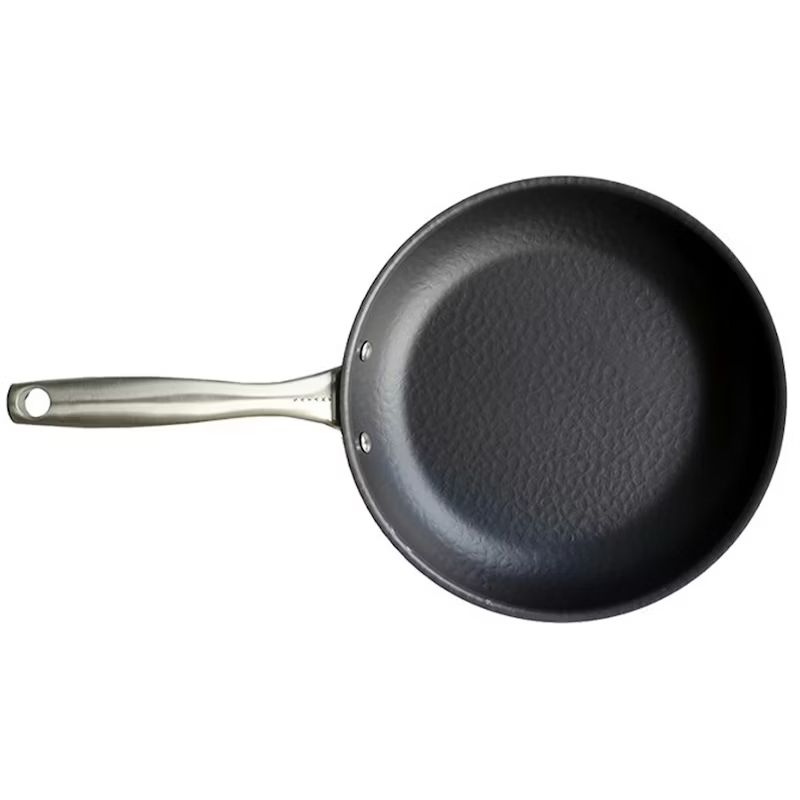
When we talk about “ceramic nonstick pans,” it’s important to understand that they aren’t made from the same kiln-fired clay as your grandmother’s ceramic casserole dish. Instead, these pans feature a metal base, typically aluminum, coated with a synthetic polymer layer that’s been reinforced with inorganic materials like silicon dioxide, a derivative of sand. This is often referred to as a “sol-gel” coating. The term “ceramic” comes from its slick, smooth, enamel-like appearance and feel, rather than its material composition in the traditional sense. This innovative coating provides a naturally nonstick surface, allowing food to slide off with minimal oil or butter.
The Promise of “Nontoxic”: Are Ceramic Coatings Truly PFAS-Free?
One of the biggest drivers behind the ceramic nonstick trend is the desire to move away from older nonstick coatings that historically used Per- and Polyfluoroalkyl Substances (PFAS), including PFOA (perfluorooctanoic acid) and PTFE (polytetrafluoroethylene), often known by the brand name Teflon. These “forever chemicals” have raised significant health concerns over the years.
The good news is that most ceramic nonstick pans on the market today are specifically formulated to be free from PFAS, PFOA, PTFE, lead, and cadmium. This commitment to avoiding these well-known harmful substances is a major reason why many home cooks feel confident choosing ceramic options, believing they are making a healthier choice. This transparency about what’s not in the pans is a significant step forward in kitchen safety, making many ceramic non stick pans safe alternatives in the eyes of conscious consumers.
However, the landscape of “nontoxic” claims can be a bit more nuanced. Because there isn’t a single, universally regulated standard for what constitutes a “ceramic coating,” manufacturers often use proprietary blends. While the absence of PFAS is a strong point, some independent tests have occasionally raised questions about other materials that might be present, such as certain metal oxide nanoparticles (like titanium dioxide) or other undisclosed polymer byproducts. These substances, while potentially considered safe in their bulk form, sometimes lack extensive long-term research regarding their safety in cookware coatings, especially when exposed to heat or wear.
Navigating Potential Concerns: What to Watch Out For
The primary concern with some ceramic nonstick pans, beyond the widely publicized PFAS issue, revolves around the transparency of their exact chemical composition. Some independent analyses have detected the presence of titanium dioxide nanoparticles in the coatings of certain ceramic-coated brands. While titanium dioxide is common and generally considered safe in larger forms, the health implications of its nanoparticle form, particularly when potentially migrating into food, are still subjects of ongoing research. Some studies suggest links to neurotoxicity and intestinal inflammation, prompting its ban in food products in some regions like the European Union.
Furthermore, there’s a notable lack of federal limits for certain heavy metals like lead in ceramic cookware in some countries, including the United States, and minimal oversight on testing. This means while a brand claims to be lead-free, verification can be challenging unless they participate in robust third-party certification programs. This lack of full transparency and standardized regulation means consumers must be diligent. To truly ensure your ceramic non stick pans are safe, it’s crucial to look for brands that go beyond basic claims and offer specific certifications or provide detailed information about their manufacturing processes and materials.
Dr. Evelyn Reed, a distinguished material science expert specializing in culinary innovations, advises, “When evaluating new kitchen technologies like ceramic nonstick, consumers should prioritize brands demonstrating genuine transparency. Look beyond generic ‘nontoxic’ labels for clear declarations of what chemicals aren’t used, and ideally, seek out third-party certifications that validate these claims for ultimate peace of mind.”
Durability & Performance: A Realistic Look
While the health benefits of ceramic non stick pans safe coatings are a major draw, it’s also important to have realistic expectations about their durability. Ceramic nonstick coatings, while effective, are generally less resilient than traditional PTFE-based coatings. They tend to be more brittle and susceptible to chipping, scratching, and general wear and tear over time.
The slick, nonstick properties derive from the sol-gel layer, which, with repeated use, high heat exposure, and improper cleaning or utensil use, can degrade. This degradation doesn’t necessarily pose an immediate health risk in the same way that overheated PTFE might, as the underlying materials are typically inert. However, it significantly reduces the pan’s nonstick performance, making it less effective and more prone to food sticking. This shorter lifespan often means ceramic pans may need to be replaced more frequently than other types of cookware, impacting both your wallet and environmental footprint if not chosen wisely. Understanding these aspects helps manage expectations for how long your ceramic non stick pans are safe and effective.
How to Use and Care for Your Ceramic Nonstick Pans Safely
To maximize the lifespan and maintain the safety of your ceramic nonstick pans, proper care is paramount. Here’s how to keep them in top shape:
- Gentle Heat is Key: Ceramic coatings perform best under low to medium heat. High heat can cause the coating to break down more quickly, reducing its nonstick efficacy and potentially shortening the pan’s overall life. Avoid preheating an empty pan on high heat.
- Opt for Soft Utensils: Metal utensils are the archenemy of any nonstick coating. Always use wood, silicone, or nylon spatulas and spoons to prevent scratches and chips.
- Hand Wash with Care: Skip the dishwasher, as harsh detergents and high heat can damage the coating. Instead, hand wash your ceramic nonstick pan with warm, soapy water and a soft sponge. Avoid abrasive scrubbers or steel wool.
- Smart Storage: To prevent accidental scratches when storing, place a soft cloth or paper towel between stacked pans.
- Know When to Replace: No nonstick pan lasts forever. If your ceramic nonstick pan shows significant scratching, chipping, or if food consistently sticks despite proper care, it’s time to replace it. While scratched ceramic is generally considered safe as it doesn’t typically release toxic fumes like overheated PTFE, its performance will be compromised.
“Treat your ceramic nonstick pans with the care you’d give a favorite ceramic mug,” advises Dr. Reed. “Gentle heat, soft tools, and meticulous hand washing will significantly extend their nonstick life and ensure they remain safe for years of healthy cooking.”
Health Benefits and Considerations: Weighing the Evidence
The most significant health benefit of ceramic non stick pans safe options is the peace of mind they offer by largely eliminating concerns about PFAS chemicals like PFOA and PTFE. For many, avoiding these “forever chemicals” is a top priority, especially given growing research on their environmental persistence and potential health effects. When you choose a certified PFAS-free ceramic pan, you’re confidently cooking without exposure to these specific compounds.
Furthermore, because ceramic nonstick surfaces require less oil or butter for cooking, they can support healthier cooking habits by reducing fat intake. This makes them an excellent choice for those focused on lighter meals. Even if a ceramic pan gets scratched, it generally won’t release harmful fumes, unlike traditional PTFE coatings that can degrade and off-gas if severely overheated. This makes ceramic non stick pans safe even under minor wear and tear, though performance will decline. The key is consistent, careful use and knowing when to retire a pan that has seen better days.
Best Practices for Smart Ceramic Nonstick Pan Shopping
As an expert and strategic advisor for ADB Review, we empower you to choose wisely. To ensure you’re investing in truly reliable and ceramic non stick pans safe options, follow these guidelines:
- Look for Clear Labeling: Prioritize brands that explicitly state “PFAS-free,” “PFOA-free,” “PTFE-free,” “lead-free,” and “cadmium-free.” Specificity matters.
- Seek Third-Party Certifications: Reputable certifications, such as NSF 537 PFAS-Free, offer an extra layer of assurance. These certifications indicate that the product has undergone independent testing to verify its claims.
- Research Brand Transparency: Choose brands that are open about their materials and manufacturing processes. A company willing to share details about its coatings is generally more trustworthy.
- Read Reviews: Consumer reviews often provide valuable insights into the real-world durability and nonstick performance of pans.
Conclusion
In conclusion, when asking “Are ceramic non stick pans safe?”, the answer is largely a reassuring yes, especially when compared to the historical concerns surrounding older nonstick technologies. They offer a fantastic, often PFAS-free, option for everyday cooking that aligns with a healthier lifestyle. However, it’s crucial to approach the “nontoxic” claim with informed awareness. By understanding what ceramic nonstick coatings are made of, practicing diligent care, and prioritizing brands committed to transparency and third-party certifications, you can confidently enjoy the benefits of these versatile kitchen tools.
ADB Review is dedicated to guiding you through the complexities of modern kitchenware. With the right information and a little bit of care, your ceramic nonstick pans can be a safe, reliable, and delightful addition to your culinary arsenal, making every meal a smooth and worry-free experience.