Stepping into a modern kitchen, you’re greeted by a dazzling array of cookware, each promising culinary perfection. Among the shining stars, Ceramic Non Stick Pans have carved out a significant niche, captivating home cooks with their promise of effortless cooking and a healthier approach. In a world increasingly focused on well-being and sustainability, these sleek pans offer a compelling alternative to traditional options, redefining what it means to cook with confidence and ease. ADB Review is here to peel back the layers and reveal everything you need to know about making ceramic non stick pans a staple in your kitchen.
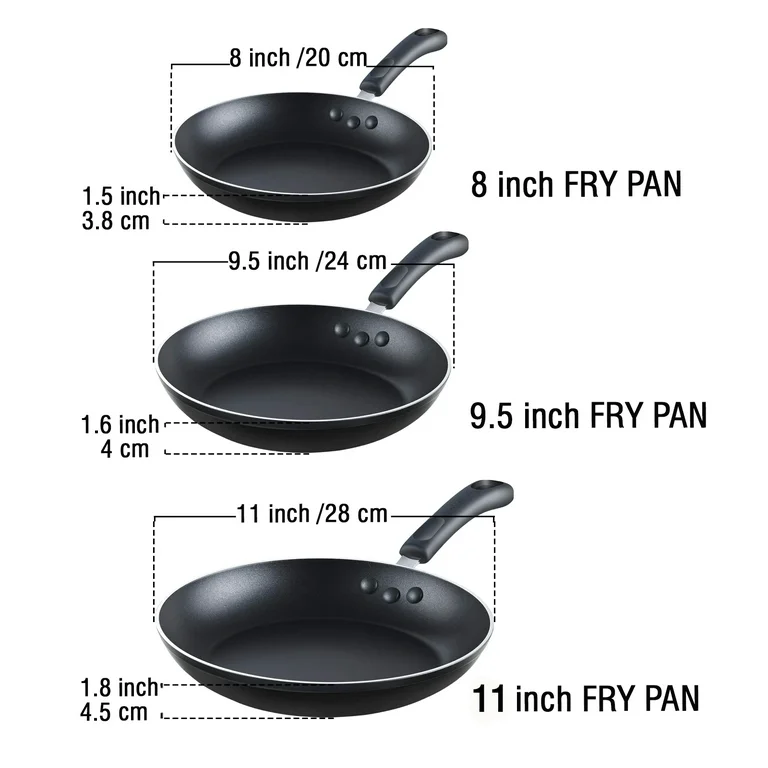
What Exactly Are Ceramic Non Stick Pans?
When we talk about ceramic non stick pans, it’s important to clarify what “ceramic” actually means in this context. Unlike traditional ceramic pottery or casserole dishes, which are made entirely of clay, modern ceramic non stick pans feature a metal base, typically aluminum or anodized steel, coated with a special, thin, slick layer. This coating is derived from silica, a natural mineral found in sand, and is applied using a sol-gel process. The result is a smooth, glass-like surface that provides excellent food release without the need for harmful chemicals. This distinction is crucial: you’re getting the benefits of a durable, heat-conductive metal pan, enhanced by a naturally derived non-stick surface.
The Green Revolution in Your Kitchen: Benefits and Safety
Choosing the right cookware is more than just about convenience; it’s about health and environmental consciousness. Ceramic non stick pans stand at the forefront of this green revolution, offering compelling advantages that resonate with today’s mindful cooks.
The PFAS-Free Promise: A Healthier Choice
Perhaps the most significant benefit of ceramic non stick pans is their commitment to a healthier cooking environment. These pans are proudly marketed as being free from PFOA (perfluorooctanoic acid), PTFE (polytetrafluoroethylene), and PFAS (per- and polyfluoroalkyl substances) – often referred to as “forever chemicals” due to their persistence in the environment and potential health concerns. This means you can cook with peace of mind, knowing that no potentially harmful chemicals are leaching into your food, even if your pan gets overheated. This focus on non-toxic materials aligns perfectly with a lifestyle dedicated to natural, wholesome meals, allowing you to use less oil and cook more cleanly.
High Heat, Less Worry (But Still Be Mindful)
While no non-stick pan is truly indestructible, ceramic coatings generally boast a higher heat tolerance compared to traditional PTFE surfaces, often reaching temperatures up to 700-800°F before the coating begins to degrade. This offers a bit more flexibility in the kitchen. However, for optimal longevity and to preserve their non-stick properties, it’s always best to cook with ceramic non stick pans over low to medium heat. Excessive high heat, especially when the pan is empty, can still lead to a quicker breakdown of the coating over time, diminishing that coveted easy-release surface.
Mastering Your Ceramic Non Stick Pan: Usage and Tips
Getting the most out of your ceramic non stick pan means understanding a few simple best practices. These habits will ensure your pan remains a reliable workhorse in your kitchen for years to come.
The Gentle Touch: Utensils and Heat Settings
Think of your ceramic non stick pan as a prized possession that appreciates a gentle touch. Always opt for wooden, silicone, or nylon utensils to avoid scratching or chipping the delicate non-stick surface. Metal utensils are a definite no-go. When it comes to heat, consistency is key. Ceramic pans excel at even heat distribution, so cooking on low to medium settings is usually sufficient for most tasks. Avoid preheating an empty pan on high heat for extended periods, as this can shock the coating and accelerate wear. As culinary expert Chef Anya Sharma often advises, “A little patience with heat will go a long way in preserving your ceramic non stick pan’s effortless performance.”
Oils, Sprays, and How to Get the Best Release
While the non-stick properties of these pans are excellent, a small amount of cooking oil or butter can enhance food release and flavor. However, be cautious with aerosol cooking sprays. These sprays can leave a sticky residue that builds up over time and degrades the non-stick surface. Similarly, extra virgin olive oil, with its lower smoke point, can sometimes burn and create a film on the pan at higher temperatures. For best results, use oils with higher smoke points like avocado, grapeseed, or refined coconut oil, applied sparingly.
Keeping Your Ceramic Pan Pristine: Cleaning and Maintenance
Proper care is paramount to maintaining the performance and longevity of your ceramic non stick pan. A few mindful steps will keep it looking and performing like new.
The Golden Rules of Cleaning
First and foremost, allow your pan to cool down completely before washing. Plunging a hot pan into cold water can cause thermal shock, potentially leading to warping or damaging the non-stick coating. Once cool, hand washing is highly recommended, even if your pan is labeled “dishwasher safe.” Use warm, soapy water and a soft sponge or cloth. Steer clear of abrasive scrubbers like steel wool or scouring pads, as these will scratch the surface and compromise its non-stick qualities. Rinse thoroughly and dry immediately to prevent water spots and maintain the pan’s pristine appearance.
Tackling Stubborn Stains and Restoring Non-Stick
Occasionally, even with the best care, you might encounter stubborn food residue or slight discoloration. For these instances, a gentle baking soda paste can work wonders. Mix two tablespoons of baking soda with a little water to form a thick paste, apply it to the stained areas, let it sit for 10-15 minutes, then gently scrub with a soft sponge, rinse, and dry. For discoloration, a white vinegar solution can also be effective. If your pan’s non-stick performance seems to wane over time, sometimes it’s due to a thin film of polymerized oil buildup. A thorough cleaning to remove this film, or in some cases, a light “re-seasoning” by rubbing a thin layer of a recommended oil (like soybean) and gently heating it, can help revitalize the surface.
Smart Storage for Longevity
How you store your ceramic non stick pans can significantly impact their lifespan. To prevent scratches and chips, avoid stacking them directly on top of each other without protection. Use pan protectors, felt liners, or even a paper towel between stacked pans. Hanging your pans or storing them in a dedicated rack are also excellent ways to keep their surfaces intact and ready for your next culinary adventure.
Ceramic Non Stick vs. Traditional Non Stick: A Quick Glance
To help you navigate the cookware landscape, here’s a brief comparison between ceramic non stick and traditional PTFE (Teflon) coated pans:
| Feature | Ceramic Non Stick Pans | Traditional PTFE (Teflon) Pans |
|---|---|---|
| Non-Stick Coating | Silica-derived (sand-based) | Fluoropolymer (PTFE) |
| Chemicals | Generally PFOA, PTFE, PFAS-free | PFOA-free since 2014 in US, but still use PTFE/other PFAS |
| Heat Tolerance | Higher (up to 700-800°F before breakdown), but low-medium recommended for longevity. | Lower (around 500°F before potential fume release). |
| Durability | Good initial non-stick, can degrade faster without proper care. More brittle. | Excellent initial non-stick, can be more forgiving if not overheated. |
| Utensils | Wood, silicone, nylon only. | Wood, silicone, nylon only. |
| Environmental Impact | Often marketed as “greener” or “eco-friendly”. | Production can involve chemicals with environmental concerns. |
Expert Insights: What the Pros Say
“In my experience, ceramic non stick pans offer an exceptional cooking surface for everyday meals, especially for delicate foods like eggs and fish,” says renowned culinary consultant, Dr. Evelyn Thorne. “Their PFOA-free nature is a huge plus for health-conscious cooks. The key is to treat them with the respect they deserve: low to medium heat, non-abrasive tools, and gentle cleaning will ensure they deliver consistent results meal after meal.”
Frequently Asked Questions About Ceramic Non Stick Pans
Understanding the nuances of your cookware can make all the difference. Here are some common questions about ceramic non stick pans:
Are ceramic pans truly non-toxic?
Yes, most ceramic non stick pans are manufactured without PFOA, PTFE, and PFAS, which were chemicals historically associated with health concerns in traditional non-stick coatings. This makes them a popular choice for those seeking a healthier and more environmentally friendly cooking option.
How long do ceramic non stick pans typically last?
With proper care, a good quality ceramic non stick pan can last several years. However, their lifespan is highly dependent on usage, heat management, and cleaning practices. Overheating, using metal utensils, and harsh cleaning can significantly shorten their effective non-stick life.
Can I use my ceramic pan in the dishwasher?
While some ceramic non stick pans are labeled “dishwasher safe,” hand washing is generally recommended. The harsh detergents and high temperatures in dishwashers can be abrasive to the ceramic coating, causing it to degrade faster over time.
What type of oil is best for ceramic non stick pans?
It’s best to use a small amount of cooking oil or butter with a high smoke point, such as avocado oil, grapeseed oil, or refined coconut oil. Avoid aerosol cooking sprays, which can leave a sticky residue that builds up and harms the non-stick surface.
Can I use metal spatulas on ceramic non stick pans?
No, it is strongly advised to avoid using metal utensils on ceramic non stick pans. Metal can scratch, chip, or damage the ceramic coating, compromising its non-stick properties and potentially reducing the pan’s lifespan. Stick to wood, silicone, or nylon tools.
Your Kitchen, Reimagined: The Future of Cooking with Ceramic
The journey of cooking is deeply personal, and the tools you choose play a pivotal role in shaping that experience. Ceramic non stick pans represent a thoughtful evolution in cookware, blending convenience with a commitment to health and environmental responsibility. They empower you to create delicious, effortless meals with less oil and greater peace of mind. At ADB Review, we champion informed choices that elevate your culinary adventures. By understanding the unique qualities and care requirements of these innovative pans, you’re not just investing in a piece of cookware; you’re embracing a smarter, healthier, and more sustainable way to cook. It’s time to reimagine your kitchen and let the magic of ceramic non stick transform your everyday cooking.