Stepping into the kitchen these days, it feels like we’re constantly chasing that perfect balance: delicious meals, easy cleanup, and a healthy approach to cooking. For many, the answer lies squarely in the embrace of a Ceramic Non Stick Frying Pan. If you’ve been curious about these sleek, efficient pieces of cookware, or perhaps you own one and want to get the absolute best out of it, you’ve come to the right place. These aren’t just any pans; they represent a significant leap forward in home cooking, designed to make your culinary adventures smoother and more enjoyable. Let’s delve into why the ceramic non stick frying pan has become a must-have in modern kitchens, offering a fresh perspective on a familiar favorite.
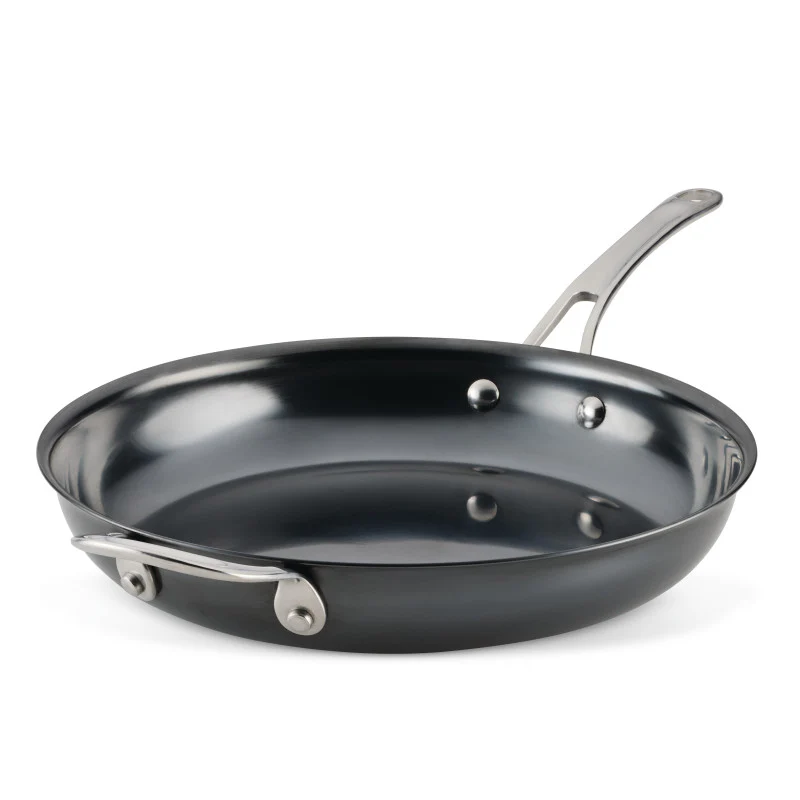
What Makes a Ceramic Non Stick Frying Pan So Special?
Think about your grandma’s old cast iron skillet – a workhorse, no doubt, but one that demanded heavy lifting and meticulous seasoning. Then came the age of traditional non-stick, a revelation for sticky eggs but often accompanied by concerns about chemical coatings. Enter the ceramic non stick frying pan, a true game-changer. These pans offer a delightful middle ground, providing the incredible non-stick performance you crave without some of the historical worries.
The story of non-stick cookware began with groundbreaking discoveries in polymer science, primarily PTFE (polytetrafluoroethylene), commonly known by brand names like Teflon. While revolutionary, these earlier coatings sometimes raised questions regarding their durability and potential health implications, especially when overheated. This paved the way for innovation. Manufacturers began exploring alternative materials, striving for safer, more environmentally conscious options. The evolution led to the development of ceramic non-stick coatings, which typically emerged as a popular choice in the early 21st century. Unlike their predecessors, these newer coatings are generally made from inorganic materials, often derived from sand (silicon dioxide), applied as a gel and then cured at high temperatures. This innovative approach offers a fresh take on preventing food from sticking, moving away from fluoropolymer chemicals to a more mineral-based solution.
Understanding the Core: Materials and Construction
At the heart of every effective ceramic non stick frying pan is a carefully crafted combination of materials. The star of the show, of course, is the ceramic non-stick coating itself. Far from being actual pottery, this “ceramic” refers to a silica-based gel that’s sprayed onto the pan and then baked. This process creates a smooth, dense layer that’s exceptionally good at preventing food from adhering. One of the key advantages of this coating is that it’s often free from PFOA (perfluorooctanoic acid) and PFOS (perfluorooctanesulfonic acid), chemicals that were historically used in the manufacturing of traditional non-stick coatings and have raised environmental and health concerns.
Beneath this clever ceramic layer, you’ll find the pan’s core material, which significantly impacts its performance. The most common choice is aluminum, favored for its excellent heat conductivity and lightweight nature. This means your ceramic non stick frying pan heats up quickly and evenly, reducing hot spots that can scorch your food. Another popular option is stainless steel, often used for its durability and magnetic properties, making it suitable for induction cooktops. Sometimes, you’ll even find hybrid designs, such as an aluminum core encased in stainless steel, offering the best of both worlds. This thoughtful construction ensures that your ceramic non stick frying pan isn’t just about easy release but also about consistent, reliable cooking results every single time.
Mastering the Art of Cooking with Your Ceramic Non Stick Frying Pan
Getting the most out of your ceramic non stick frying pan isn’t rocket science, but a few simple habits can dramatically extend its life and performance. Think of it as a dance: understanding your partner makes for a much smoother experience.
How do I properly season my ceramic non stick pan?
While many ceramic non stick pans come pre-seasoned, a light initial seasoning can enhance durability. Simply wash the pan, dry it thoroughly, then add a tiny amount of cooking oil (about a teaspoon). Rub it over the entire non-stick surface with a paper towel, then heat the pan over low heat for about 30 seconds. Let it cool completely and wipe away any excess oil. This creates a protective layer, much like a good moisturizer for your skin.
What’s the best heat setting for ceramic non stick?
The sweet spot for a ceramic non stick frying pan is almost always medium to medium-low heat. High heat is the archenemy of most non-stick surfaces, and ceramic is no exception. Overheating can cause the coating to degrade prematurely, leading to food sticking and a shorter lifespan for your beloved pan. Remember, these pans are incredibly efficient, so you often don’t need roaring flames to achieve excellent results.
When you start cooking, a gentle preheat is key. Place your empty pan on the burner over medium-low heat for a minute or two before adding oil and ingredients. This allows the heat to distribute evenly across the surface. Once you add your food, use wooden, silicone, or plastic utensils to protect the delicate non-stick surface. Metal utensils are a no-go; they can scratch and damage the coating, undoing all the benefits of your ceramic non stick frying pan.
Keeping Your Ceramic Non Stick Frying Pan in Pristine Condition
Taking care of your ceramic non stick frying pan is surprisingly simple, and a little effort goes a long way in maintaining its superior performance. Proper cleaning and storage are the pillars of longevity.
After cooking, resist the urge to immediately plunge a hot pan into cold water. This thermal shock can warp the pan and potentially damage the non-stick coating. Instead, let your pan cool down to room temperature. Once cool, cleaning is usually a breeze. A soft sponge or cloth, warm water, and a mild dish soap are all you need. Gently wipe away food residue – you’ll often find that most things slide right off. Avoid abrasive scrubbers, steel wool, or harsh chemical cleaners, as these can scratch or degrade the ceramic surface.
For storage, be mindful of how you stack your pans. If you must stack your ceramic non stick frying pan with other cookware, always place a soft cloth, paper towel, or pan protector between them. This prevents scratches and chips that can occur when metal rubs against the non-stick surface. Hanging your pan from a pot rack is an even better option if space allows, ensuring no contact with other kitchen tools.
The Health and Culinary Benefits of Ceramic Non Stick Cookware
The appeal of the ceramic non stick frying pan goes far beyond just easy cleaning; it extends deeply into the realms of health and culinary excellence. For those of us looking to reduce fat intake, these pans are a dream come true. Their exceptional non-stick properties mean you can often cook with little to no oil, or at least significantly less than you would with traditional stainless steel or cast iron. This reduction in cooking fats translates directly into lighter, healthier meals, supporting your wellness goals without sacrificing flavor.
Furthermore, as Dr. Elara Vance, a distinguished Culinary Material Scientist, often points out, “The modern ceramic non stick frying pan offers a reassuring alternative for health-conscious cooks. Its PFOA and PFOS-free composition provides peace of mind, allowing home chefs to focus on the joy of cooking nutritious meals without concern over legacy chemical byproducts.” This commitment to safety, coupled with the ability to cook with less oil, makes ceramic non stick a smart choice for any health-focused kitchen.
Beyond health, these pans are culinary workhorses. Their even heat distribution ensures that your food cooks uniformly, preventing burnt edges and undercooked centers. Whether you’re gently scrambling eggs, perfectly searing a delicate piece of fish, or crafting fluffy pancakes, the ceramic non stick frying pan delivers consistent, delicious results. It empowers you to tackle a wider range of dishes with confidence, knowing that sticking will be a distant memory.
What Can You Cook in a Ceramic Non Stick Frying Pan?
The versatility of a ceramic non stick frying pan is one of its greatest assets, but understanding its strengths and limitations will unlock its full potential.
It absolutely shines with delicate foods that are prone to sticking. Think about those perfect Sunday morning pancakes or crepes that slide effortlessly onto the plate. Eggs in all their forms – scrambled, fried, or in an omelet – are a joy to cook, requiring minimal oil and cleanup. Delicate fish fillets, chicken breasts, and vegetables that need a gentle sauté also benefit immensely from the even heat and non-stick surface. Even grilled cheese sandwiches turn out beautifully golden and crispy.
However, there are certain culinary tasks where your ceramic non stick frying pan might not be the best tool for the job. High-heat searing, like achieving a deep, crusty sear on a steak or stovetop browning for stews, is generally best reserved for stainless steel or cast iron pans. The intense heat required for these techniques can damage the ceramic coating over time, diminishing its non-stick properties. Similarly, cooking highly acidic foods like tomato sauces or lemon-based dishes for extended periods can also be detrimental to the coating, especially if it’s already showing signs of wear. Stick to quick cooking with these ingredients, or opt for stainless steel for longer simmering tasks.
Frequently Asked Questions About Ceramic Non Stick Frying Pans
You’ve got questions, and we’ve got answers. Here are some of the most common inquiries about the beloved ceramic non stick frying pan.
How long does a ceramic non stick frying pan last?
The lifespan of a ceramic non stick frying pan varies widely based on usage and care, but generally, with proper maintenance, you can expect it to last anywhere from 1 to 5 years. Avoiding high heat, using gentle utensils, and proper cleaning are key to extending its life.
Are ceramic non stick pans truly safe?
Yes, modern ceramic non stick frying pans are generally considered safe. Most are manufactured without PFOA, PFOS, cadmium, or lead. Always check the manufacturer’s specifications for peace of mind, but their mineral-based coatings are a reassuring alternative to older chemical non-stick.
Can I put my ceramic non stick pan in the dishwasher?
While some ceramic non stick pans are labeled “dishwasher safe,” handwashing is almost always recommended to preserve the non-stick coating and extend the pan’s life. Dishwasher detergents can be harsh, and the high heat cycles can degrade the surface over time.
What types of oils are best for ceramic non stick?
For ceramic non stick pans, it’s best to use oils with a medium to high smoke point, such as canola oil, grapeseed oil, sunflower oil, or refined olive oil. Avoid extra virgin olive oil and cooking sprays, as they can burn at lower temperatures and leave a sticky residue that’s difficult to remove and can damage the non-stick surface.
How do I restore the non-stick property of my pan?
Unfortunately, once the ceramic non stick coating is damaged or significantly degraded, its non-stick properties cannot be fully restored. Prevention through proper care is the best strategy. If food starts sticking consistently, it’s a sign that your pan is nearing the end of its useful life and it might be time for a replacement.
Cook with Confidence: The Ceramic Non Stick Frying Pan Awaits
The ceramic non stick frying pan has undeniably earned its place in our kitchens, offering a harmonious blend of health, convenience, and culinary performance. From its innovative, PFOA-free coating to its efficient heat distribution, it’s designed to simplify your cooking experience and elevate your dishes. By understanding its unique properties and committing to a few simple care routines, you can unlock years of effortless cooking, turning tricky tasks into triumphs. So, go ahead, embrace the future of non-stick, and let your ceramic non stick frying pan be the reliable companion that helps you cook smarter, not harder, bringing joy and ease to every meal.