Cooking should be a joy, not a battle against stuck-on food. For home cooks and culinary enthusiasts alike, a truly reliable nonstick frying pan is an indispensable kitchen ally, transforming sticky situations into seamless culinary triumphs. But with countless options flooding the market, how do you sift through the noise to find the Best Rated Non Stick Pans? That’s where ADB Review steps in, cutting through the marketing jargon to bring you clarity and confidence in your next kitchen investment.
For generations, the promise of food sliding effortlessly from pan to plate has captivated cooks. The journey of the nonstick pan began with the revolutionary discovery of polytetrafluoroethylene (PTFE), commonly known as Teflon. While PTFE coatings dramatically simplified cooking and cleanup, early formulations raised health concerns, particularly regarding perfluorooctanoic acid (PFOA) used in manufacturing. Thankfully, the industry has evolved. Today, the best rated non stick pans are overwhelmingly PFOA-free, and many brands are pushing further, embracing PFAS-free technologies to offer safer, more environmentally conscious options. This evolution means you can enjoy the convenience of nonstick without unnecessary worry, focusing instead on perfecting your omelets and delicate fish dishes.
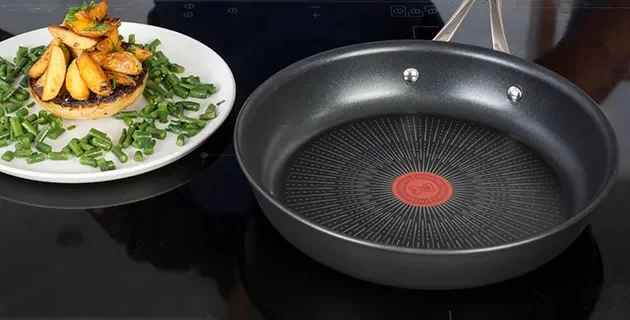
Decoding Nonstick Technology: Materials and Coatings that Matter
Understanding the core technologies behind nonstick surfaces is crucial for making an informed choice. Different materials offer varying levels of durability, heat conductivity, and nonstick performance.
PTFE-Based Coatings
Modern PTFE coatings are advanced formulations that are PFOA-free, addressing past health concerns. These pans are renowned for their exceptional slickness, making them perfect for delicate foods like eggs, pancakes, and crepes. They typically offer excellent food release and are easy to clean, but often require gentle handling and lower heat settings to preserve the coating’s integrity. Brands like Misen utilize sophisticated multi-layer PTFE systems, like a three-layer platinum coating, to enhance durability and performance.
Ceramic Nonstick Coatings
For those seeking alternatives to traditional PTFE, ceramic nonstick pans have gained immense popularity. These coatings are typically derived from sand (silicon dioxide) and are often marketed as “natural” or “green.” They are generally free from PFOA, PFAS, lead, and cadmium. Pans like the Made In Cookware CeramiClad and GreenPan GP5 Infinite8 are prime examples of highly-rated ceramic options. They often boast a smooth, sometimes uniquely colored surface, and while they offer good nonstick properties, their durability can vary between brands and models. They usually excel at medium heat and are great for achieving a light golden sear.
Hybrid Pans: The Best of Both Worlds?
Imagine a pan that offers the searing power of stainless steel with the nonstick release you crave. That’s the promise of hybrid pans, best exemplified by the HexClad Hybrid Fry Pan. These innovative pans feature a textured surface—often a hexagonal pattern—where stainless steel peaks protect recessed nonstick valleys. This design allows for excellent searing and browning, superior durability (even metal utensil compatibility in some cases), and remarkably easy cleanup. They are often PFAS-free and are particularly favored by those who want versatility for both delicate cooking and more robust tasks.
Hard-Anodized Aluminum
Many nonstick pans, regardless of their top coating, use hard-anodized aluminum as their base material. This process hardens the aluminum, making it more durable, corrosion-resistant, and an excellent conductor of heat. Brands like All-Clad and Tramontina frequently employ hard-anodized aluminum, providing a robust and evenly heating foundation for their nonstick surfaces. This construction ensures that heat is distributed consistently across the cooking surface, preventing frustrating hot spots that can ruin a dish.
What Makes a Nonstick Pan “Best Rated”? Key Factors to Consider
When evaluating the best rated non stick pans, several critical factors come into play, influencing performance, longevity, and overall user satisfaction.
Q: What is the most important factor for a nonstick pan’s performance?
A: The most important factor is its nonstick release. A truly great nonstick pan allows food, even notoriously sticky items like eggs or delicate fish, to slide effortlessly across the surface and onto the plate with minimal or no added oil. This ensures consistent results and hassle-free cooking.
Heat Distribution: The Unsung Hero
Even heat distribution is paramount for consistent cooking. Pans that heat unevenly lead to burnt spots and undercooked areas. High-quality nonstick pans, often with thick bases or multi-ply construction, ensure that heat spreads uniformly, allowing everything from a single egg to a batch of pancakes to cook perfectly.
Durability and Longevity
No one wants a pan that loses its nonstick prowess after a few months. The best rated non stick pans demonstrate impressive durability, resisting scratches, peeling, and warping. This often comes down to the quality of the coating and the pan’s overall construction. While no nonstick pan is truly indestructible, advanced coatings and robust materials significantly extend their lifespan.
Health and Safety: PFOA/PFAS-Free Assurance
With growing awareness of chemical exposure, health-conscious consumers prioritize pans that are PFOA-free and, increasingly, PFAS-free. Reputable brands are transparent about their coatings, providing peace of mind that your cookware won’t leach harmful substances into your food.
Versatility: Oven-Safe and Induction Compatible
Modern kitchens often demand versatility. An oven-safe nonstick pan allows you to start a dish on the stovetop and finish it in the oven, opening up a world of recipes. Induction compatibility is also a must for those with induction cooktops, ensuring your pan works with your appliance. Check the manufacturer’s specifications for temperature limits and cooktop compatibility.
Handle Design and Comfort
A well-designed handle makes a world of difference. It should offer a comfortable, secure grip, remain cool to the touch during stovetop cooking, and be securely attached to the pan. Materials like silicone or stainless steel are common, each offering different benefits in terms of heat resistance and tactile feel.
Ease of Cleaning
One of the primary appeals of nonstick is easy cleanup. The best rated non stick pans typically wipe clean with minimal effort. While some are dishwasher-safe, handwashing is often recommended to preserve the coating’s life, preventing harsh detergents and high heat from degrading the surface.
Top Contenders in the Nonstick Arena: Our Picks for 2025
After extensive testing and review, several brands consistently rise to the top for their exceptional performance and reliability.
- Best Overall for All-Around Performance: The Made In Cookware CeramiClad Non Stick Frying Pan consistently impresses with its superior nonstick release for delicate foods and robust construction. Its unique ceramic-clad surface provides a reliable cooking experience.
- Best Value Pick: The Tramontina Professional Nonstick Restaurant Fry Pan stands out for its professional-grade performance at an accessible price point. It’s PFOA-free, oven-safe, and delivers excellent heat distribution.
- Best for Durability and Searing: For those who crave searing capabilities without sacrificing nonstick properties, the HexClad Hybrid Fry Pan is a game-changer. Its innovative hybrid design allows for metal utensil use and a fantastic sear, making it incredibly versatile.
- Best Ceramic Option: The GreenPan GP5 Infinite8 Ceramic Nonstick Frypan Set offers a highly durable, ceramic nonstick surface that’s PFAS-free and performs beautifully for everyday cooking, delivering crispy results and easy food release.
- Another Highly Recommended: The OXO Nonstick Pro Fry Pan is celebrated for being lightweight, durable, and offering excellent nonstick performance for everyday tasks, particularly eggs and omelets.
“Choosing the right nonstick pan isn’t just about avoiding sticking,” advises Amelia Sterling, a seasoned culinary product analyst. “It’s about understanding your cooking habits. If you often cook delicate items, prioritize pure nonstick release. If you want a workhorse for searing and general cooking, a hybrid might be your best bet. Always consider how you’ll use it most.”
Mastering Your Nonstick Pan: Usage and Care for Extended Life
Even the best rated non stick pans require a bit of TLC to maintain their performance and longevity.
- Proper Heating is Key: Avoid preheating an empty nonstick pan on high heat. This can damage the coating. Instead, heat it gradually over medium-low to medium heat, adding a small amount of oil or butter.
- Choose the Right Utensils: While some advanced hybrid pans claim metal utensil compatibility (like HexClad), it’s generally best practice to use silicone, wooden, or heat-resistant plastic utensils to protect the nonstick surface from scratches.
- Gentle Cleaning: Handwash your nonstick pans with warm, soapy water and a soft sponge or cloth. Avoid abrasive scrubbers or harsh detergents, which can degrade the coating. For stubborn bits, soak the pan for a few minutes before cleaning. Even if a pan is labeled “dishwasher safe,” handwashing often prolongs its life.
- Smart Storage: Protect the nonstick surface from scratches during storage. Place a paper towel or a pan protector between stacked pans. Hanging pans is an ideal solution if space allows.
Beyond Eggs: Best Dishes for Your Nonstick Pan
Nonstick pans are celebrated for their ability to handle delicate foods, but their versatility extends far beyond breakfast staples.
- Perfect for:
- Eggs: Fried, scrambled, omelets, frittatas – they all slide out beautifully.
- Pancakes, Crepes, and Waffles: Achieve an even golden-brown crust without tearing.
- Delicate Fish: Salmon, cod, or tilapia cook beautifully without skin sticking.
- Stir-fries and Sautéing: Minimizes oil and makes cleanup a breeze.
- Cheese-based Dishes: Quesadillas or grilled cheese won’t stick.
- Foods to Approach with Caution (or Use a Different Pan):
- High-Heat Searing: While hybrid pans can handle this, traditional nonstick coatings can degrade under very high temperatures (above 500°F/260°C). For searing steaks or achieving a dark crust, cast iron or stainless steel might be better.
- Baking with High Acidity: While occasional use is fine, prolonged cooking of highly acidic foods (like tomato sauces) can sometimes affect certain nonstick coatings over time.
Common Questions About Nonstick Pans
Q: Are all nonstick pans truly safe?
A: Modern nonstick pans are generally considered safe, especially those labeled PFOA-free. Many manufacturers are now also producing PFAS-free options, further enhancing safety. Always look for these labels when purchasing.
Q: How often should I replace my nonstick pan?
A: The lifespan of a nonstick pan varies greatly depending on its quality and how it’s used and cared for. A good rule of thumb is to replace it when the nonstick coating starts to visibly chip, flake, or when food consistently begins to stick, as this indicates the coating has degraded.
Q: Can I use metal utensils on my nonstick pan?
A: For most traditional nonstick pans, it’s best to avoid metal utensils to prevent scratching and damaging the coating. However, some advanced hybrid pans, like HexClad, are designed to withstand metal utensils due to their unique construction. Always check the manufacturer’s recommendations.
Q: Are ceramic nonstick pans more durable than traditional nonstick?
A: Ceramic nonstick pans can offer good durability, but it varies widely by brand and specific product. While often resistant to scratches, some ceramic coatings can be less durable against impact or very high heat compared to the best PTFE-based or hybrid options. Proper care is essential for both types.
Q: What’s the best way to clean a nonstick pan?
A: The best way to clean a nonstick pan is by handwashing it with warm, soapy water and a soft sponge or cloth immediately after use, once it has cooled down. Avoid abrasive cleaners, steel wool, or harsh scrubbing pads to protect the nonstick surface.
Elevate Your Everyday Cooking
Investing in one of the best rated non stick pans can genuinely transform your daily cooking experience. From perfect morning eggs that glide onto your plate to delicate fish fillets cooked to perfection, a quality nonstick pan simplifies meal preparation and cleanup, making time in the kitchen more enjoyable. We at ADB Review are dedicated to helping you make informed choices, ensuring your kitchen is equipped with tools that truly enhance your culinary journey. So, go ahead, explore the possibilities, and rediscover the joy of effortless cooking!