Stepping into the kitchen should be an adventure, not a chore, and at the heart of that experience lies a reliable nonstick pan set. For home cooks and culinary enthusiasts alike, the right cookware transforms everyday meals into delightful creations, ensuring effortless cooking and, perhaps even more importantly, fuss-free cleanup. If you’re looking to elevate your cooking game or simply replace worn-out essentials, finding the Best Nonstick Pan Set is an investment in both your culinary skills and your peace of mind.
Gone are the days of scrubbing stubborn, stuck-on food. Modern nonstick technology has revolutionized how we approach everything from delicate omelets to perfectly seared fish. This article will guide you through the exciting world of nonstick cookware, exploring its evolution, understanding material science, and revealing what truly sets apart the top contenders. Prepare to discover how the right set can make your time in the kitchen genuinely enjoyable.
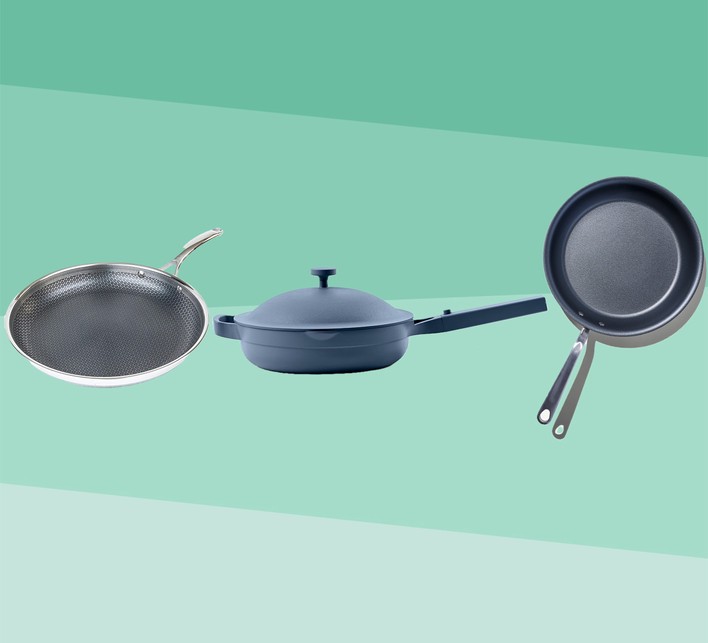
The Evolution of Nonstick Cookware
Nonstick cookware, as we know it today, began its journey with the introduction of PTFE (polytetrafluoroethylene), famously known as Teflon, in the mid-20th century. This innovative material brought unprecedented convenience to kitchens worldwide, promising food release without struggle and significantly easier cleaning. Over the decades, the technology has evolved considerably, driven by a desire for enhanced durability, improved heat distribution, and, crucially, greater health consciousness. Today, manufacturers continually innovate, introducing new coating types and base materials to create cookware that meets the demands of contemporary cooking.
Understanding Your Nonstick Pan Set: Materials and Construction
The magic of a nonstick pan set lies not just in its slippery surface but also in the robust materials beneath. The core construction and coating type are critical determinants of performance, longevity, and safety.
The Foundation: Core Materials
Most nonstick pans feature a core of either aluminum or stainless steel, each offering distinct advantages. Aluminum is a popular choice for its lightweight nature and exceptional heat conductivity, allowing pans to heat up quickly and evenly. However, it can be prone to denting. Hard-anodized aluminum takes this a step further; it’s aluminum that has undergone an electrochemical process, creating a significantly harder, more durable, and corrosion-resistant surface before the nonstick coating is applied. This makes it a fantastic foundation for a durable nonstick pan.
Stainless steel, on the other hand, is renowned for its durability and resistance to warping. While it doesn’t conduct heat as quickly as aluminum, a multi-ply construction (often with an aluminum core sandwiched between layers of stainless steel) can provide excellent heat distribution and retention. These robust bases also contribute to induction compatibility, making them suitable for a wider range of stovetops.
The Nonstick Surface: Coating Types
When it comes to the actual nonstick surface, you’ll primarily encounter two main categories:
- PTFE-based Coatings: These are the traditional nonstick surfaces, offering superb food release. Modern PTFE coatings are generally considered safe for everyday cooking when used correctly, avoiding extreme high heat and metal utensils.
- Ceramic Coatings: Gaining popularity, ceramic nonstick coatings are typically derived from natural materials like sand (silica). They are often marketed as “nontoxic” because they are free from PTFE, PFOA, lead, and cadmium. While offering excellent nonstick properties initially, some ceramic coatings may wear down faster than their PTFE counterparts and often require a bit more careful handling to maintain their performance. Brands like GreenPan and Caraway are well-known for their ceramic nonstick offerings.
“The choice between a PTFE and ceramic coating often comes down to personal priorities,” advises Dr. Anya Sharma, a culinary materials scientist. “While both can offer excellent nonstick performance, ceramic options appeal to those seeking alternatives to traditional fluoropolymer chemistry, though they may demand a slightly more gentle touch in the kitchen for maximum lifespan.”
Beyond the Surface: Health and Safety Considerations
In recent years, health and safety concerns surrounding nonstick cookware, particularly regarding certain chemicals, have become a major talking point. Many consumers are actively seeking a nonstick pan set that is PFOA-free and, increasingly, PFAS-free.
PFOA (perfluorooctanoic acid) was historically used in the manufacturing of some nonstick coatings but has been phased out due to environmental and health concerns. Today, most reputable nonstick cookware is PFOA-free. The broader term PFAS (per- and polyfluoroalkyl substances) encompasses a wide range of chemicals, some of which are used in current nonstick formulations. While manufacturers ensure their products meet safety standards, those looking to minimize exposure can opt for ceramic-coated nonstick pan sets, which explicitly state they are PFAS-free.
The key to safe nonstick cooking, regardless of coating type, is proper usage. Avoid overheating empty pans and replace any pan where the nonstick coating is visibly chipped, flaking, or scratched.
Making the Most of Your Investment: Use and Care Tips
To ensure your best nonstick pan set remains a joy to use for years, proper care is paramount.
Do’s:
- Preheat Gently: Nonstick pans heat quickly. Use low to medium heat for most cooking tasks. Overheating, especially with an empty pan, can damage the coating.
- Use the Right Utensils: Opt for silicone, wood, or plastic utensils. Even if a manufacturer claims metal utensil safety, softer materials will significantly extend the life of your nonstick surface.
- Handwash with Care: While some nonstick sets claim to be dishwasher-safe, handwashing with warm, soapy water and a soft sponge is always recommended. Dishwasher detergents can be harsh and abrasive, potentially degrading the coating over time.
- Store Properly: Prevent scratches by placing soft cloths or pan protectors between pans if stacking them. Many high-quality sets, like Caraway, even come with clever storage solutions to prevent scratching.
Don’ts:
- Avoid High Heat: Nonstick coatings are generally not designed for very high-heat searing, which can damage the surface and potentially release fumes.
- No Aerosol Sprays: Nonstick cooking sprays can leave a residue that builds up over time, eventually causing food to stick. Use a small amount of liquid oil or butter instead.
- Don’t Use Abrasive Cleaners: Steel wool or harsh scrubbing pads will scratch and damage the nonstick surface.
Deciphering the Options: What to Look for in a Best Nonstick Pan Set
When selecting the perfect nonstick pan set, consider these factors to match your cooking style and kitchen needs:
Set Composition
A complete nonstick pan set typically includes a variety of pieces:
- Frying Pans/Skillets: Essential for eggs, pancakes, and sautéing. Look for different sizes (e.g., 8-inch, 10-inch, 12-inch).
- Saucepans: Ideal for sauces, grains, and small batches of soup. Usually come with lids and in various quart sizes.
- Sauté Pans: Larger, deeper pans with straight sides, perfect for one-pan meals or braising.
- Stockpots: For larger volumes of liquids, pasta, or big batches of soup.
Consider if you need a full overhaul or just a few key items. Experts often advise against sets that include too many “gimmicky” utensils, suggesting you’re better off investing in quality cookware pieces.
Cooktop Compatibility
Ensure the set is compatible with your stovetop. Most nonstick pans work on gas and electric ranges, but if you have an induction cooktop, you’ll need pans with a magnetic base (often stainless steel). Many top-rated sets, such as All-Clad HA1 and GreenPan Valencia Pro, offer induction compatibility.
Oven Safety
Many recipes require moving a pan from the stovetop to the oven. Check the maximum oven-safe temperature for the entire set, including lids. Temperatures can range from 350°F to 600°F.
Handle Design and Durability
Comfortable, stay-cool handles are a game-changer. Look for ergonomically designed handles, often made of stainless steel, that are securely riveted to the pan for durability.
Brand Reputation and Warranty
Reputable brands often stand behind their products with good warranties. Researching brand reviews and overall customer satisfaction can provide insight into the longevity and support you can expect.
Nonstick Pan Sets for Every Culinary Adventure
A nonstick pan set opens up a world of culinary possibilities, making certain dishes incredibly easy to master.
Suitable Dishes:
- Eggs: The classic nonstick test! Fried, scrambled, omelets, frittatas – all slide right off.
- Pancakes and Crêpes: Achieve perfect golden-brown results with minimal oil.
- Delicate Fish: Pan-seared salmon or flaky white fish won’t stick, preserving their delicate texture.
- Cheesy Dishes: Grilled cheese, quesadillas, or anything with melting cheese is much easier to manage.
- Stir-fries and Sautéed Vegetables: Quick cooking with even heat.
Unsuitable Dishes (or those requiring caution):
- High-Heat Searing: For a deep, crusty sear on steaks or chops, cast iron or stainless steel often perform better as nonstick coatings are not designed for extreme temperatures.
- Deglazing: The high heat and acidic liquids used in deglazing can be harsh on nonstick surfaces.
- Baking with Abrasive Ingredients: Using a nonstick pan for dishes with very coarse or sharp ingredients might cause scratches over time.
Expert Insights: Navigating the Nonstick Market
Choosing the best nonstick pan set can feel overwhelming with so many options. “Think about your cooking habits first,” advises Chef Julian Alva, a culinary instructor and cookware specialist. “Are you making eggs daily, or do you cook large family meals? Your daily routine will dictate the ideal size, number of pieces, and even the type of coating you need. For example, a busy parent might prioritize durability and dishwasher safety, while a health-conscious chef might lean towards a PFOA-free, ceramic-coated set with excellent heat retention.”
He adds, “Don’t be swayed by low prices alone. A cheap set might seem like a bargain, but it often sacrifices durability and even heating, leading to frustration and frequent replacements. Investing in a quality nonstick pan set from a trusted brand, even if it’s a bit more expensive upfront, will save you money and headaches in the long run.”
Frequently Asked Questions (FAQ)
Are nonstick pans safe for everyday cooking?
Yes, modern nonstick cookware is generally considered safe for everyday cooking when used properly. The primary concern with older nonstick pans, PFOA, has been phased out. For optimal safety, avoid overheating, use non-metal utensils, and replace pans if the coating is damaged.
How long do nonstick pans typically last?
The lifespan of a nonstick pan set varies significantly depending on its quality, frequency of use, and care. High-quality sets can last several years, while budget-friendly options might need replacing after 1-2 years. Look for signs of chipping, flaking, or persistent sticking as indicators for replacement.
Can I put my nonstick pan set in the dishwasher?
While some manufacturers claim their nonstick cookware is dishwasher-safe, handwashing is generally recommended. The harsh detergents and high temperatures in dishwashers can prematurely wear down the nonstick coating, shortening the pan’s effective lifespan.
What’s the difference between ceramic and traditional (PTFE) nonstick coatings?
Traditional nonstick coatings (PTFE) are synthetic polymers known for their excellent food release. Ceramic coatings, on the other hand, are typically mineral-based, derived from sand, and are often promoted as “nontoxic” due to being free of PTFE, PFOA, lead, and cadmium. Both offer nonstick properties, but ceramic may require gentler care.
What heat settings should I use for nonstick pans?
It’s best to use low to medium heat for most cooking tasks with nonstick pans. Nonstick coatings are not designed for very high temperatures, which can damage the surface and potentially release fumes. If searing at high heat is required, consider using stainless steel or cast iron.
Conclusion
Choosing the best nonstick pan set is a decision that significantly impacts your daily cooking experience. From the effortless flip of a pancake to the easy cleanup after a hearty meal, the right set brings convenience and joy to your kitchen. By understanding the materials, prioritizing safety, practicing proper care, and considering your specific cooking needs, you can confidently select a nonstick pan set that will serve you well for many culinary adventures to come. Invest wisely, and prepare to enjoy a truly nonstick experience!