Stepping into the kitchen, there’s a certain magic in preparing a meal that glides effortlessly from pan to plate. No wrestling with stuck-on eggs, no stubbornly clinging pancakes – just pure culinary bliss. This isn’t a fantasy; it’s the promise of the Best Non Stick Skillet, a cornerstone in any well-equipped kitchen. At ADB Review, we believe in empowering home cooks with knowledge, and today, we’re diving deep into the world of non-stick excellence to help you choose a skillet that truly transforms your cooking experience.
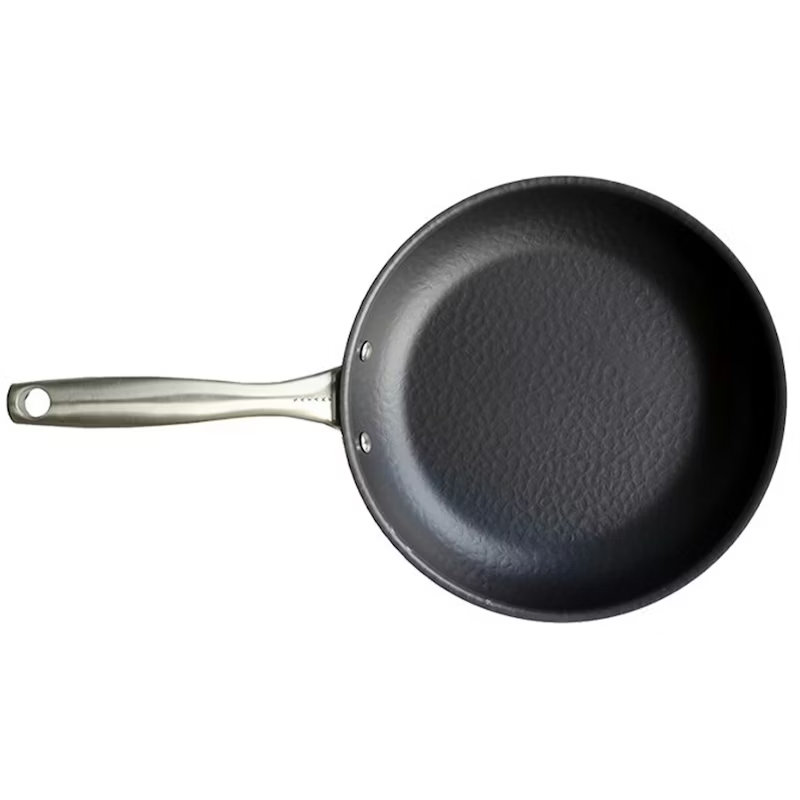
The Genesis of the Glide: A Brief History of Non-Stick Technology
Believe it or not, the concept of non-stick cooking isn’t entirely new. Ancient civilizations utilized naturally smooth stones or specially treated clay pots to prevent food from adhering. However, the modern non-stick revolution began in the mid-20th century with the accidental discovery of Polytetrafluoroethylene (PTFE) by DuPont. This remarkable polymer, capable of creating an incredibly slippery surface, quickly found its way into cookware, forever changing how we approach delicate dishes. Since then, technology has continued to evolve, introducing ceramic coatings and innovative hybrid designs, each aiming to offer an even better, safer, and more durable cooking surface.
Decoding the Skillet: Materials and Construction
Understanding what goes into your non-stick skillet is crucial, as both the base material and the non-stick coating play pivotal roles in its performance, durability, and overall suitability for your kitchen.
The Foundation: Base Materials
The core of your best non stick skillet is its base material, dictating how evenly and efficiently heat is distributed.
- Aluminum: A popular choice for its lightweight nature, affordability, and exceptional heat conductivity. Standard aluminum heats up quickly, ensuring your food cooks efficiently. However, thinner aluminum pans can be prone to warping over time.
- Hard-Anodized Aluminum: This is aluminum that has undergone an electrochemical process, making it significantly harder, more durable, and corrosion-resistant than standard aluminum. It still offers excellent heat conduction but with enhanced longevity. Pans with this base tend to be a bit heavier and often come in a sleek, dark gray finish.
- Stainless Steel (with an aluminum core): For those with induction cooktops, a stainless steel base is a must, as it’s magnetic. Often, these pans feature an aluminum core (sometimes fully clad or impact-bonded to the bottom) to combine stainless steel’s durability and induction compatibility with aluminum’s superior heat conduction. While robust, they can be heavier and might take a little longer to heat up.
The Magic Layer: Non-Stick Coating Materials
This is where the true non-stick prowess lies, but each type comes with its own set of characteristics.
- PTFE (Polytetrafluoroethylene): Commonly known by the brand name Teflon, PTFE offers unparalleled food release, making cleanup a breeze. Modern PTFE coatings have been PFOA-free since 2013, addressing past health concerns. These pans are generally safe when used correctly, avoiding excessively high temperatures (typically above 500°F or 260°C) which can cause the coating to degrade and potentially release fumes. They often provide better longevity than ceramic options.
- Ceramic: Marketed as a “natural” and “chemical-free” alternative, ceramic coatings are typically made from a silicone derivative (sol-gel technology) and sand. They can withstand higher temperatures without off-gassing, making them a popular choice for health-conscious cooks. However, ceramic tends to be less durable and its non-stick properties can degrade faster than PTFE, often requiring replacement within a year or two. They are also more prone to chipping and scratching.
- Hybrid Non-Stick (e.g., HexClad): This innovative design combines the best of both worlds, featuring a stainless steel etched pattern with a non-stick coating (often ceramic or PTFE) in the valleys. The raised stainless steel provides durability and better searing capabilities, even allowing for metal utensil use, which is a major advantage. While highly durable and metal-utensil safe, hybrid pans are typically more expensive and might not offer the same absolute slipperiness as a pure PTFE coating.
Beyond the Surface: What to Look for in the Best Non Stick Skillet
Choosing the best non stick skillet isn’t just about the coating; several design elements contribute to its overall performance and your cooking enjoyment.
Even Heat Distribution
Hot spots are the enemy of even cooking. A quality non-stick skillet should heat up quickly and distribute that heat consistently across its entire surface, preventing some parts of your food from burning while others remain undercooked. Aluminum and hard-anodized aluminum bases generally excel here.
Handle Comfort and Durability
You’ll be holding this skillet often, so a comfortable, ergonomic handle is non-negotiable. Look for handles that are heat-resistant and remain cool to the touch during stovetop cooking. Materials like silicone or sturdy stainless steel are excellent choices. A good handle also contributes to the pan’s overall balance, making it easier to maneuver, especially when flipping delicate items.
Oven Compatibility
Many recipes begin on the stovetop and finish in the oven, such as frittatas or skillet cookies. Check the maximum oven-safe temperature of the skillet before purchasing. Pans with plastic or wooden handles typically have lower oven-safe limits, if any, compared to those with all-metal handles or high-temperature-resistant silicone.
Induction Readiness
If you have an induction stovetop, ensure your chosen non-stick skillet explicitly states “induction compatible.” This means it contains a magnetic material (like iron or a stainless steel plate) in its base, allowing it to interact with the magnetic fields of your cooktop. Many aluminum-only pans will not work on induction.
Weight and Balance
While durability is important, a non-stick skillet shouldn’t be excessively heavy, especially for everyday use. A well-balanced, lightweight pan makes it easier to lift, tilt, and toss ingredients, enhancing your cooking efficiency and comfort.
Rim Design
A subtle, rounded rim around the lip of the skillet can make a surprising difference. It allows food, especially runny eggs or soft pancakes, to slide out smoothly onto the plate without getting caught in sharp corners.
Mastering Your Non Stick Skillet: Usage and Care Tips
Even the best non stick skillet needs a little love to maintain its performance and extend its life. Proper usage and care are paramount.
Gentle Heating
Avoid using your non-stick skillet over excessively high heat, especially those with PTFE coatings. This can cause the coating to degrade prematurely. Medium-low to medium heat is usually sufficient for most non-stick cooking tasks. If you need high heat for searing, reach for a cast iron or carbon steel pan instead.
Correct Utensils
Say goodbye to metal spatulas and sharp tools when cooking with non-stick. They are the leading cause of scratches and damage to the coating. Always opt for silicone, wooden, or soft plastic utensils to protect the non-stick surface.
Cleaning Protocol
Always hand wash your non-stick skillet. While some manufacturers claim “dishwasher safe,” the harsh detergents and high temperatures of dishwashers can significantly shorten the lifespan of the non-stick coating. A quick wipe with a soft sponge and warm soapy water is usually all it takes to clean a non-stick pan. Avoid abrasive scrubbers or steel wool.
Smart Storage
When stacking pans in your cabinet, place felt or rubber pan protectors between your non-stick skillets. This prevents the cooking surfaces from scratching each other, a common cause of premature wear.
Ditching the Sprays
For PTFE-coated pans, it’s best to avoid non-stick cooking sprays. Over time, these sprays can leave a sticky, gummy residue that bakes onto the surface, reducing its non-stick properties and becoming incredibly difficult to remove. A small amount of butter or natural cooking oil is a better choice.
Health and Harmony: Benefits and Considerations
Modern non-stick skillets have come a long way in terms of safety. As mentioned, all PTFE-coated pans sold today are PFOA-free, addressing a major past concern. Ceramic options are often preferred by those seeking cookware free from synthetic chemicals, though their durability remains a key consideration.
The most important health consideration is knowing when to replace your non-stick skillet. If the coating starts to chip, peel, or if food begins to consistently stick where it once didn’t, it’s a clear sign that it’s time for a new pan. Using a damaged non-stick pan can potentially allow tiny particles of the coating or base material to leach into your food.
Culinary Companions: Best and Worst Dishes for Your Non Stick Skillet
Your best non stick skillet is a versatile tool, but it truly shines with certain dishes and is less suited for others.
Perfect Pairings
- Eggs: From perfectly fried sunny-side-up to fluffy omelets and scrambled eggs, non-stick pans make egg cooking a dream.
- Pancakes and Crepes: These delicate batters release beautifully, ensuring golden, evenly cooked results every time.
- Delicate Fish: Fish fillets often stick to traditional pans, but a non-stick surface allows them to cook through and crisp up without tearing.
- Sticking-Prone Foods: Think quesadillas, grilled cheese, or anything with a tendency to leave a messy residue.
When to Reach for Another Pan
- High-Heat Searing: For achieving a deep, crusty sear on steaks, chicken, or vegetables, a non-stick pan isn’t ideal due to its temperature limitations and inability to build up a fond (the delicious browned bits that stick to the pan). Opt for cast iron, carbon steel, or stainless steel instead.
- Deglazing: Similarly, deglazing a pan to create a sauce relies on those fond bits. Since non-stick prevents sticking, it’s not the right tool for this technique.
[amz id="nonstick-frying-pan"]
Expert Insight: A Chef’s Perspective
“The beauty of a truly great nonstick skillet lies in its ability to simplify your cooking routine,” says Chef Anya Sharma, culinary consultant for ADB Review. “From perfectly flipped pancakes to delicate omelets, it’s about confidence and ease in the kitchen, allowing home cooks to achieve professional results without the fuss.”
Frequently Asked Questions (FAQ)
Are nonstick pans safe to use?
Yes, modern nonstick pans are widely considered safe for everyday cooking. Since 2013, all PTFE-coated pans have been PFOA-free, eliminating a chemical linked to health concerns. Ceramic nonstick options are also free of traditional fluoropolymers. The key to safe use is to avoid overheating them (especially PTFE) and to replace them when the coating shows signs of wear.
How long do nonstick skillets typically last?
With proper care, a good quality nonstick skillet can last anywhere from 2 to 5 years. Factors like frequency of use, adherence to care instructions (hand washing, using non-metal utensils, avoiding high heat), and the quality of the pan’s construction all influence its lifespan. Expect to replace them eventually, as the coating will naturally degrade.
Can I use metal utensils on nonstick cookware?
Generally, no. Most nonstick coatings, including ceramic and traditional PTFE, are susceptible to scratches from metal utensils, which can damage the surface and shorten the pan’s life. The main exception is hybrid nonstick cookware, like HexClad, which is designed with a stainless steel grid to protect the nonstick layer and allows for metal utensil use.
Can nonstick pans go in the dishwasher?
While some manufacturers label their nonstick pans as “dishwasher safe,” it’s almost always recommended to hand wash them. The harsh detergents and high heat of a dishwasher can accelerate the breakdown of the nonstick coating, significantly reducing its effectiveness and lifespan. A quick, gentle hand wash is usually sufficient.
Is ceramic nonstick cookware better than traditional PTFE nonstick?
“Better” depends on your priorities. Ceramic nonstick is a popular choice for those seeking a “chemical-free” alternative, as its coating is derived from natural minerals. It can also typically handle higher temperatures without off-gassing. However, PTFE (traditional nonstick) generally offers superior food release and longer-lasting nonstick performance, though it requires careful temperature control. Ceramic coatings tend to degrade faster and are more prone to chipping.
Conclusion
Choosing the best non stick skillet is a personal journey, guided by your cooking style, health considerations, and budget. Whether you opt for the classic reliability of PTFE, the “natural” appeal of ceramic, or the innovative durability of a hybrid design, understanding the materials and proper care is key to unlocking its full potential. At ADB Review, we champion informed choices, and we encourage you to select a pan that not only meets your needs but also inspires joy and confidence in your kitchen. So go ahead, find your perfect match, and experience the effortless pleasure of cooking with the best non stick skillet. Happy cooking!