Stepping into the modern kitchen, one appliance has truly revolutionized the way we cook: the induction cooktop. Its precise temperature control, rapid heating, and energy efficiency are undeniable game-changers. But for many home chefs, a common question arises: how do you pair this innovative technology with the everyday convenience of a nonstick pan? Finding the best nonstick pan for induction can feel like a quest, yet it’s entirely achievable when you know what to look for.
Forget sticky eggs, stubborn pancakes, or burnt food clinging to the surface. A quality nonstick pan designed for induction will not only elevate your culinary game but also streamline cleanup, making cooking a joyful experience rather than a chore. Let’s dive into everything you need to know to choose the perfect pan that works seamlessly with your induction hob.
Understanding Your Induction Cooktop
Before we talk pans, let’s quickly demystify induction cooking. Unlike traditional gas or electric stoves that heat the cooktop surface and then transfer that heat to your cookware, induction cooktops use electromagnetic fields. These fields directly generate heat within the base of your pan. This means faster cooking times and incredible precision, but it also means your cookware needs to be special.
Why Magnetic Cookware is Essential
The fundamental rule for induction cooking is simple: your pan must have a magnetic base. If a magnet sticks firmly to the bottom of your pot or pan, it’s induction compatible. Cookware made solely from aluminum or copper, while excellent heat conductors, won’t work on an induction surface unless they have an added magnetic layer. This magnetic property is crucial for the electromagnetic field to interact with the pan and create heat. Without it, your induction burner simply won’t recognize the pan.
The Anatomy of a Great Nonstick Induction Pan
Choosing the best nonstick pan for induction means looking beyond just the nonstick coating. The pan’s entire construction plays a vital role in its performance, durability, and safety on an induction hob.
Materials Matter: Magnetic Bases and Cores
The base of your nonstick pan is its induction heart.
- Magnetic Stainless Steel: Many top-tier induction nonstick pans feature a base made of magnetic stainless steel. Often, this stainless steel layer sandwiches an aluminum or copper core. The aluminum/copper helps with rapid and even heat distribution, while the outer magnetic stainless steel ensures induction compatibility. This multi-layered construction prevents hot spots and ensures consistent cooking results.
- Cast Iron: Naturally magnetic, cast iron works wonderfully on induction. While often associated with traditional cooking, enameled cast iron offers some nonstick qualities, though typically not as slick as PTFE or ceramic coatings. It’s incredibly durable and retains heat exceptionally well.
Nonstick Coatings: PTFE vs. Ceramic
The nonstick surface is what makes these pans so beloved. Two main types dominate the market:
- PTFE (Polytetrafluoroethylene): Commonly known by the brand name Teflon, PTFE coatings offer excellent food release. Modern PTFE coatings are PFOA-free (perfluorooctanoic acid), a chemical that was a concern in older manufacturing processes. It’s generally safe for everyday home cooking as long as temperatures do not exceed 500°F (260°C). Overheating, especially an empty pan, can cause the coating to break down and release fumes, which can lead to temporary flu-like symptoms.
- Ceramic Nonstick: These coatings are often marketed as “non-toxic” or “eco-friendly” alternatives, as they are typically free from PTFE, PFOA, and PFAS (per- and polyfluoroalkyl substances). Ceramic nonstick pans often boast high heat resistance, though it’s always wise to check the manufacturer’s specific guidelines. They provide a very slick surface for easy food release and are a popular choice for those seeking alternatives to traditional PTFE.
Durability and Construction
A truly great nonstick induction pan isn’t just about its coating.
- Thick, Flat Base: A robust, flat base is crucial for optimal induction performance and even heat distribution. A thin or warped base can lead to inefficient heating and hot spots.
- Multi-Layered Design: As mentioned, a base with multiple layers, often including magnetic stainless steel and an aluminum core, ensures the pan heats up quickly and evenly.
- Ergonomic and Heat-Resistant Handles: Look for sturdy, comfortable handles that stay cool to the touch on the stovetop. Riveted handles are often more durable than screw-on types.
- Oven Safety: Many nonstick induction pans are oven-safe, expanding their versatility. Always check the maximum oven temperature specified by the manufacturer.
Top Contenders: Best Nonstick Pans for Induction
When it comes to finding the best nonstick pan for induction, several brands consistently receive high marks for performance and durability.
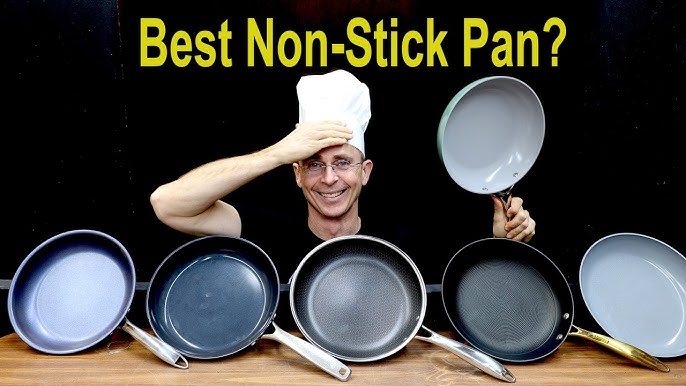
- Misen Nonstick Pan: Often praised for its excellent nonstick performance and robust construction, the Misen pan features a multi-layer design that ensures even heating on induction cooktops. Its durable coating holds up well to daily use.
- All-Clad Hard-Anodized Fry Pans: Known for their professional-grade cookware, All-Clad offers hard-anodized nonstick options with stainless steel bases, making them induction compatible. These pans are recognized for their exceptional durability and consistent cooking.
- GreenPan Barcelona Pro: GreenPan is a pioneer in ceramic nonstick technology. Their Barcelona Pro line, with its Thermolon ceramic coating, is PFA-free and highly regarded for its superior nonstick properties and even heat distribution on induction.
- HexClad Hybrid Pan: These unique pans combine the benefits of stainless steel and a PFA-free nonstick coating in a distinctive hexagonal pattern. They offer impressive searing capabilities along with effortless food release and are fully induction compatible.
- Tramontina Professional Nonstick Fry Pan: A fantastic value option, Tramontina pans often feature heavy-gauge aluminum construction with a reinforced magnetic base for induction, providing solid nonstick performance at a more accessible price point.
Each of these brands brings something special to the table, but they all share the fundamental compatibility with induction cooktops and a commitment to quality nonstick surfaces.
Getting the Most Out of Your Nonstick Induction Pan
To ensure your nonstick induction pan lasts, proper use and care are paramount.
Proper Use
- Low to Medium Heat: Induction cooktops heat rapidly. Avoid using high heat, especially when the pan is empty, as this can quickly degrade the nonstick coating. Most nonstick pans perform best and are safest at low-to-medium temperatures.
- Always Use Some Fat: Even though it’s nonstick, a small amount of oil, butter, or cooking spray helps lubricate the surface and enhance food release, extending the life of your coating.
- Avoid Dry Heating: Never preheat an empty nonstick pan for extended periods. Add your cooking fat or food before placing it on the hot burner.
Care and Maintenance
- Hand Wash: While some pans are dishwasher safe, hand washing with warm, soapy water and a soft sponge is always recommended. This gentle approach protects the nonstick coating from harsh detergents and potential scratching from other dishes.
- Use Appropriate Utensils: Opt for silicone, wood, or plastic utensils. Even if a pan claims to be metal-utensil safe, avoiding metal can significantly extend the life of your nonstick surface.
- Proper Storage: To prevent scratches, place a pan protector or a paper towel between nonstick pans when stacking them.
- When to Replace Your Pan: Nonstick coatings don’t last forever. If your pan’s coating is noticeably scratched, peeling, or food starts sticking consistently, it’s time for a replacement. A deteriorating coating can diminish performance and potentially lead to health concerns if flakes are ingested.
Health & Safety: What You Need to Know
Concerns about nonstick coatings have been a topic of discussion for years. However, modern advancements have largely addressed these issues.
Addressing Concerns About Nonstick Coatings
The primary concern regarding older nonstick pans was the use of PFOA (perfluorooctanoic acid) in the manufacturing of PTFE coatings. Today, virtually all nonstick pans from reputable brands are PFOA-free.
As for PTFE itself, it’s generally stable and safe. The main risk comes from overheating, typically above 500°F (260°C), which can cause the coating to break down and release fumes. These fumes can lead to polymer fume fever, a temporary condition with flu-like symptoms. Using your nonstick pan on low to medium heat, as recommended, effectively mitigates this risk. Ceramic nonstick options offer an alternative for those who prefer to avoid PTFE entirely.
Tips for Healthier Nonstick Cooking
- Ventilation: Ensure good kitchen ventilation when cooking at higher temperatures.
- Temperature Control: Stick to low to medium heat settings. This is especially easy with the precise control offered by induction cooktops.
- Replace Worn Pans: Don’t hesitate to replace pans with damaged coatings.
What Can You Cook (and Not Cook) in a Nonstick Induction Pan?
Nonstick induction pans are incredibly versatile, but they shine brightest for specific tasks.
Suitable Foods
These pans are perfect for delicate foods that tend to stick:
- Eggs (fried, scrambled, omelets)
- Pancakes and crepes
- Fish fillets (especially delicate white fish)
- Stir-fries
- Vegetables that might stick, like chopped onions or peppers
- Anything where easy release is key for presentation and cleanup.
Foods Better Suited for Other Pans
For high-heat searing or tasks that involve deglazing, you might want to reach for a different type of cookware:
- Steak or high-heat searing: While some hybrid nonstick pans (like HexClad) can handle higher heat, traditional nonstick coatings are not ideal for achieving a deep, crusty sear on meats, as this often requires temperatures above their safe limit. Cast iron or stainless steel excel here.
- Deglazing: The fond (brown bits) that stick to the bottom of a stainless steel or cast iron pan after searing meat is perfect for building rich sauces. Nonstick pans prevent this fond from forming, so they aren’t suitable for deglazing.
Frequently Asked Questions (FAQ)
Are all nonstick pans induction compatible?
No, not all nonstick pans are induction compatible. Only pans with a magnetic base will work on an induction cooktop. Always check for the induction symbol or use a magnet to test the bottom of the pan.
What temperature can nonstick induction pans withstand?
Most nonstick pans are safe up to 500°F (260°C). However, it’s crucial to check the specific manufacturer’s guidelines, as some ceramic nonstick pans can handle higher temperatures, while others might have lower limits.
How do I test if my pan works on induction?
Simply hold a magnet to the bottom of your pan. If the magnet sticks firmly, the pan is induction compatible. If it doesn’t stick or only weakly adheres, it won’t work on an induction cooktop.
Is ceramic nonstick better for induction?
Ceramic nonstick pans are an excellent choice for induction cooking, especially if you prioritize PFOA- and PTFE-free options. They often have robust bases suitable for induction and provide a very slick, easy-release surface.
How long do nonstick induction pans last?
The lifespan of a nonstick pan varies greatly depending on its quality, frequency of use, and how well it’s cared for. Generally, a good quality nonstick pan might last anywhere from 1 to 5 years, with some premium options lasting even longer if meticulously maintained.
Can I use metal utensils in my nonstick induction pan?
It’s generally recommended to use silicone, wooden, or plastic utensils to protect the nonstick coating. While some newer coatings claim to be metal-utensil safe, avoiding metal is the best way to prolong the pan’s life and maintain its nonstick properties.
Conclusion
The pursuit of the best nonstick pan for induction doesn’t have to be daunting. By understanding the core principles of induction cooking—namely, the requirement for a magnetic base—and by familiarizing yourself with the various nonstick coatings and construction materials, you’re well-equipped to make an informed decision. Whether you opt for a robust PTFE-coated pan from a trusted brand or a ceramic alternative, the right nonstick induction pan will unlock a world of effortless cooking, making your kitchen a more efficient and enjoyable space. Embrace the precision of induction and the ease of nonstick, and savor every meal you create.