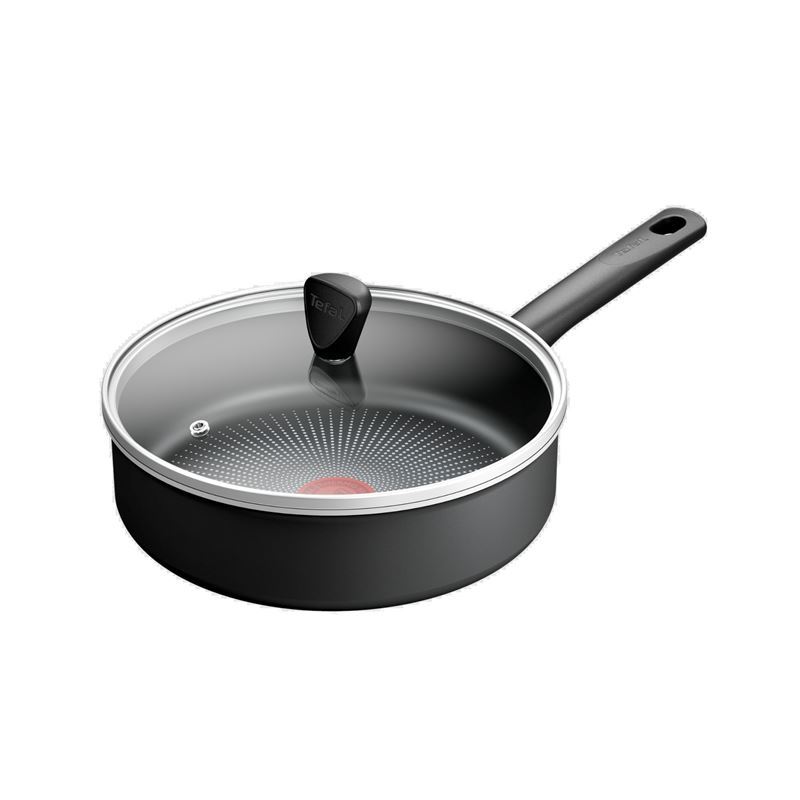
Stepping into the kitchen, there’s a certain magic that happens when your food glides effortlessly across the pan, leaving no sticky residue behind. That’s the power of the Best Non Stick Pan, a true game-changer for home cooks and culinary enthusiasts alike. At ADB Review, we’re all about empowering you with the knowledge to make smart choices, and when it comes to non stick cookware, understanding the ins and outs can elevate your cooking experience from frustrating to fantastic. Forget about scrambled eggs cemented to the bottom or delicate fish flaking apart; with the right non stick pan, culinary success is practically guaranteed.
The Evolution of Effortless Cooking: A Brief History of Non Stick Pans
The journey of the non stick pan began in the mid-20th century with the accidental discovery of polytetrafluoroethylene, or PTFE, by DuPont chemist Roy Plunkett. This revolutionary material, famously known as Teflon, offered an incredibly slick, non-reactive surface that changed cooking forever. Imagine a world before this innovation, where every pancake was a gamble and every omelet a potential disaster!
Initially, the manufacturing process for some PTFE coatings involved perfluorooctanoic acid (PFOA), a chemical that later raised significant health and environmental concerns. However, modern, reputable manufacturers have phased out PFOA, and today’s non stick pans are proudly PFOA-free, addressing many of those early worries. This commitment to safety means you can now enjoy the convenience of non stick cooking with greater peace of mind, knowing that the materials used are designed for your well-being.
Unpacking the Science: Materials and Construction of Your Non Stick Pan
When you’re searching for the best non stick pan, it’s not just about the slick surface; it’s about the entire construction. The core material, usually aluminum or hard-anodized aluminum, dictates heat distribution and durability. Aluminum is a fantastic heat conductor, ensuring even cooking, while hard-anodized aluminum offers enhanced strength and scratch resistance.
The star of the show, of course, is the non stick coating itself.
- PTFE (Teflon): Still the most prevalent type, PTFE offers excellent food release and is durable when cared for correctly. It’s generally considered safe for everyday cooking, provided it’s not overheated beyond approximately 500°F (260°C). Overheating can cause the coating to degrade and release fumes, which is why proper usage is key.
- Ceramic Coatings: Often touted as a “green” or “nontoxic” alternative, ceramic non stick pans are made from natural, inorganic materials. They are typically free from PTFE, PFOA, and other PFAS chemicals. While they often offer superb non stick properties initially, their durability can sometimes be less than traditional PTFE over long-term, rigorous use. However, some newer ceramic formulations are proving to be quite robust.
“The advancements in non stick technology have been remarkable,” notes Dr. Elena Petrova, a distinguished culinary materials scientist. “Manufacturers are constantly innovating to provide more durable, safer, and higher-performing coatings, whether it’s through refined PTFE formulations or advanced ceramic compounds. The key is to understand the material’s properties and use it as intended.”
Master Your Skillet: Proper Usage and Care for Longevity
To truly get the most out of your best non stick pan and ensure it lasts for years, a little TLC goes a long way. Think of it as a partnership in the kitchen!
- Heat Management is Crucial: Non stick pans excel at lower temperatures. Stick to low or medium heat settings for most cooking. High heat can damage the coating, especially if the pan is left empty. An empty non stick pan can reach dangerously high temperatures very quickly, causing the coating to degrade and potentially release fumes.
- Choose Your Tools Wisely: This is a golden rule: Ditch the metal utensils! Opt for silicone, nylon, plastic, or wooden spatulas and spoons. Metal can scratch and compromise the non stick surface, leading to flaking and reduced performance.
- First Use and Occasional Seasoning: Many manufacturers recommend seasoning your pan before its first use. Simply wash it, dry it, then rub a thin layer of cooking oil (like vegetable or grapeseed oil) over the surface with a paper towel. Heat it on low for a minute, then let it cool. This conditions the surface and can be repeated periodically.
- Say No to Cooking Sprays: While convenient, many non stick cooking sprays contain lecithin, which can build up over time and leave a gummy residue that actually makes your pan less non stick. Instead, use a small amount of regular cooking oil or butter.
Cleaning Your Non Stick Pan: Tips and Tricks for a Pristine Surface
A well-cared-for non stick pan is a joy to clean. Here’s how to keep it spotless:
- Cool Down Before Cleaning: Never plunge a hot non stick pan into cold water. This sudden temperature change, known as thermal shock, can warp the pan and damage the coating. Let it cool completely on a heat-safe surface.
- Hand Washing is Best: Even if your pan is labeled “dishwasher safe,” hand washing is always recommended. The harsh detergents and high heat of a dishwasher can accelerate the breakdown of the non stick coating. Use warm, soapy water and a soft sponge or cloth.
- Tackling Stubborn Bits: For those rare occasions when something sticks, avoid abrasive scrubbers like steel wool. Instead, create a paste of equal parts baking soda and water, apply it to the stubborn spot, let it sit for 10-15 minutes, then gently scrub with a soft sponge. For more burnt-on residue, a solution of baking soda and white vinegar boiled gently in the pan can work wonders.
- Smart Storage: Stacking pans directly on top of each other can lead to scratches. If space is tight, place a pan protector or a sheet of paper towel between each pan to safeguard the surface.
Beyond the Basics: Health Benefits and Important Considerations
The best non stick pan isn’t just about convenience; it offers some genuine benefits for your health and cooking habits:
- Reduced Fat Cooking: The inherent slickness means you can often cook with little to no oil or butter, making it easier to prepare lighter, healthier meals. This is particularly beneficial for those managing dietary fat intake.
- PFOA-Free Assurance: As mentioned, modern non stick pans from trusted brands are PFOA-free. This addresses a significant health concern from earlier generations of cookware.
- Understanding PFAS and Microplastics: While PFOA has been removed, PTFE itself belongs to a broader family of chemicals called PFAS. Some recent research has looked into the potential for microplastics or nanoplastics to be released from scratched non stick coatings. However, the exact health implications of ingesting these particles are still under investigation, and current consensus suggests non stick cookware is safe when used carefully and replaced when damaged.
“Responsibility is key when it comes to any cookware,” advises Dr. Petrova. “For non stick pans, this means respecting temperature limits, using appropriate utensils, and replacing them when the coating shows signs of significant wear or scratching. Think of it as preventative maintenance for your health and your kitchen.”
When to Replace Your Pan: A general guideline is to replace your non stick pan every 3-5 years, or sooner if you notice significant scratching, peeling, flaking, or if food starts to stick consistently. A compromised coating isn’t just annoying; it might not be performing at its safest.
Culinary Companions: Best Dishes for Non Stick Pans (and What to Avoid)
The best non stick pan truly shines with certain types of cuisine:
- Perfect for Delicate Foods: Eggs (fried, scrambled, omelets), pancakes, crêpes, and delicate fish fillets are ideal for non stick surfaces. They glide off beautifully without tearing or sticking.
- Great for Sticky Sauces: Risottos, creamy sauces, and cheese-based dishes that often cling to traditional pans become much easier to manage and clean up.
- Sautéing Vegetables: A quick sauté of vegetables requires minimal oil and prevents sticking, keeping them crisp and vibrant.
What to Avoid:
- High-Heat Searing: While some hybrid non stick pans are designed for higher heat, traditional non stick pans are not ideal for searing meats at very high temperatures. This can damage the coating and doesn’t achieve the deep, flavorful crust you’d get from cast iron or stainless steel.
- Broiling: Unless specifically stated by the manufacturer, avoid putting your non stick pan under the broiler, as the intense direct heat can easily exceed the coating’s temperature limits.
Frequently Asked Questions (FAQ)
Q: Are modern non stick pans truly safe to use?
A: Yes, modern non stick pans from reputable brands are considered safe for everyday home cooking. They are manufactured without PFOA, a chemical of concern used in older coatings. The key is to use them at recommended temperatures (low to medium heat) and avoid overheating or scratching the surface.
Q: How often should I replace my non stick pan?
A: Most culinary experts recommend replacing your non stick pan every 3 to 5 years. However, if you notice significant scratches, peeling, flaking, or if food starts to stick regularly, it’s time to replace it sooner, regardless of age.
Q: Can I put my non stick pan in the dishwasher?
A: While some manufacturers claim their non stick pans are dishwasher-safe, hand washing is generally recommended. The harsh detergents and high temperatures in a dishwasher can accelerate the degradation of the non stick coating, reducing its lifespan.
Q: What’s the difference between PTFE and ceramic non stick coatings?
A: PTFE (Polytetrafluoroethylene), commonly known as Teflon, is a synthetic polymer offering exceptional non stick properties. Ceramic coatings, on the other hand, are typically made from natural, inorganic materials and are often marketed as PTFE/PFOA/PFAS-free alternatives. Both offer non stick benefits, but PTFE tends to be more durable over time, while ceramic may be preferred for those seeking completely synthetic-free options.
Q: Why shouldn’t I use cooking spray on my non stick pan?
A: Many non stick cooking sprays contain lecithin, which can accumulate on the pan’s surface over time, forming a sticky, gummy residue. This residue can be difficult to remove and can actually compromise the non stick performance of your pan. It’s better to use a small amount of liquid oil or butter.
Q: Can I use metal utensils on any non stick pan?
A: No, it’s best to avoid metal utensils on virtually all non stick pans. Metal can easily scratch and damage the delicate non stick coating, leading to chipping and reduced effectiveness. Always opt for silicone, nylon, plastic, or wooden utensils to protect your pan.
The quest for the best non stick pan is a personal journey, but armed with the right knowledge, you’re well on your way to making an informed decision. Whether you prioritize cutting-edge ceramic, time-tested PTFE, or a versatile hybrid, understanding the materials, care, and usage ensures your non stick pan remains a cherished workhorse in your kitchen. So go ahead, flip that pancake, sauté those veggies, and enjoy the effortless glide that only the best non stick pan can provide. Happy cooking!