In a world increasingly focused on wellness, it’s only natural that our kitchen essentials, especially cookware, come under scrutiny. For many home cooks, the convenience of a non-stick surface is indispensable, but concerns about potential toxins lurking in traditional coatings have sparked a significant shift. Today, finding the Best Non Stick Non Toxic Pans isn’t just a trend; it’s a commitment to safer, healthier cooking, ensuring that what goes into your food is intentional, not incidental.
This guide will navigate the evolving landscape of non-toxic cookware, helping you understand the materials, care, and benefits of choosing pans that prioritize both your health and culinary experience. We’ll delve into what truly makes a pan “non-toxic” and how to pick the perfect options to outfit your kitchen for a lifetime of worry-free meals.
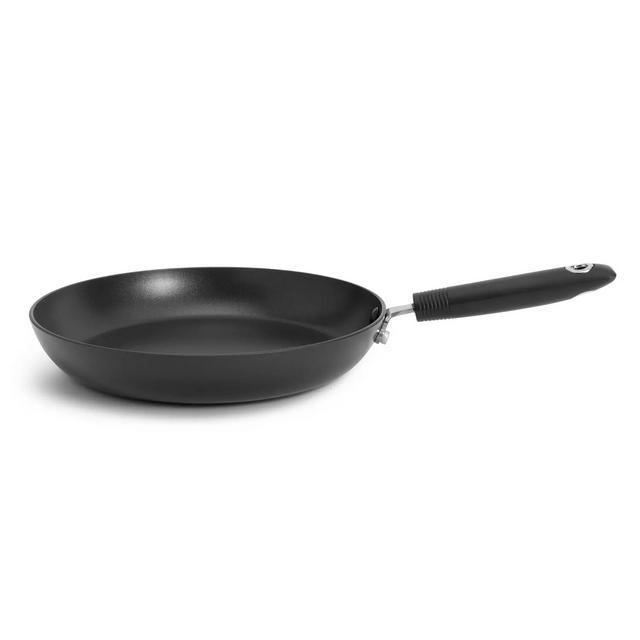
What Makes a Pan “Non-Toxic” and Non-Stick?
When we talk about “non-toxic” cookware, we’re primarily referring to the absence of per- and polyfluoroalkyl substances (PFAS), particularly perfluorooctanoic acid (PFOA) and polytetrafluoroethylene (PTFE). Historically, PTFE was the chemical compound behind many early non-stick coatings (commonly known as Teflon). While PTFE itself is generally stable at normal cooking temperatures, its manufacturing process often involved PFOA, a chemical now widely recognized for its environmental persistence and potential health impacts. Modern non-toxic pans are meticulously crafted to be free of these “forever chemicals,” along with other heavy metals like lead and cadmium.
As for the “non-stick” quality, it comes down to surface engineering. Traditional PTFE coatings created an incredibly slick surface. Today, the best non stick non toxic pans achieve this effect through alternative materials, primarily ceramic coatings or the natural properties of well-seasoned metals, providing a cooking surface that allows food to glide effortlessly.
The Rise of Non-Stick Pans: A Brief History
The story of non-stick pans began in the 1940s with the accidental discovery of PTFE. It revolutionized cooking, making tasks like frying eggs and pancakes remarkably easy. However, as environmental and health awareness grew, particularly regarding PFOA, the industry began seeking safer alternatives. This led to the innovation of PFOA-free PTFE in the 2010s, and then a major leap towards ceramic non-stick coatings and other natural options. This evolution reflects a growing demand from consumers for kitchenware that not only performs well but also aligns with a healthier lifestyle.
Materials and Construction of Safe Non-Stick Pans
When searching for the best non stick non toxic pans, you’ll encounter a variety of materials, each with unique properties.
Ceramic-Coated Pans: The Modern Non-Stick Solution
Most non-toxic non-stick pans on the market today feature a ceramic coating. This coating is typically derived from silica (sand) and applied over a metal base, usually aluminum for its excellent heat conductivity.
- How it Works: The smooth, dense inorganic coating creates a naturally non-stick surface without relying on PFAS chemicals.
- Pros: They offer excellent non-stick performance, are lightweight, heat evenly, and are completely free of “forever chemicals.” Many brands like GreenPan (with their Thermolon coating), Caraway, and Our Place have become popular choices. According to culinary expert Dr. Elena Petrova, “Ceramic-coated pans offer a fantastic bridge between traditional non-stick convenience and modern health standards, making them a top contender for home cooks.”
- Cons: The main challenge with ceramic coatings is their durability. They can be susceptible to chipping, scratching, and losing their non-stick properties over time, especially with high heat or improper care.
Pure Ceramic Pans: Truly Inert
Less common but gaining traction, pure ceramic cookware (often labeled as “100% ceramic”) is made entirely from natural, inorganic clay and minerals.
- Pros: These are among the safest options, completely free from any metals or synthetic coatings. They are highly durable, resistant to high temperatures, and can be used in the oven and on the stovetop.
- Cons: Pure ceramic pans are generally more expensive and heavier than their coated counterparts. Their non-stick properties are less pronounced than coated ceramic, requiring a bit more oil or fat during cooking. Xtrema is a well-known brand in this category.
Seasoned Cast Iron: The Timeless Workhorse
While not always immediately thought of as “non-stick,” well-seasoned cast iron pans develop a naturally non-stick surface over time.
- Pros: Incredibly durable (often lasting generations), excellent at retaining and distributing heat, and free from synthetic coatings. With proper care, they are truly non-toxic and can leach beneficial iron into your food. Lodge is a classic example.
- Cons: They are heavy, require specific care (seasoning, no harsh soaps, immediate drying to prevent rust), and take longer to heat up.
Stainless Steel (with proper technique): Durable and Versatile
High-quality stainless steel cookware isn’t inherently non-stick, but with the right cooking techniques, it can behave quite well.
- Pros: Extremely durable, non-reactive, and resistant to corrosion. Stainless steel pans, like those from Cuisinart, are workhorses in professional kitchens. They contain no coatings to chip or degrade.
- Cons: Requires preheating and sufficient oil to prevent sticking. Not the easiest for delicate foods like eggs unless you master the technique.
How to Properly Use and Care for Your Non-Toxic Non-Stick Pans
To get the most out of your best non stick non toxic pans and prolong their lifespan, proper use and care are crucial.
- Mind Your Heat: For ceramic-coated pans, stick to low to medium heat. High heat can degrade the non-stick coating more quickly.
- Choose the Right Utensils: Always opt for silicone, wooden, or nylon utensils. Metal can scratch and damage the delicate non-stick surface, regardless of how “durable” it claims to be.
- Use Minimal Oil (But Still Some!): While they’re non-stick, a little bit of cooking fat (butter, olive oil, etc.) still helps with food release and can contribute to flavor. Avoid aerosol cooking sprays, as they can leave a residue that builds up and damages the coating.
- Gentle Cleaning is Key: Let your pan cool completely before washing. Hand wash with warm, soapy water and a soft sponge or cloth. Avoid abrasive scrubbers or harsh detergents, which can wear down the coating.
- Smart Storage: Prevent scratches by placing pan protectors (felt pads) between stacked pans. Some brands, like Caraway, even offer clever storage solutions.
Tips and Tricks for Maximizing Your Non-Toxic Pan’s Lifespan
Think of your non-toxic non-stick pans as a valued investment that benefits from a little TLC.
- Avoid Thermal Shock: Never plunge a hot pan into cold water. This can warp the pan and damage the non-stick surface.
- Don’t “Burn” an Empty Pan: Preheating an empty non-stick pan on high heat for extended periods can shorten its life and potentially release fumes (though significantly less concerning with non-toxic options).
- Regular, Gentle Cleaning: Sticking to a consistent cleaning routine after each use prevents residue buildup that can compromise non-stick performance.
Benefits and Health Considerations When Using Non-Toxic Non-Stick Pans
The primary advantage of choosing best non stick non toxic pans is the peace of mind that comes with eliminating harmful chemicals from your cooking process. By opting for PFAS, PFOA, and PTFE-free alternatives, you mitigate the risk of these substances leaching into your food, especially if the pan is scratched or overheated. This choice contributes to a safer home environment and supports better long-term health. Moreover, these newer non-stick surfaces often still provide exceptional food release, making cooking and cleanup a breeze.
Suitable and Unsuitable Foods for Non-Toxic Non-Stick Pans
The versatility of non-toxic non-stick pans makes them ideal for a wide array of dishes.
- Perfect for: Eggs (fried, scrambled, omelets), delicate fish, pancakes, crêpes, stir-fries, and any food prone to sticking. Their smooth surface ensures easy flipping and perfect browning.
- Things to be Mindful Of: While generally versatile, ceramic-coated pans are not ideal for very high-heat searing (like a steak that needs a deep crust), as extreme temperatures can shorten the coating’s life. For bare cast iron, highly acidic foods (e.g., tomato sauce, wine reductions) cooked for extended periods can strip away seasoning, though this is less of a concern with ceramic or stainless steel.
|
Our Picks for the Best Nonstick Frying Pan in 2026
As an Amazon Associate I earn from qualifying purchases.
|
||
| Num | Product | Action |
|---|---|---|
| 1 | CAROTE Nonstick Frying Pan Skillet,Non Stick Granite Fry Pan Egg Pan Omelet Pans, Stone Cookware Chef\'s Pan, PFOA Free,Induction Compatible(Classic Granite, 8-Inch) |

|
| 2 | Starfrit The Rock 2-PC 9.5\" (24cm) and 8\" (20cm) Non-Stick Fry Pans - Durable Forged Aluminum - Oven Safe - PFOA Free - Easy to Clean - Black |
|
| 3 | SENSARTE Nonstick Frying Pan Skillet with Lid, 12 Inch Large Deep Frying Pan, 5 Qt Non Stick Saute Pan with Cover, Induction Pan, Healthy Non Toxic Cooking Pan with Helper Handle, PFOA PFOS Free |
|
| 4 | Tramontina Professional 10-Inch Non Stick Frying Pan, Heavy-Gauge Aluminum Skillet with Reinforced Nonstick Coating, Red Handle, Dishwasher and Oven Safe |
|
| 5 | Amazon Basics Ceramic Nonstick Pots and Pans Cookware Set, Dishwasher & Oven Safe, Even Heating, 10-Piece Set, Copper Color |
|
| 6 | Bionic Turtle Design Nonstick Ceramic Frying Pan (2.5 qt, 10.3\"), Non Toxic,PFAS & PFOA Free, Dishwasher Safe, Compatible with All Stovetops, Durable Cookware for Home Cooking |
|
| 7 | Tramontina Professional 12-Inch Non Stick Large Frying Pan, Heavy-Gauge Aluminum Skillet with Reinforced Nonstick Coating, Red Handle, Dishwasher and Oven Safe |
|
| 8 | Amazon Basics Non Stick Kitchen Cookware 15-Piece Set, Non-Induction, Includes Pots, Pans, and Utensils, Black |
|
| 9 | SENSARTE Nonstick Frying Pan Skillet, Swiss Granite Coating Omelette Pan, Healthy Stone Cookware Chef\'s Pan, PFOA Free (8/9.5/10/11/12.5 Inch) (9.5 Inch) |
|
| 10 | Amazon Basics Non Stick Kitchen Cookware 8-Piece Set, Non-Induction, Includes Pots and Pans, Black |
|
Frequently Asked Questions
Are ceramic nonstick pans truly non-toxic?
Yes, ceramic nonstick pans are generally considered non-toxic because their coating is made from inorganic materials like silica, derived from sand. They are free from PFAS, PFOA, PTFE, lead, and cadmium, which are the main concerns with traditional non-stick coatings.
How long do non-toxic nonstick coatings last?
The lifespan of non-toxic nonstick coatings, especially ceramic, varies but is generally shorter than traditional nonstick. With proper care—using low to medium heat, non-metal utensils, and gentle hand washing—a quality ceramic-coated pan can last several years before its non-stick properties begin to diminish.
Can I use metal utensils on non-toxic nonstick pans?
It is strongly recommended to avoid metal utensils on any non-stick surface, including non-toxic ceramic. Metal can scratch and chip the coating, accelerating its degradation and reducing its non-stick effectiveness. Stick to silicone, wood, or nylon.
What temperature can I cook with non-toxic nonstick pans?
For most ceramic-coated non-stick pans, it’s best to cook on low to medium heat. While many can withstand higher temperatures (some even oven-safe up to 500-600°F), prolonged exposure to high heat can shorten the lifespan of the non-stick coating.
Are expensive non-toxic pans always better?
Not necessarily. While higher-priced pans often come with better construction, more durable coatings, and enhanced features (like induction compatibility or oven-safe designs), there are excellent budget-friendly options available. It’s more important to look for reputable brands known for quality and transparency about their materials, and to follow proper care instructions, rather than simply relying on price.
Conclusion
Choosing the best non stick non toxic pans is a fantastic step towards a healthier, more mindful cooking experience. With advancements in materials and manufacturing, you no longer have to compromise between convenience and safety. By understanding the different types of non-toxic materials—from the widely popular ceramic-coated options to the enduring resilience of cast iron—and committing to proper care, you can enjoy delicious, easy-to-clean meals for years to come. So go ahead, explore the options, find the perfect non-toxic companions for your kitchen, and elevate your culinary journey with confidence!