Hey there, home cooks and culinary adventurers! Ever found yourself wondering about the safety of your trusty non-stick frying pan? You’re not alone. In today’s kitchen, making conscious choices about what we cook with is just as important as the ingredients we use. Here at ADB Review, we’re committed to being your go-to guide, cutting through the jargon to bring you the lowdown on high-quality, safe, and effective kitchen essentials. And when it comes to the Best Non Stick Frying Pan Non Toxic options, we’ve got your back.
Forget the days of mystery coatings and worrying about what might be leaching into your scrambled eggs. The good news is, innovation in cookware means you can now achieve that effortless food release without compromising your well-being. We’re talking about a revolution in kitchen safety, driven by a desire for healthier living and a deeper understanding of materials. Let’s dive in and discover how to choose a frying pan that’s not just fantastic to cook with, but genuinely good for you and your family.
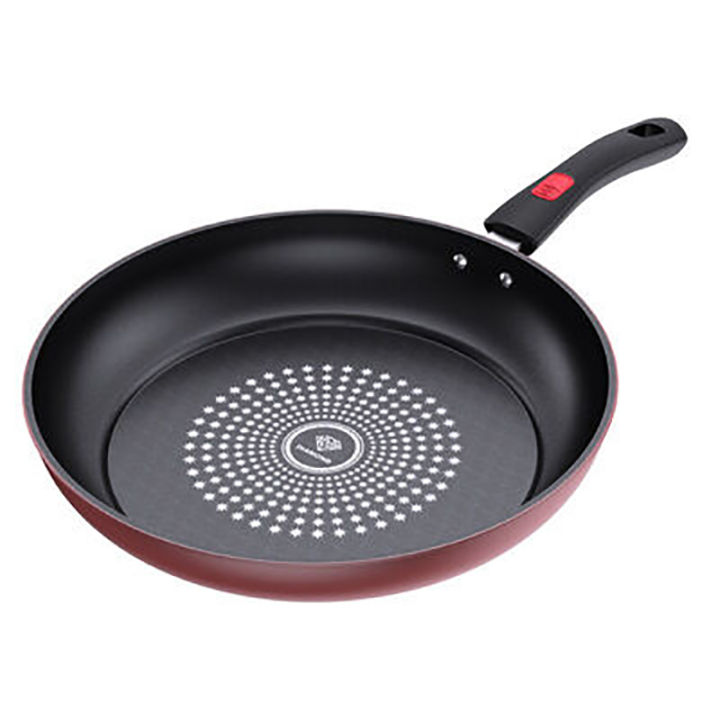
The Evolution of Non-Stick: From Past Concerns to Conscious Choices
For decades, traditional non-stick frying pans were kitchen heroes, renowned for their convenience. But beneath that slick surface lay compounds like Polytetrafluoroethylene (PTFE), often associated with Perfluorooctanoic Acid (PFOA) during its manufacturing. While PTFE itself is generally considered stable at normal cooking temperatures, the concern arose from PFOA and the broader family of Per- and Polyfluoroalkyl Substances (PFAS) – often dubbed “forever chemicals” due to their persistence in the environment and human body. These substances have been linked to potential health issues, prompting a significant shift in the cookware industry.
Today, consumers are savvier, and manufacturers have responded with innovative solutions, making it easier than ever to find a best non stick frying pan non toxic by design. The focus has moved to alternatives that offer superior performance without the chemical baggage, giving us peace of mind with every meal we prepare. It’s about empowering you to make choices that align with a healthier lifestyle.
Understanding Non-Toxic Materials: What’s Under the Hood?
When you’re on the hunt for the best non stick frying pan non toxic, understanding the materials is key. It’s not just about what’s not in them, but what is there that makes them safe and effective.
Ceramic-Coated Non-Stick: The Modern Contender
One of the most popular and readily available non-toxic alternatives is ceramic-coated non-stick cookware. These pans typically feature an aluminum core for excellent heat distribution, coated with a mineral-based, non-stick layer.
- How It Works: The ceramic coating, often derived from sand (like GreenPan’s Thermolon™), is applied using a Sol-Gel process, creating a naturally slick surface. This means no PFOA, PFAS, or PTFE are used in their construction.
- Benefits: When new, ceramic non-stick surfaces offer exceptional food release, often requiring very little oil. They heat evenly and are free from the “forever chemicals” that raise health concerns. Brands like GreenPan and Caraway have become front-runners in this space, offering high-performing and stylish options.
- Considerations: While excellent, ceramic coatings generally have a shorter lifespan than traditional non-stick or other materials. They can be susceptible to damage from high heat and metal utensils, leading to a loss of non-stick properties over time. Most manufacturers recommend low to medium heat settings to preserve the coating’s integrity.
Fully Ceramic Cookware (Pure Ceramic): A Truly Inert Choice
Stepping beyond coated pans, some manufacturers offer cookware made entirely from ceramic.
- Benefits: These pieces are truly inert, meaning they won’t leach any chemicals into your food. They are often oven-safe to very high temperatures and are incredibly durable.
- Considerations: While robust, pure ceramic isn’t inherently as “non-stick” as coated versions. You might need a little more oil or fat to prevent sticking, and they can be heavier. Xtrema is a notable brand in this category, known for its ceramic-to-the-core products.
Hard-Anodized Aluminum with Non-Toxic Coating: A Durable Hybrid
Many high-quality non-stick pans start with hard-anodized aluminum. This process creates a hardened, non-reactive surface that is more durable than regular aluminum. When combined with a non-toxic non-stick coating, it offers a robust solution.
- Benefits: Hard-anodized aluminum provides excellent, even heat distribution and is highly durable. When paired with PFOA-free coatings, it offers a great balance of performance and safety. All-Clad’s hard-anodized skillets are often praised for their quality and durability.
- Considerations: Even with hard anodization, the performance relies on the quality and care of the non-stick coating. Always verify that the coating is explicitly free of PFAS, PFOA, and PTFE.
Alternative Materials: Natural Non-Stick and Beyond
Beyond the coated options, other materials offer natural non-stick properties or are simply non-toxic by nature, though they require different cooking techniques.
- Stainless Steel: A kitchen staple, stainless steel is incredibly durable, non-reactive, and non-toxic. While not inherently non-stick, with proper heating and a little oil, food release can be quite good. It excels at searing and browning.
- Cast Iron and Carbon Steel: These materials are culinary workhorses that, when properly seasoned, develop a natural, chemical-free non-stick surface that improves with age.
- Benefits: Exceptional heat retention, extreme durability (can last generations), and can even add a small amount of dietary iron to food.
- Considerations: Require diligent seasoning and maintenance, are heavy, and can react with acidic foods if not well-seasoned. Enameled cast iron (like Le Creuset) offers similar benefits with easier maintenance, though it’s not truly non-stick.
Choosing Your Perfect Pan: What to Look For
Selecting the best non stick frying pan non toxic for your kitchen involves more than just picking a pretty color. Here’s a checklist to guide your decision:
- Material and Coating Claims: Look for explicit labels like “PFOA-free,” “PFAS-free,” and “PTFE-free.” Many ceramic non-stick pans now proudly state their sand-derived coatings.
- Heat Compatibility: Check the maximum oven-safe temperature. While non-stick pans generally perform best on low to medium heat on the stovetop, oven compatibility can add versatility. For instance, some ceramic-coated pans are oven-safe up to 450°F or higher.
- Durability and Warranty: Look for brands that offer robust construction and a decent warranty. While non-stick coatings aren’t eternal, quality pans should still offer a few years of reliable use with proper care.
- Ergonomics: Consider the handle comfort and the pan’s weight. A well-balanced pan with a stay-cool handle makes a significant difference during cooking.
- Induction Compatibility: If you have an induction cooktop, ensure the pan specifies induction compatibility.
For those looking to expand beyond a single frying pan, consider non-toxic cookware sets from reputable brands like GreenPan and Caraway, which often include a variety of essential pots and pans designed with health and performance in mind.
Mastering the Art of Non-Toxic Non-Stick: Usage and Care Tips
Even the best non stick frying pan non toxic needs a little love to perform its best and last its longest. Proper care is crucial for maintaining its non-stick properties and ensuring its safety.
Preparation and Cooking
- Initial Wash: Before its maiden voyage, always hand wash your new pan with warm, soapy water and dry it thoroughly. Most non-stick ceramic pans do not require pre-seasoning.
- Heat Management is Key: This is perhaps the most vital rule. Non-stick coatings, especially ceramic ones, are designed for low to medium heat. High heat can degrade the coating, reduce its lifespan, and potentially cause damage. Never preheat an empty non-stick pan on high heat.
- Oil Wisely: A small amount of high-smoke-point oil (like refined avocado, peanut, or vegetable oil) is recommended for cooking. Avoid low-smoke-point oils like extra virgin olive oil for high-heat cooking, as they can polymerize and create sticky residue. And a big no-no? Cooking sprays! Their propellants can damage the non-stick surface.
The Right Tools for the Job
- Utensils Matter: This is a golden rule for all non-stick pans. Stick to wooden, silicone, or nylon utensils. Metal utensils are the archenemy of your non-stick surface and will scratch and damage the coating, shortening your pan’s life significantly.
Cleaning and Storage
- Cool Down First: Always allow your non-stick pan to cool completely before washing it. Plunging a hot pan into cold water can cause thermal shock, potentially warping the pan or damaging the coating.
- Gentle Hand Wash: While some non-stick pans are labeled dishwasher-safe, hand washing is almost always recommended to extend their life. Use warm, soapy water and a soft sponge or cloth. Harsh, abrasive detergents, scouring pads, or steel wool are off-limits as they can damage the coating.
- Tackling Sticky Spots: If you encounter stubborn stuck-on food, don’t despair! Fill the pan halfway with water, bring it to a boil for a couple of minutes, then pour out the water. While still warm, gently rub the affected area with a melamine sponge (like a Magic Eraser) to remove polymerized spots.
- Smart Storage: Protect your investment! When stacking pans, use pan protectors (felt or soft cloth) to prevent scratches. Wall hooks are also a great way to store pans without them touching.
When to Bid Farewell
Even with the best care, non-stick coatings aren’t immortal. If your pan develops significant scratches, chipping, or loses its non-stick properties despite proper use, it’s time to replace it. Typically, a non-stick pan should last anywhere from three to five years with appropriate care.
Benefits and Health Considerations
Choosing the best non stick frying pan non toxic offers more than just excellent cooking performance; it contributes significantly to a healthier kitchen environment.
- Peace of Mind: The primary benefit is knowing you’re cooking without the potential exposure to harmful chemicals like PFOA, PTFE, and PFAS, which can degrade and leach into food, especially at high temperatures. This allows you to focus on the joy of cooking, not the worry.
- Reduced Oil Usage: The inherently slick surface of non-stick pans means you can cook with less oil or butter, contributing to healthier meal preparation without sacrificing flavor.
- Even Cooking: Quality non-stick pans, particularly those with aluminum or hard-anodized bases, distribute heat remarkably well, leading to consistently cooked food without frustrating hot spots.
Expert Insight: Dr. Elena Petrova on Non-Toxic Cookware
“The shift towards non-toxic cookware is more than just a trend; it’s a vital step in modern kitchen health,” explains Dr. Elena Petrova, a material science expert specializing in food-grade coatings. “Understanding the materials, opting for certified PFAS-free products, and adhering to proper care instructions are paramount. It ensures not only the longevity of your cookware but, more importantly, the safety of your food and the well-being of your family. It’s about empowering consumers with knowledge to make truly informed choices.”
Frequently Asked Questions (FAQ)
Are all ceramic pans truly non-toxic?
Not all pans marketed as “ceramic” are created equal. True non-toxic ceramic-coated pans explicitly state they are PFOA-free, PFAS-free, lead-free, and cadmium-free. Some traditional non-stick coatings can be applied to ceramic pots and pans, so always check the labels carefully for chemical-free assurances.
How long do non-toxic non-stick pans typically last?
With proper care, a good quality non-toxic non-stick frying pan can last between three to five years. Factors like heat control, utensil choice, and cleaning methods significantly impact its lifespan.
Can I use metal utensils on my non-toxic non-stick pan?
Absolutely not. Using metal utensils will scratch and damage the non-stick coating, compromising both its performance and longevity. Always opt for wood, silicone, or nylon utensils.
Is it safe to put non-toxic non-stick pans in the dishwasher?
While some manufacturers state their pans are dishwasher-safe, hand washing is generally recommended for all non-toxic coated cookware. The high temperatures, harsh detergents, and potential for jostling with other dishes in a dishwasher can degrade the non-stick coating over time.
What are PFAS and why should I avoid them?
PFAS (Per- and Polyfluoroalkyl Substances) are a group of man-made chemicals, including PFOA and PFOS, often called “forever chemicals” because they break down very slowly. They have been used in traditional non-stick coatings and are a concern due to their persistence in the environment and potential health impacts. Avoiding cookware that contains PFAS is a proactive step towards healthier living.
Conclusion
Embracing the best non stick frying pan non toxic options available today is a game-changer for any kitchen. It’s about creating delicious meals with confidence, knowing you’ve made a choice that prioritizes health, safety, and culinary excellence. From the innovative ceramic-coated pans to the enduring reliability of seasoned cast iron, the landscape of non-toxic cookware is rich with options to suit every cooking style and preference.
Here at ADB Review, we encourage you to explore these fantastic alternatives, experiment with new techniques, and share your experiences. Your kitchen is the heart of your home, and with the right tools, it can be a place where health and flavor thrive in perfect harmony. Happy cooking!