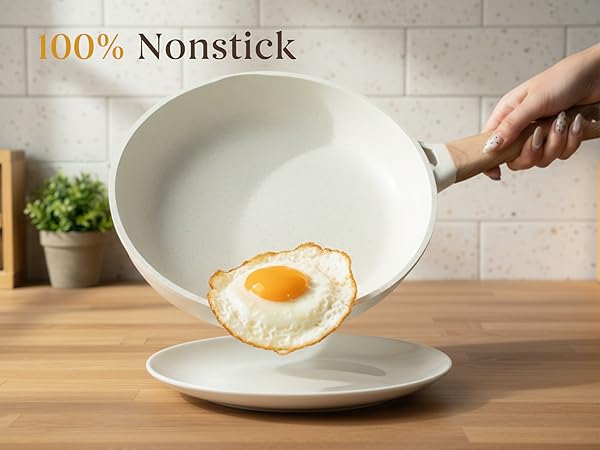
Stepping into the kitchen, there’s a certain kind of joy that comes from watching your food glide effortlessly across the pan. No sticking, no scraping, just perfectly cooked meals and easy cleanup. This, my friends, is the magic of the nonstick cooking pan, a true game-changer for home cooks everywhere. But with a dizzying array of options, how do you pick the Best Non Stick Cooking Pans that will genuinely elevate your culinary adventures? As your trusted advisor at ADB Review, we’re here to cut through the clutter and guide you to your ideal kitchen companion, ensuring you cook smarter, not harder.
The Everyday Magic of Nonstick Pans: A Brief History
The story of the nonstick pan is one of innovation designed to simplify our lives. For centuries, sticking food was a common kitchen frustration, a battle often lost by delicate dishes. Then came the mid-20th century revolution with the introduction of PTFE, more commonly known as Teflon. This groundbreaking material, applied as a coating, created a surface so slick that food practically jumped off the pan. While early iterations had their concerns, particularly regarding PFOA, the industry has evolved dramatically. Today, manufacturers are committed to producing PFOA-free and increasingly PFAS-free options, offering safer, more sustainable choices that continue to bring the joy of effortless cooking to millions. This ongoing evolution means that the best non stick cooking pans are not just about convenience, but also about peace of mind.
Demystifying Nonstick Coatings and Materials
Understanding what goes into your nonstick pan is the first step toward making an informed decision. It’s not just one type of coating or one base material; it’s a world of options, each with its own quirks and capabilities.
The Heart of the Pan: Coating Types
When we talk about nonstick, we’re primarily looking at a few key players that give your pan its magical properties:
- PTFE (Polytetrafluoroethylene): Often recognized by the brand name Teflon, this is the original and most widespread nonstick coating. PTFE pans are renowned for their exceptional slipperiness, making them fantastic for delicate items like eggs and pancakes. Modern PTFE coatings are manufactured without PFOA (Perfluorooctanoic Acid), a chemical of past concern, making them safe for everyday use when temperatures are kept below 500°F (260°C). However, they generally require gentle care—think wooden or silicone utensils, and avoiding extremely high heat to preserve their longevity.
- Ceramic: These coatings are typically made from silica-based gel, derived from natural sand. Brands like GreenPan and Caraway often specialize in ceramic nonstick options. Many ceramic pans proudly declare themselves PFOA-free and PFAS-free, appealing to those seeking “forever chemical”-free cookware. While they can sometimes withstand slightly higher temperatures than traditional PTFE, their nonstick properties might not always be as long-lasting or as initially slick as PTFE, and they can be more prone to chipping if not handled with care. To get the most out of your ceramic pan, cooking on low to medium heat is usually recommended.
- Hard-Anodized Aluminum: This isn’t a “coating” in the traditional sense, but rather a process that transforms aluminum into a harder, more durable, and naturally nonstick surface. Hard-anodized pans often have an additional nonstick layer on top for enhanced performance. They’re excellent at even heat distribution and are generally more scratch-resistant than basic nonstick pans, offering a robust base for any quality nonstick skillet.
- Hybrid Coatings: Some innovative pans, like those from HexClad or Anolon X, blend the best of both worlds, often featuring a textured stainless steel matrix with a nonstick coating in between. This design aims to provide both the searing capabilities of stainless steel and the easy food release of nonstick, offering a unique cooking experience.
Beyond the Coating: Base Materials Matter
The material beneath the nonstick layer significantly impacts a pan’s heat distribution, weight, and compatibility with various stovetops:
- Aluminum: Lightweight and an excellent heat conductor, aluminum is a popular choice for the core of many nonstick pans. It heats up quickly and evenly. However, pure aluminum pans are not induction compatible. If you have an induction cooktop, look for aluminum pans with a bonded stainless steel base.
- Stainless Steel (Multi-Ply): Often found in higher-end nonstick cookware, a multi-ply stainless steel construction (with an aluminum or copper core) provides superior heat distribution and exceptional durability. These pans are typically heavier but are highly resistant to warping and are almost always induction compatible.
ADB Review’s Top Picks: What to Look For in the Best Nonstick Pans
Choosing the best non stick cooking pans means weighing several factors to match your cooking style and kitchen needs. Here’s what we at ADB Review emphasize:
- Performance: The core of any great nonstick pan is its ability to release food effortlessly. Look for pans praised for their food release, even heating across the entire surface (to avoid hot spots), and consistent results.
- Durability: No nonstick pan lasts forever, but some are built tougher than others. Consider coating longevity, scratch resistance (especially if you’re not always perfect with your utensils), and resistance to warping. Hard-anodized or hybrid options often excel here.
- Comfort & Safety: Ergonomic, heat-resistant handles are a must for comfortable cooking. Check the oven-safe temperature if you often finish dishes in the oven. Crucially, ensure the pan is clearly labeled as PFOA-free, and if “forever chemicals” are a concern, seek out PFAS-free or pure ceramic options.
- Induction Compatibility: If you have an induction stovetop, this is non-negotiable. Look for pans with a magnetic base, typically stainless steel.
- Value for Money: The “best” pan isn’t always the most expensive. We’ve seen excellent performers across various price points. Balance quality and expected lifespan with your budget. As cooking expert and culinary consultant, Chef Eleanor Vance, advises, “Don’t just chase the highest price tag. The best value comes from a pan that performs reliably for your everyday needs and fits your comfort level with care, not necessarily the one with the biggest marketing budget. A mid-range, well-cared-for pan will often outperform an expensive one that’s neglected.”
Master the Art: Using and Caring for Your Nonstick Pan
Even the best non stick cooking pans need a little love to perform their best and last longer. Proper usage and diligent care are paramount.
Before First Use: A Simple Seasoning Trick
For some nonstick pans, especially ceramic ones, a quick seasoning before the first use can enhance their nonstick properties and protect the coating. Simply wash the pan with warm, soapy water, dry it thoroughly, apply a thin layer of cooking oil (like vegetable or canola oil), and heat it over medium-low heat for about 30 seconds to a minute. Let it cool, then wipe off any excess oil.
The Heat is On: Temperature Control is Key
This is perhaps the most crucial tip for nonstick pan longevity.
- Avoid High Heat: Nonstick coatings, particularly PTFE, can degrade and even release fumes if exposed to excessively high temperatures (typically above 500°F/260°C). Use low to medium heat for most cooking. For high-heat searing, consider a cast iron or stainless steel pan instead.
- Never Preheat an Empty Pan: An empty nonstick pan can reach damaging temperatures very quickly. Always add a little oil or food before turning on the heat.
- Beware of Thermal Shock: Sudden temperature changes, like plunging a hot pan into cold water, can warp the pan and damage the nonstick coating. Always allow your pan to cool down gradually before cleaning.
Gentle Hands: Utensils and Cleaning
Treat your nonstick pan with the respect it deserves, and it will serve you well.
- Soft Utensils Only: Metal spatulas and spoons are the sworn enemies of nonstick coatings. Stick to wooden, silicone, or heat-resistant plastic utensils to prevent scratches.
- Handwashing is Best: While some manufacturers claim “dishwasher safe,” the harsh detergents and high heat in dishwashers can prematurely wear down the nonstick coating and loosen handles. Handwash your nonstick pans with warm water, mild dish soap, and a soft sponge or cloth. For stubborn spots, a paste of baking soda and water can gently lift residue.
- Avoid Cooking Sprays: Many aerosol cooking sprays contain propellants and additives that can build up on the nonstick surface over time, creating a sticky film that paradoxically makes food stick. A small amount of butter or natural cooking oil is a better choice.
Smart Storage for Lasting Performance
Preventing accidental scratches while stored can significantly extend the life of your nonstick pan. If stacking pans, place a soft cloth, paper towel, or pan protector between them to shield the nonstick surface from direct contact with other cookware.
Health and Wellness: What You Need to Know About Nonstick Pans
For many years, concerns about the chemicals used in nonstick coatings cast a shadow over their convenience. Let’s clear the air:
- PFOA-Free vs. PFAS-Free: The primary chemical of concern in older nonstick pans was PFOA (Perfluorooctanoic Acid), which was phased out of manufacturing in the US and Europe by 2013. So, nearly all modern nonstick pans are PFOA-free. However, “PFAS” (Per- and Polyfluorinated Alkyl Substances) is a broader category of thousands of “forever chemicals,” some of which may still be used in traditional nonstick coatings. For consumers prioritizing avoidance of these chemicals, look for pans explicitly labeled as PFAS-free, often found in ceramic nonstick options.
- Understanding Health Concerns: When used correctly (i.e., not overheated), traditional PTFE coatings are considered stable and safe. The main risk arises if the pan is heated above 500°F (260°C), which can cause the coating to break down and release fumes that can cause temporary flu-like symptoms in humans and are particularly harmful to birds. This is why temperature control is paramount.
- “Forever Chemicals” and Alternatives: If you’re looking for cookware completely free of PFAS, options like pure ceramic, cast iron, and stainless steel are excellent alternatives, though they have their own learning curves for achieving nonstick properties. Many brands now offer ceramic nonstick lines specifically designed to be PFAS-free, providing a safer choice without sacrificing the ease of nonstick cooking.
What to Cook and What to Avoid: Pairing Food with Your Pan
Knowing which dishes shine in your nonstick pan can help you get the most out of it:
- Perfect Pairings: Nonstick pans are absolutely fantastic for delicate foods that tend to stick. Think fluffy scrambled eggs, perfectly flipped pancakes, delicate fish fillets, crepes, and stir-fried vegetables with minimal oil. They excel at dishes where a gentle touch and easy release are key.
- What to Avoid: Due to their heat limitations, nonstick pans are generally not the best non stick cooking pans for high-heat searing. Achieving that beautiful, deep brown crust on a steak, burger, or chop is best done in a stainless steel or cast iron pan. Also, be mindful of highly acidic foods (like tomato sauces or lemon-based dishes) which, over extended periods or high heat, can sometimes affect certain nonstick coatings.
Frequently Asked Questions (FAQ)
How often should I replace my nonstick pan?
The lifespan of a nonstick pan varies greatly depending on its quality, frequency of use, and how well it’s cared for. Generally, a good quality nonstick pan might last 3-5 years. You should replace it when the coating starts to show significant scratches, peeling, flaking, or if food begins to consistently stick.
Can I use cooking spray on my nonstick pan?
It’s generally not recommended to use aerosol cooking sprays on PTFE-coated nonstick pans. The propellants and additives can create a sticky, invisible film that builds up over time, eventually compromising the nonstick surface and making food stick. Opt for a small amount of butter or cooking oil instead.
Are ceramic nonstick pans better than PTFE?
“Better” depends on your priorities. Ceramic nonstick pans are often favored for being PFOA-free and PFAS-free, making them an excellent choice for those concerned about “forever chemicals.” They can also sometimes handle slightly higher temperatures. However, PTFE (Teflon) pans often offer superior nonstick slipperiness and durability of the nonstick effect over time, assuming proper care and temperature control.
How do I know if my pan is PFOA-free?
Almost all new nonstick pans manufactured and sold in the US and Europe since 2013 are PFOA-free. Manufacturers will typically label their products clearly with “PFOA-free” if it’s a selling point. If you’re concerned about the broader category of PFAS, look for labels specifically stating “PFAS-free.”
Can nonstick pans go in the oven?
Many nonstick pans are oven-safe, but their maximum temperature tolerance varies significantly. Always check the manufacturer’s instructions. Traditional nonstick coatings (PTFE) are often safe up to around 350-400°F (175-200°C), while some ceramic or hard-anodized pans might handle higher temperatures. Never exceed the recommended oven-safe limit, as high heat can damage the coating.
Embracing Effortless Cooking
Choosing the best non stick cooking pans is about more than just avoiding sticky situations; it’s about empowering your culinary journey with tools that make cooking a joy. By understanding the different materials, practicing proper care, and making informed choices based on your needs, you can find the perfect pan that glides through countless delicious meals. At ADB Review, we believe in smart kitchen investments that enhance your cooking, and with the right nonstick pan, you’re well on your way to mastering effortless, healthy, and delightful dishes every time.