Stepping into the kitchen for a healthy meal often starts with the right tools. Among them, the humble non-stick pan reigns supreme for its ability to effortlessly release food, making cooking and cleaning a breeze. But as our understanding of health and environmental impact grows, so does the demand for a truly healthy non-stick pan. At ADB Review, we’re dedicated to sifting through the options to bring you authoritative insights, empowering you to make informed choices for your culinary journey and well-being. This isn’t just about avoiding sticky situations; it’s about embracing a cooking future that’s both delicious and safe.
The Evolution of Non-Stick Pans: From Teflon to Today’s Innovations
The story of non-stick pans is one of continuous innovation, driven by our desire for convenience and, increasingly, safety. For decades, the non-stick market was largely defined by coatings containing PTFE (polytetrafluoroethylene), famously known by the brand name Teflon. These pans offered unparalleled food release and easy cleanup, quickly becoming a kitchen staple.
The PTFE Era and Its Concerns
While incredibly effective, the production and use of early PTFE coatings raised concerns. Specifically, PFOA (perfluorooctanoic acid) was used in the manufacturing process of some of these traditional non-stick coatings. Research linking PFOA to potential health issues prompted a significant shift in the industry. The good news? Major manufacturers have phased out PFOA from their production processes. However, the broader family of chemicals, PFAS (per- and polyfluoroalkyl substances), which includes PTFE, continues to be a subject of ongoing discussion regarding environmental persistence and health implications, especially when pans are overheated.
The Rise of PFAS-Free Alternatives
Today, the market for the best healthy non-stick pan is dominated by innovative alternatives designed to offer the same convenience without the associated chemical worries. These new generations of non-stick coatings prioritize the absence of PFOA, PFOS, and increasingly, all PFAS, alongside lead and cadmium. This shift reflects a collective move towards greater transparency and health-conscious manufacturing, giving consumers more peace of mind.
What Makes a Non-Stick Pan “Healthy”? Understanding Key Materials
When we talk about a “healthy” non-stick pan, we’re primarily referring to the materials used in its non-stick coating and its overall construction. The goal is to minimize the leaching of potentially harmful chemicals into your food, even under typical cooking conditions.
Ceramic Non-Stick Coatings
The most popular and widely available healthy non-stick pan option today features ceramic-based coatings. These coatings are typically made from inorganic materials, often derived from sand, and are applied as a gel that transforms into a smooth, non-porous surface when heated. Brands like GreenPan and Caraway have pioneered this space, offering pans that are celebrated for being free of PFAS, PFOA, lead, and cadmium.
These ceramic non-stick coatings provide excellent food release, especially for delicate items like eggs and pancakes. They generally perform best at medium to low heat settings, which helps preserve their non-stick properties over time. While highly praised for their chemical-free nature, it’s worth noting that the durability of ceramic non-stick can vary. It’s often recommended to avoid extreme temperatures and abrasive utensils to maintain their lifespan.
As Dr. Anya Sharma, a food science expert, often says, “The beauty of modern ceramic non-stick lies in its composition. It offers a fantastic cooking experience without the baggage of ‘forever chemicals,’ allowing us to truly focus on the nutrition of our meals.”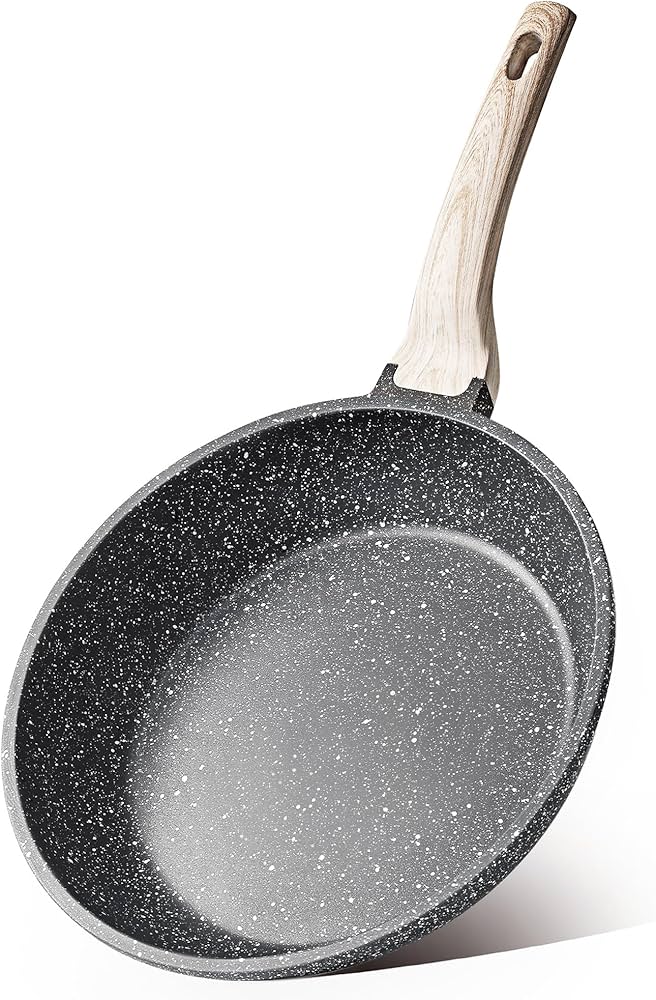
Other Healthy Options: Seasoned Cast Iron and Stainless Steel
While not traditionally categorized as “non-stick” in the same vein as coated pans, seasoned cast iron and high-quality stainless steel can also offer healthy cooking benefits. A well-seasoned cast iron pan develops a natural, chemical-free non-stick surface over time, and it even leaches small amounts of dietary iron into food, which can be a plus. Stainless steel, while requiring more oil for non-stick properties, is incredibly durable and non-reactive, making it a healthy and long-lasting choice. These options represent a different approach to healthy cooking, focusing on inherent material properties rather than applied coatings.
Navigating the Market: Top Contenders for Healthy Non-Stick Pans
The market for the best healthy non-stick pan is vibrant, with several brands leading the charge in offering innovative and chemical-free options. While specific models and prices fluctuate, understanding the key players and their philosophies can guide your choice.
Many reputable brands focus on ceramic non-stick technology, often featuring aluminum cores for even heat distribution. Brands like GreenPan offer a wide range of collections, known for their Thermolon ceramic coatings that are free of PFAS, PFOA, lead, and cadmium. Caraway is another prominent name, recognized for its aesthetically pleasing designs and ceramic-coated cookware also free from these undesirable chemicals. Our Place has gained popularity with its versatile Always Pan, which similarly boasts a non-toxic ceramic non-stick coating. These brands consistently emphasize health, durability (within the context of ceramic coatings), and ease of use, making them excellent starting points for your research into healthy non-stick options. When evaluating, consider not just the non-stick claim but also the specific certifications and what harmful substances the brand explicitly states their products are free from.
Mastering Your Healthy Non-Stick Pan: Use and Care for Longevity
Investing in a healthy non-stick pan is just the first step; proper use and care are paramount to maintaining its performance and ensuring its longevity. Think of it as a partnership: treat your pan well, and it will serve you with delicious, easy-to-clean meals for years to come.
Gentle Heat Is Your Friend
Unlike traditional non-stick pans that could withstand higher temperatures, most healthy non-stick pans, especially ceramic ones, perform best on medium to low heat. High heat can degrade the non-stick coating over time, reducing its effectiveness and potentially shortening the life of your pan. Always preheat your pan gradually.
The Right Tools: Say No to Metal
Metal utensils are the archenemy of any non-stick surface. They can scratch, chip, and ultimately ruin the coating. Stick to silicone, wood, or heat-resistant plastic utensils to keep your pan’s surface pristine.
Cleaning Made Easy (and Safe)
- Let it Cool: Always allow your pan to cool completely before washing it. Sudden temperature changes can cause warping or damage to the non-stick coating.
- Gentle Hand Wash: Hand washing with warm, soapy water and a soft sponge or cloth is almost always recommended. Avoid abrasive scrubbers, steel wool, or harsh detergents.
- Minimal Effort: For most dishes, food will simply glide off, requiring only a quick wipe down. If anything sticks, a short soak in warm, soapy water should loosen it.
- Dry Thoroughly: Ensure your pan is completely dry before storing to prevent water spots or potential residue buildup.
By following these simple guidelines, you can significantly extend the life of your healthy non-stick pan and continue to enjoy its benefits.
Benefits and Health Considerations: Why Your Choice Matters
Choosing the best healthy non-stick pan is more than just a culinary preference; it’s a decision that impacts your health, your cooking habits, and even the environment.
Cooking with Less Oil (and Calories!)
One of the most immediate benefits of a good non-stick pan is the ability to cook with significantly less oil or butter. This isn’t just a win for easier cleanup; it contributes to healthier meals by reducing overall fat intake without sacrificing flavor or texture. For those mindful of calorie intake or simply striving for lighter dishes, a healthy non-stick pan is an invaluable asset.
Avoiding “Forever Chemicals”
The primary health motivation for switching to a healthy non-stick pan is the desire to avoid PFAS, PFOA, and PTFE. While extensive research continues, the precautionary principle suggests that minimizing exposure to these persistent chemicals, often dubbed “forever chemicals” due to their environmental longevity, is a prudent choice. Opting for pans explicitly labeled as free from these substances ensures that your cooking environment supports a cleaner, healthier lifestyle.
What about Durability?
A common question surrounding healthy non-stick pans, particularly ceramic ones, is their durability compared to older PTFE-based coatings. While advancements have been made, ceramic non-stick surfaces can still be more susceptible to wear and tear if not cared for properly. However, with the right techniques—using gentle heat, appropriate utensils, and careful cleaning—these pans can offer excellent performance for a considerable period, often making the trade-off for health benefits well worth it. Many users find the ease of use and peace of mind outweigh the need for slightly more careful handling.
What to Cook (and What Not To): Maximizing Your Pan’s Potential
Understanding what dishes are best suited for your healthy non-stick pan can help you get the most out of it and prolong its life.
Ideal Dishes for Non-Stick
- Eggs, Glorious Eggs: Scrambled, fried, omelets – eggs are the quintessential non-stick dish. They slide off effortlessly, ensuring perfect presentation every time.
- Delicate Fish: Fillets of sole, cod, or tilapia, which often stick to other surfaces, cook beautifully in a non-stick pan with minimal risk of breaking apart.
- Pancakes and Crepes: Achieving that golden-brown finish and easy flip is a breeze.
- Stir-Fries and Sautéed Vegetables: The even heat distribution and slick surface make quick work of these dishes, requiring less oil.
- Grilled Cheese and Quesadillas: Get a perfectly crispy exterior without any sticking.
When to Reach for Other Cookware
While versatile, a healthy non-stick pan isn’t always the best tool for every culinary task.
- High-Heat Searing: For achieving a deep, crusty sear on steaks or chops, a cast iron or stainless steel pan is generally preferred. The high heat required can damage non-stick coatings.
- Deglazing and Pan Sauces: The fond (the browned bits that stick to the bottom of the pan) created in stainless steel or cast iron is crucial for building rich pan sauces. Non-stick pans prevent this buildup.
- Baking and Roasting: While some non-stick baking sheets exist, for general oven use, ceramic or metal baking dishes are more appropriate.
Knowing these distinctions helps you use your healthy non-stick pan efficiently and effectively, reserving it for its strengths.
Frequently Asked Questions
Are all ceramic pans truly non-toxic?
Most modern ceramic non-stick pans are marketed as free from PFAS, PFOA, lead, and cadmium, making them a generally healthier alternative. However, it’s always wise to check manufacturer specifications and certifications to confirm their specific claims about chemical-free status.
How long do healthy non-stick pans typically last?
The lifespan of a healthy non-stick pan, especially ceramic-coated ones, largely depends on usage and care. With proper handling—using low-to-medium heat, silicone utensils, and gentle hand washing—they can last for several years. Extreme heat or abrasive cleaning can significantly shorten their life.
Can I use olive oil in my healthy non-stick pan?
Yes, you can use olive oil. However, for cooking at higher temperatures, extra virgin olive oil has a lower smoke point. For best results and to preserve your pan’s coating, use oils with higher smoke points like avocado oil, grapeseed oil, or refined olive oil, especially when cooking with medium heat.
What are PFAS, PFOA, and PTFE, and why should I avoid them?
PFAS (per- and polyfluoroalkyl substances) are a family of synthetic chemicals, including PFOA (perfluorooctanoic acid) and PTFE (polytetrafluoroethylene), often used in traditional non-stick coatings. PFOA has been linked to potential health concerns, and many brands now avoid using it. The broader class of PFAS is considered “forever chemicals” due to their persistence in the environment and potential health impacts, making their avoidance a growing preference for many health-conscious consumers.
How can I tell if my old non-stick pan is safe to use?
If your old non-stick pan is heavily scratched, peeling, or flaking, it’s generally recommended to replace it. While the health risks of ingesting small flakes of non-stick coating are considered low by some, it indicates the pan’s non-stick properties are compromised, and the potential for exposure to underlying materials increases.
Is it worth investing in expensive healthy non-stick pans?
Higher-priced healthy non-stick pans often feature more durable coatings, better construction, and superior heat distribution, which can translate to a better cooking experience and potentially longer lifespan. While budget-friendly options exist, investing in a quality pan from a reputable brand can offer better long-term value and peace of mind.
Conclusion
Choosing the best healthy non-stick pan is a crucial step towards a healthier and more enjoyable cooking experience. By understanding the materials, embracing proper care, and selecting reputable brands, you can equip your kitchen with tools that not only make cooking easier but also align with your wellness goals. At ADB Review, we champion informed choices, and we hope this guide empowers you to confidently select a non-stick pan that you’ll love for its performance, health benefits, and peace of mind. Here’s to countless healthy meals ahead!