Alright, let’s talk frying pans. For anyone who loves to cook, whether you’re whipping up a quick omelet or searing a gourmet steak, the pan you choose makes a world of difference. It’s not just about what you’re cooking; it’s about what you’re cooking in. The best frying pan material isn’t a one-size-fits-all answer, and trust me, as someone who’s spent countless hours in the kitchen, I’ve got strong opinions on this. Your frying pan is an extension of your culinary ambition, a trusty sidekick in countless kitchen adventures. But with so many options out there – from gleaming stainless steel to rugged cast iron – how do you pick the right one?
At ADB Review, we believe an informed choice leads to better cooking and happier kitchens. Let’s peel back the layers and uncover the secrets behind each popular frying pan material, helping you pinpoint the one that perfectly aligns with your cooking style and needs.
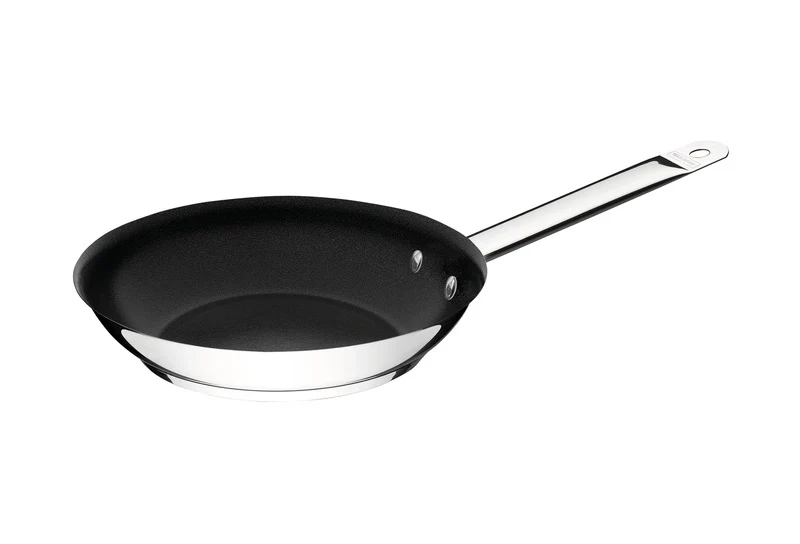
Understanding the Core Contenders: A Deep Dive into Frying Pan Materials
The heart of any frying pan lies in its material. Each one brings its own set of strengths and weaknesses to the stovetop. Understanding these nuances is crucial for making an educated decision.
Stainless Steel: The Versatile Workhorse
Stainless steel is arguably the most common material you’ll find in professional and home kitchens alike, and for good reason. It’s the ultimate jack-of-all-trades.
- What’s great about it? Stainless steel pans are durable, resistant to rust and corrosion, and non-reactive, meaning you can cook acidic ingredients like tomatoes or wine sauces without worrying about the pan leaching metals into your food or altering its flavor. Good quality stainless steel pans, especially those with an aluminum or copper core (often called “clad” construction), offer fantastic heat distribution and control. They’re also relatively lightweight and easy to maneuver.
- Any downsides? The primary complaint is that food can stick, particularly if you don’t use enough oil or preheat the pan properly. It’s not inherently nonstick, so it requires a bit more technique than coated pans.
- Best for: Sautéing vegetables, browning meats, making pan sauces, and any dish where precise temperature control and even cooking are key. It’s also a champion for deglazing and building flavor.
Cast Iron: The Enduring Classic
Few materials evoke the same sense of tradition and robustness as cast iron. These pans are often passed down through generations, becoming better with age.
- What’s great about it? Cast iron boasts incredible heat retention and even heat distribution once it’s up to temperature, making it ideal for high-heat searing and achieving a beautiful crust on foods. With proper seasoning, it develops a natural nonstick surface that improves over time. Some studies even suggest it can subtly add a small amount of dietary iron to your food, which is a nice bonus. They are also incredibly durable and can last a lifetime, often going from stovetop to oven with ease.
- Any downsides? They are heavy, which can be a drawback for some cooks. Cast iron is reactive, so cooking acidic foods for prolonged periods can strip the seasoning and impart a metallic taste. They also require specific care: hand washing, immediate drying, and regular re-seasoning to prevent rust.
- Best for: Searing steaks, frying chicken, baking cornbread, roasting vegetables, and any recipe that benefits from sustained, intense heat. If you’re looking for the best frying pan material for high-heat tasks, cast iron is a prime candidate.
|
Our Picks for the Best Nonstick Frying Pan in 2026
As an Amazon Associate I earn from qualifying purchases.
|
||
| Num | Product | Action |
|---|---|---|
| 1 | Bionic Turtle Design Nonstick Ceramic Frying Pan (2.5 qt, 10.3\"), Non Toxic,PFAS & PFOA Free, Dishwasher Safe, Compatible with All Stovetops, Durable Cookware for Home Cooking |

|
| 2 | Amazon Basics Non Stick Kitchen Cookware 8-Piece Set, Non-Induction, Includes Pots and Pans, Black |
|
| 3 | Tramontina Professional 10-Inch Non Stick Frying Pan, Heavy-Gauge Aluminum Skillet with Reinforced Nonstick Coating, Red Handle, Dishwasher and Oven Safe |
|
| 4 | Starfrit The Rock 2-PC 9.5\" (24cm) and 8\" (20cm) Non-Stick Fry Pans - Durable Forged Aluminum - Oven Safe - PFOA Free - Easy to Clean - Black |
|
| 5 | SENSARTE Nonstick Frying Pan Skillet with Lid, 12 Inch Large Deep Frying Pan, 5 Qt Non Stick Saute Pan with Cover, Induction Pan, Healthy Non Toxic Cooking Pan with Helper Handle, PFOA PFOS Free |
|
| 6 | SENSARTE Nonstick Frying Pan Skillet, Swiss Granite Coating Omelette Pan, Healthy Stone Cookware Chef\'s Pan, PFOA Free (8/9.5/10/11/12.5 Inch) (9.5 Inch) |
|
| 7 | Amazon Basics Ceramic Nonstick Pots and Pans Cookware Set, Dishwasher & Oven Safe, Even Heating, 10-Piece Set, Copper Color |
|
| 8 | Tramontina Professional 12-Inch Non Stick Large Frying Pan, Heavy-Gauge Aluminum Skillet with Reinforced Nonstick Coating, Red Handle, Dishwasher and Oven Safe |
|
| 9 | Amazon Basics Non Stick Kitchen Cookware 15-Piece Set, Non-Induction, Includes Pots, Pans, and Utensils, Black |
|
| 10 | CAROTE Nonstick Frying Pan Skillet,Non Stick Granite Fry Pan Egg Pan Omelet Pans, Stone Cookware Chef\'s Pan, PFOA Free,Induction Compatible(Classic Granite, 8-Inch) |
|
Nonstick Pans (PTFE-based and Ceramic): For Effortless Cooking
When convenience and easy cleanup are your top priorities, nonstick pans step into the spotlight.
- What’s great about it? The obvious answer: nothing sticks! This makes them fantastic for cooking delicate foods like eggs and fish, as well as for low-fat cooking since you need minimal oil. Cleaning up is usually a breeze. Modern nonstick coatings are often PFOA-free, addressing past health concerns. Ceramic nonstick options are also gaining popularity for their “toxin-free” claims.
- Any downsides? Nonstick coatings, especially traditional PTFE (Teflon), are generally less durable than other materials and can scratch or degrade over time with high heat or abrasive utensils. Their lifespan is typically shorter than cast iron or stainless steel. Ceramic nonstick pans, while initially very slick, can lose their nonstick properties faster than PTFE if not cared for meticulously, and some lower-quality ceramic pans may have issues with heat distribution.
- Best for: Eggs (scrambled, fried, omelets), pancakes, fish, crepes, and any dish where sticking is a major concern.
Carbon Steel: The Chef’s Secret Weapon
Often considered a hybrid of cast iron and stainless steel, carbon steel offers the best of both worlds for many culinary enthusiasts.
- What’s great about it? Carbon steel heats up quickly and is very responsive to temperature changes, like stainless steel, but it also develops a fantastic natural nonstick seasoning similar to cast iron. It’s significantly lighter than cast iron, making it easier to handle, especially for tasks like tossing ingredients. It’s incredibly durable and can withstand high temperatures.
- Any downsides? Like cast iron, it requires seasoning and careful maintenance to prevent rust and maintain its nonstick properties. It is also reactive with acidic foods.
- Best for: Searing, stir-frying, sautéing, and any cooking style where you need both responsiveness and a good sear. Many professional chefs consider carbon steel the best frying pan material for achieving restaurant-quality results.
Copper: The Responsive Beauty
Copper pans are undeniably beautiful and often seen in gourmet kitchens, prized for their exceptional performance.
- What’s great about it? Copper is the king of heat conductivity. It heats up almost instantly and, critically, cools down rapidly when removed from the heat. This responsiveness gives cooks unparalleled control over temperature, making it ideal for delicate tasks. Modern copper pans are typically lined with stainless steel to prevent reactivity.
- Any downsides? They are often the most expensive option. Copper is a soft metal, so it can dent more easily than other materials, and it requires polishing to maintain its shiny appearance. If unlined, it’s highly reactive and not suitable for acidic foods.
- Best for: Preparing delicate sauces, making caramel, tempering chocolate, or any situation where precise and immediate temperature adjustments are paramount.
Hard-Anodized Aluminum: The Everyday Performer
Aluminum itself is a great heat conductor, but it’s soft and reactive. Hard anodizing transforms aluminum into a robust, non-reactive material.
- What’s great about it? Hard-anodized aluminum pans are durable, scratch-resistant, and non-reactive. They heat quickly and evenly, making them excellent for everyday cooking. Many also feature a nonstick coating on top of the anodized surface, combining durability with ease of use.
- Any downsides? While durable, it’s not as heavy-duty as cast iron or stainless steel. The heat retention isn’t as good as cast iron.
- Best for: General-purpose frying, sautéing, and everyday cooking, especially if you want a pan that’s relatively lightweight and easy to maintain.
|
Our Picks for the Best Nonstick Frying Pan in 2026
As an Amazon Associate I earn from qualifying purchases.
|
||
| Num | Product | Action |
|---|---|---|
| 1 | Tramontina Professional 10-Inch Non Stick Frying Pan, Heavy-Gauge Aluminum Skillet with Reinforced Nonstick Coating, Red Handle, Dishwasher and Oven Safe |
|
| 2 | CAROTE Nonstick Frying Pan Skillet,Non Stick Granite Fry Pan Egg Pan Omelet Pans, Stone Cookware Chef\'s Pan, PFOA Free,Induction Compatible(Classic Granite, 8-Inch) |
|
| 3 | Tramontina Professional 12-Inch Non Stick Large Frying Pan, Heavy-Gauge Aluminum Skillet with Reinforced Nonstick Coating, Red Handle, Dishwasher and Oven Safe |
|
| 4 | Bionic Turtle Design Nonstick Ceramic Frying Pan (2.5 qt, 10.3\"), Non Toxic,PFAS & PFOA Free, Dishwasher Safe, Compatible with All Stovetops, Durable Cookware for Home Cooking |
|
| 5 | SENSARTE Nonstick Frying Pan Skillet with Lid, 12 Inch Large Deep Frying Pan, 5 Qt Non Stick Saute Pan with Cover, Induction Pan, Healthy Non Toxic Cooking Pan with Helper Handle, PFOA PFOS Free |
|
| 6 | Amazon Basics Ceramic Nonstick Pots and Pans Cookware Set, Dishwasher & Oven Safe, Even Heating, 10-Piece Set, Copper Color |
|
| 7 | Starfrit The Rock 2-PC 9.5\" (24cm) and 8\" (20cm) Non-Stick Fry Pans - Durable Forged Aluminum - Oven Safe - PFOA Free - Easy to Clean - Black |
|
| 8 | SENSARTE Nonstick Frying Pan Skillet, Swiss Granite Coating Omelette Pan, Healthy Stone Cookware Chef\'s Pan, PFOA Free (8/9.5/10/11/12.5 Inch) (9.5 Inch) |
|
| 9 | Amazon Basics Non Stick Kitchen Cookware 8-Piece Set, Non-Induction, Includes Pots and Pans, Black |
|
| 10 | Amazon Basics Non Stick Kitchen Cookware 15-Piece Set, Non-Induction, Includes Pots, Pans, and Utensils, Black |
|
Beyond the Material: Key Factors to Consider When Choosing Your Frying Pan
Deciding on the best frying pan material isn’t just about the metal itself. Several other factors play a crucial role in how a pan performs in your kitchen.
Heat Conductivity & Retention
- Conductivity refers to how quickly a pan heats up and responds to temperature changes. Copper and aluminum excel here.
- Retention is how well a pan holds onto heat once it’s hot. Cast iron is the undisputed champion, followed closely by carbon steel. Stainless steel, especially multi-clad, offers a good balance.
Durability & Longevity
If you’re investing in a pan, you want it to last. Cast iron, carbon steel, and good quality stainless steel can last for decades, even a lifetime, with proper care. Nonstick coatings, by their nature, have a finite lifespan.
Nonstick Properties (Natural vs. Coated)
Do you need absolute nonstick perfection for eggs, or are you happy to build a natural seasoning over time? Coated nonstick pans offer immediate stick-free cooking, while seasoned cast iron and carbon steel develop their own over time.
Maintenance & Care Requirements
Are you willing to hand wash, dry immediately, and season a pan, or do you prefer the convenience of a dishwasher-safe option? Cast iron and carbon steel require more attention, while stainless steel is generally low maintenance.
Health & Safety
Modern cookware standards have largely addressed concerns like PFOA in nonstick coatings. Look for “PFOA-free” labels on nonstick pans. Non-reactive materials like stainless steel and anodized aluminum are good for all types of food, while cast iron and carbon steel need careful handling with acidic ingredients.
Stovetop Compatibility
Most materials work on gas and electric stovetops. If you have an induction cooktop, ensure your pan is magnetic. Cast iron, carbon steel, and magnetic stainless steel are compatible, while pure aluminum or copper may not be unless specifically designed with an induction-compatible base.
Cooking Style & Preferences
Your cooking habits are perhaps the biggest determinant. Do you mostly fry eggs and fish? A nonstick pan might be your ideal. Love searing steaks and making pan sauces? Stainless steel, cast iron, or carbon steel will be your allies.
Expert Insight: Navigating Your Kitchen Cookware Choices
“Choosing the right frying pan material is like selecting the perfect tool for a specific job,” says Chef Eleanor Vance, a culinary consultant with over two decades of experience in professional kitchens. “There’s no single ‘best’ pan for every dish. A great chef understands the properties of each material and uses them to their advantage. For delicate items, an effective nonstick is key, but for building incredible depth of flavor in a reduction or achieving a phenomenal crust, you simply can’t beat the heat capabilities of cast iron or carbon steel. It’s about building a versatile arsenal in your kitchen.”
Making the “Best” Choice for You: It’s All About Your Cooking Journey
So, what is the best frying pan material? It truly depends on you. If you’re a beginner looking for ease of use, a good quality nonstick pan might be your starting point. If you’re passionate about searing and don’t mind a little extra maintenance, cast iron or carbon steel could be your soulmate. For the versatile home cook who wants one pan for almost everything, a high-quality stainless steel pan is an indispensable asset.
Ultimately, the goal is to equip your kitchen with tools that empower your cooking. Don’t be afraid to have a variety of pans, each chosen for its unique strengths.
Frequently Asked Questions
What is the healthiest material for frying pans?
Many experts consider ceramic and stainless steel among the healthiest materials for frying pans due to their non-reactive properties and lack of harmful coatings. Cast iron is also a safe choice and can even add iron to your food, but it requires proper seasoning and care.
Which frying pan material is best for high heat searing?
Cast iron and carbon steel are generally considered the best frying pan material for high heat searing. They excel at retaining and distributing heat, allowing you to achieve a deep, even crust on meats and vegetables.
How do I care for a cast iron frying pan?
To care for a cast iron pan, hand wash it with mild soap (or just hot water) and a stiff brush, then immediately dry it thoroughly on the stovetop over low heat. Once dry, apply a very thin layer of cooking oil to the entire surface to maintain its seasoning and prevent rust.
Are ceramic nonstick pans truly safe?
Yes, modern ceramic nonstick pans are generally considered safe as they are free from PTFE and PFOA. They offer a non-toxic, non-stick cooking surface, making them a healthy choice for frying.
Can I use any frying pan on an induction cooktop?
No, only frying pans made of magnetic materials will work on an induction cooktop. This includes cast iron, carbon steel, and most stainless steel pans. Aluminum or copper pans will only work if they have an integrated magnetic base.
What’s the difference between carbon steel and cast iron?
Carbon steel pans are typically lighter and heat up and cool down faster than cast iron. While both develop a natural nonstick seasoning, carbon steel often has a smoother surface, which can result in slightly better nonstick properties when perfectly seasoned.
How long do nonstick frying pans typically last?
The lifespan of a nonstick frying pan varies greatly depending on its quality and how it’s cared for, but typically ranges from 1 to 5 years. Over time, the nonstick coating can degrade, scratch, or lose its effectiveness, requiring replacement.
Conclusion
Choosing the best frying pan material is a journey unique to every home cook. Whether you gravitate towards the robust reliability of cast iron, the versatile elegance of stainless steel, or the effortless convenience of nonstick, understanding what each material brings to your cooking is key. At ADB Review, we champion the belief that your kitchen tools should inspire joy and culinary confidence. Experiment, explore, and discover the pan that feels like a natural extension of your hand – your taste buds will thank you. Now, go forth and fry!