Ever found yourself in a kitchen conundrum, staring down a delicate omelet or a batch of fluffy pancakes, hoping they won’t cling stubbornly to your pan? You’re not alone. That’s where the unsung hero of countless kitchens steps in: the 10-inch non-stick frying pan. It’s not just a piece of cookware; it’s a culinary enabler, making everything from a quick weeknight stir-fry to a lazy Sunday brunch a breeze. At ADB Review, we believe in empowering you with the knowledge to make informed decisions about your kitchen arsenal, and today, we’re diving deep into the world of this essential pan.
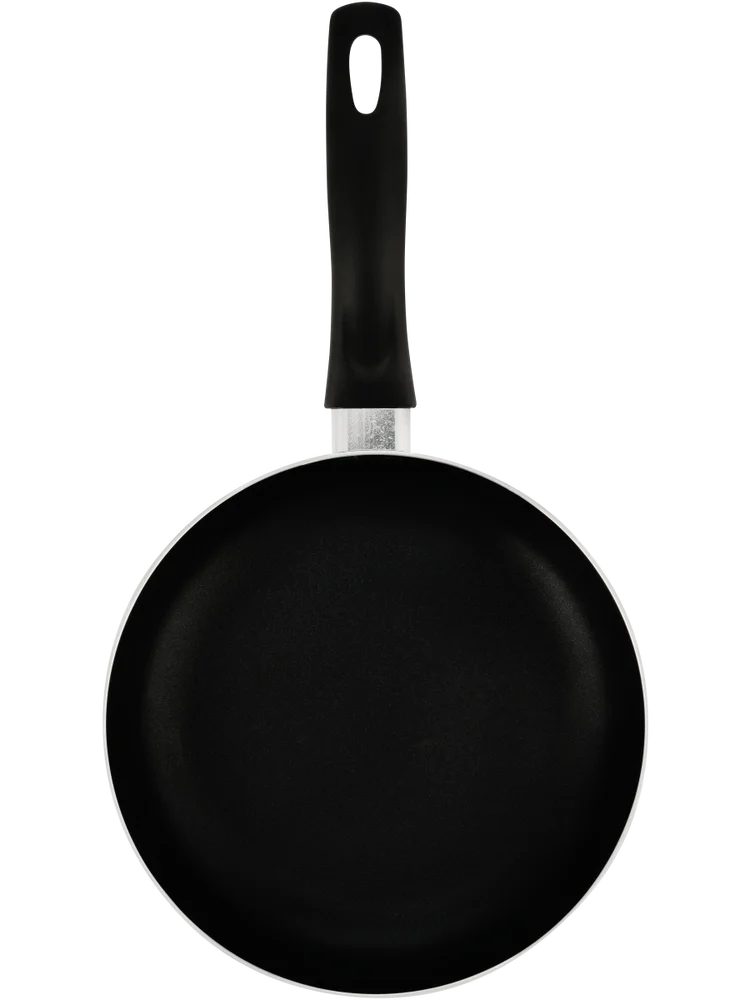
The Enduring Appeal of the 10-Inch Non-Stick Frying Pan
So, what makes the 10-inch non-stick frying pan such a beloved staple? It’s all about versatility. This size hits the sweet spot for a huge range of cooking tasks. It’s big enough to handle two or three servings of many dishes, perfect for a couple or a small family. Imagine whipping up a generous frittata, sautéing a medley of vegetables for dinner, or flawlessly flipping a couple of pancakes. It’s also often just the right size for a single large steak or a few chicken breasts, ensuring even cooking without overcrowding the pan. For those delicate items that demand a surface that simply won’t cling, like eggs or fish fillets, a quality non-stick pan is indispensable. The magic truly lies in its ability to let food glide effortlessly, transforming cooking from a chore into a joy.
Decoding Non-Stick: Materials and Construction
Understanding what makes a non-stick pan, well, non-stick, is key to choosing the right one and ensuring its longevity. The core of this technology lies in the coating.
PTFE (Teflon) Coatings: The Original Slipperiness
When most people think “non-stick,” they think “Teflon.” This popular coating, made from polytetrafluoroethylene (PTFE), offers exceptional food release. It creates a super slick surface that dramatically reduces friction, meaning your food practically dances out of the pan. Modern PTFE coatings are manufactured without PFOA (perfluorooctanoic acid), a chemical that raised health concerns in the past. However, it’s worth noting that PTFE itself belongs to a broader group of chemicals called PFAS (per- and polyfluoroalkyl substances). While extensively studied and generally considered safe for cookware when used correctly (avoiding extreme overheating), many consumers are now seeking alternatives.
Ceramic Coatings: The “Greener” Alternative
Ceramic non-stick pans have emerged as a popular choice for those looking for a PTFE, PFOA, and PFAS-free option. These coatings are typically made from silica-gel and offer a naturally derived, mineral-based cooking surface. When new, ceramic pans often boast fantastic food release and heat up quickly. They’re also often quite attractive, coming in a variety of colors. However, some users find that ceramic coatings, while initially excellent, may lose their non-stick properties a bit faster than traditional PTFE coatings, especially with improper care. They generally prefer lower to medium heat.
Hybrid & Other Coatings: The Best of Both Worlds?
Innovation in non-stick technology doesn’t stop there. You’ll find hybrid pans, for example, that combine a non-stick surface with durable materials like stainless steel. Brands like HexClad or Anolon X aim to offer the best of both worlds: the easy release of non-stick with the searing capabilities and durability typically associated with stainless steel. These often feature raised patterns or grids that protect the non-stick coating while allowing for better browning.
Beyond the coating, the pan’s body material also plays a crucial role. Most non-stick pans feature a base of aluminum or hard-anodized aluminum because these materials are excellent heat conductors, ensuring your pan heats up quickly and evenly. Some higher-end pans incorporate stainless steel layers for added durability and compatibility with induction cooktops.
Choosing Your Kitchen Companion: What to Look for in a 10-Inch Non-Stick Pan
Selecting the perfect 10-inch non-stick frying pan feels a bit like picking a new teammate for your culinary adventures. Here’s what to consider:
1. Your Culinary Needs: Are you primarily making delicate eggs and pancakes, or do you also want to sauté vegetables and lightly sear proteins? For everyday, gentle cooking, most good non-stick pans will suffice. If you lean towards slightly more robust tasks, a hybrid pan or a pan with a particularly durable coating might be a better fit.
2. Heat Distribution and Responsiveness: Nobody wants hot spots that burn one side of your food while the other remains undercooked. Look for pans made with thick, even-heating aluminum or those with a multi-clad construction that includes stainless steel. Good heat distribution means consistent results every time.
3. Handle Comfort and Oven Safety: A comfortable, ergonomic handle is crucial, especially when maneuvering a hot pan. Many pans also offer oven-safe capabilities, extending their utility from stovetop to oven for finishing dishes like frittatas or cornbread. Always check the maximum oven-safe temperature. “My favorite 10-inch non-stick pan feels like an extension of my arm,” says Chef Antoine Dubois, a culinary consultant. “A well-designed handle makes all the difference when I’m flipping pancakes or transferring a dish to the oven.”
4. Induction Compatibility: If you have an induction cooktop, ensure the pan explicitly states it’s induction compatible. This usually means it has a magnetic base, often stainless steel.
5. Durability vs. Cost: Let’s be real: non-stick pans are not heirloom pieces. Their coatings, while resilient, will eventually degrade. Investing in a quality pan from a reputable brand will give you better performance and a longer lifespan, but even the best will eventually need replacing. Balance your budget with your expected frequency of use.
The Art of Longevity: Proper Use and Care for Your 10-Inch Non-Stick Frying Pan
A little TLC goes a long way in preserving your non-stick pan’s slick surface. Think of it as nurturing a delicate friendship – treat it well, and it’ll serve you faithfully for years.
1. Before First Use: Once you unbox your new pan, give it a quick wash with warm, soapy water. Many manufacturers also recommend “conditioning” the pan by rubbing a thin film of cooking oil over the entire cooking surface with a paper towel, then gently heating it for a minute, and letting it cool. This simple step helps kickstart its non-stick properties.
2. Heat Management is Key: This is perhaps the most critical rule. Non-stick coatings perform best under low to medium heat. High heat can cause the coating to break down prematurely, potentially releasing fumes and certainly diminishing its non-stick properties. Never preheat an empty non-stick pan on high heat, and always ensure there’s some food or liquid in it to absorb the heat. Avoid “thermal shock” – plunging a hot pan into cold water – as this can warp the pan and damage the coating.
3. Utensil Choice: Say no to metal. Metal spatulas, spoons, and whisks are the sworn enemies of non-stick surfaces. Opt for utensils made of wood, silicone, or nylon to prevent scratches and chips. Even a tiny scratch can compromise the coating and lead to food sticking.
4. Cleaning Rituals: Handwashing is your pan’s best friend. While some manufacturers claim “dishwasher safe,” the harsh detergents and high temperatures of dishwashers can be detrimental to non-stick coatings over time. A quick wash with warm, soapy water and a soft sponge is usually all it takes to get your non-stick pan sparkling clean. For stubborn residue, soak the pan in warm soapy water for a few minutes, then gently clean. Never use abrasive scrubbers or steel wool. “Proper cleaning habits can double the life of your non-stick pan,” notes cooking expert Dr. Lena Kim. “It’s a small effort with a big return.”
5. Storage Savvy: When storing your pans, especially if stacking them, use pan protectors (felt liners) or even a simple kitchen towel between them. This prevents accidental scratches from other cookware.
Unleashing Culinary Creativity: Best Dishes for Your 10-Inch Non-Stick Pan
The 10-inch non-stick frying pan truly shines when it comes to delicate foods where sticking is simply not an option. Here are some of its finest applications:
- Eggs, glorious eggs: From perfectly fried eggs with crisp whites and runny yolks to fluffy scrambled eggs and impressive omelets, this pan is your go-to.
- Pancakes and Crepes: They’ll slide right off, ready for a stack or a fold.
- Delicate Fish: Salmon, tilapia, cod – they all cook beautifully without fear of the skin tearing or the flesh sticking.
- Sautéed Vegetables: A quick sauté of greens, mushrooms, or bell peppers benefits from the even heat and easy stirring.
- Reheating Leftovers: Bring yesterday’s pasta or rice back to life without creating a sticky mess.
- Stir-fries: For smaller portions, a non-stick pan can handle a quick stir-fry, ensuring ingredients don’t cling.
Health & Safety: Dispelling Myths and Embracing Best Practices
The conversation around non-stick pans often includes health concerns, but with current manufacturing standards and proper usage, you can cook with confidence.
Are 10-inch non-stick pans safe for everyday cooking? Yes, absolutely. Modern non-stick pans, particularly those that are PFOA-free, are considered safe for daily use when following manufacturer instructions. The main concern arises from overheating, which can cause coatings to degrade and potentially release fumes.
What are PFOA and PFAS, and why do they matter? PFOA (perfluorooctanoic acid) was a processing aid used in the past to make PTFE but has been phased out due to health concerns. PFAS (per- and polyfluoroalkyl substances) is a broader category that includes PTFE. While the health impacts of long-term, low-level exposure to all PFAS are still being studied, many brands now offer PTFE-free or PFAS-free ceramic options for those who prefer to avoid them entirely.
How to ensure safe cooking? Always use your non-stick pan on low to medium heat, never leave an empty pan on a hot burner, and ensure good ventilation in your kitchen. If your pan’s coating is visibly peeling or heavily scratched, it’s time to replace it.
Frequently Asked Questions (FAQ)
Q: How often should I replace my 10-inch non-stick pan?
A: The lifespan varies greatly depending on usage and care. A good quality non-stick pan, with proper care, can last anywhere from 3 to 5 years. If the non-stick coating starts to visibly scratch, peel, or food begins to consistently stick, it’s time for a replacement.
Q: Can I put my non-stick pan in the dishwasher?
A: While some pans are labeled “dishwasher safe,” handwashing is almost always recommended to extend the life of the non-stick coating. Harsh dishwasher detergents and high heat can accelerate the wear and tear on the non-stick surface.
Q: What type of oil is best for non-stick pans?
A: For general cooking, oils with higher smoke points like vegetable oil, canola oil, grapeseed oil, or avocado oil are excellent choices. Avoid extra virgin olive oil for high-heat cooking in non-stick pans, as its low smoke point can lead to it burning and creating a sticky residue on the pan. Also, steer clear of cooking oil sprays, which can cause a stubborn buildup.
Q: How do I remove burnt-on food from my non-stick pan without damaging it?
A: For burnt-on food, avoid aggressive scrubbing. Instead, fill the pan with warm water and a few drops of dish soap, then let it soak for 15-20 minutes, or even overnight. This will usually loosen the residue, allowing you to gently wipe it away with a soft sponge. For tougher spots, a paste of baking soda and water can be gently rubbed on.
Q: Can I use my 10-inch non-stick pan on an induction cooktop?
A: It depends on the specific pan. Many modern non-stick pans are designed with an induction-compatible base (typically magnetic stainless steel). Always check the product specifications for induction compatibility before purchasing if you have an induction cooktop.
Conclusion
The 10-inch non-stick frying pan is more than just another item in your kitchen; it’s a tool that brings ease and efficiency to your daily cooking. From perfect eggs to delicate fish and effortless clean-up, its benefits are undeniable. By understanding the different coatings, knowing what to look for when buying, and committing to simple care routines, you can extend the life of your non-stick pan and enjoy its magic for years to come. At ADB Review, we encourage you to choose wisely, cook happily, and always aim for culinary excellence. Your kitchen adventures are waiting, and the right 10-inch non-stick frying pan is ready to be your most reliable companion.